

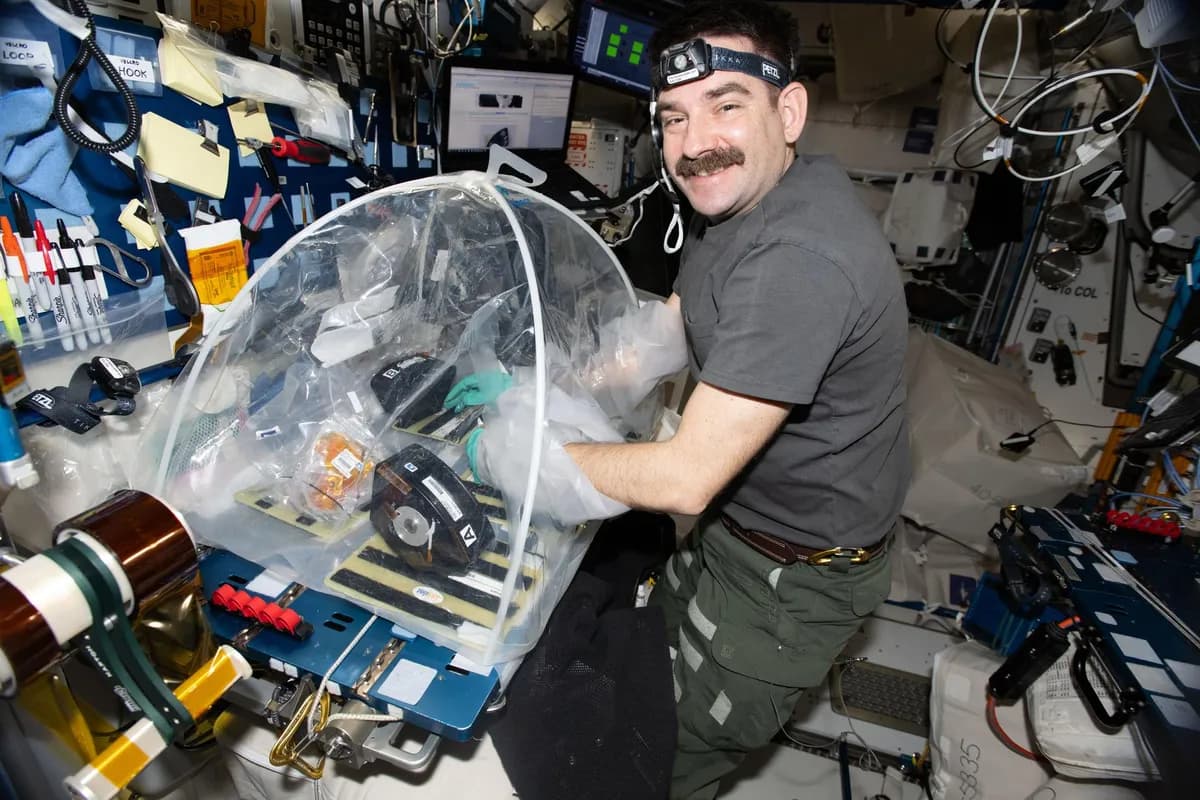
In space, bacteria tend to be more severe and have enhanced drug resistance, researchers said. Scientists are harnessing this enhanced severity to exaggerate effects on heart cells and reveal cellular responses difficult to detect on Earth. Pinpointing factors that make infections more severe in space could reveal treatment targets.
Streptococcus pneumoniae is the leading cause of community-acquired pneumonia, causing millions of deaths each year. More than a quarter of adults hospitalized for pneumonia develop heart disease, and survivors face increased heart disease risk even after the infection clears. Dr.
Palaniappan Sethu of the University of Alabama at Birmingham said that by exacerbating the infection, researchers anticipate clear separation between infection and control groups, making it easier to identify subtle factors that promote bacterial virulence. Dr. Carlos J.
Orihuela added that addressing these questions is essential for human health during long-duration space travel and sustainable habitation beyond Earth. The space station allows researchers to address complex health problems on Earth and in space.