

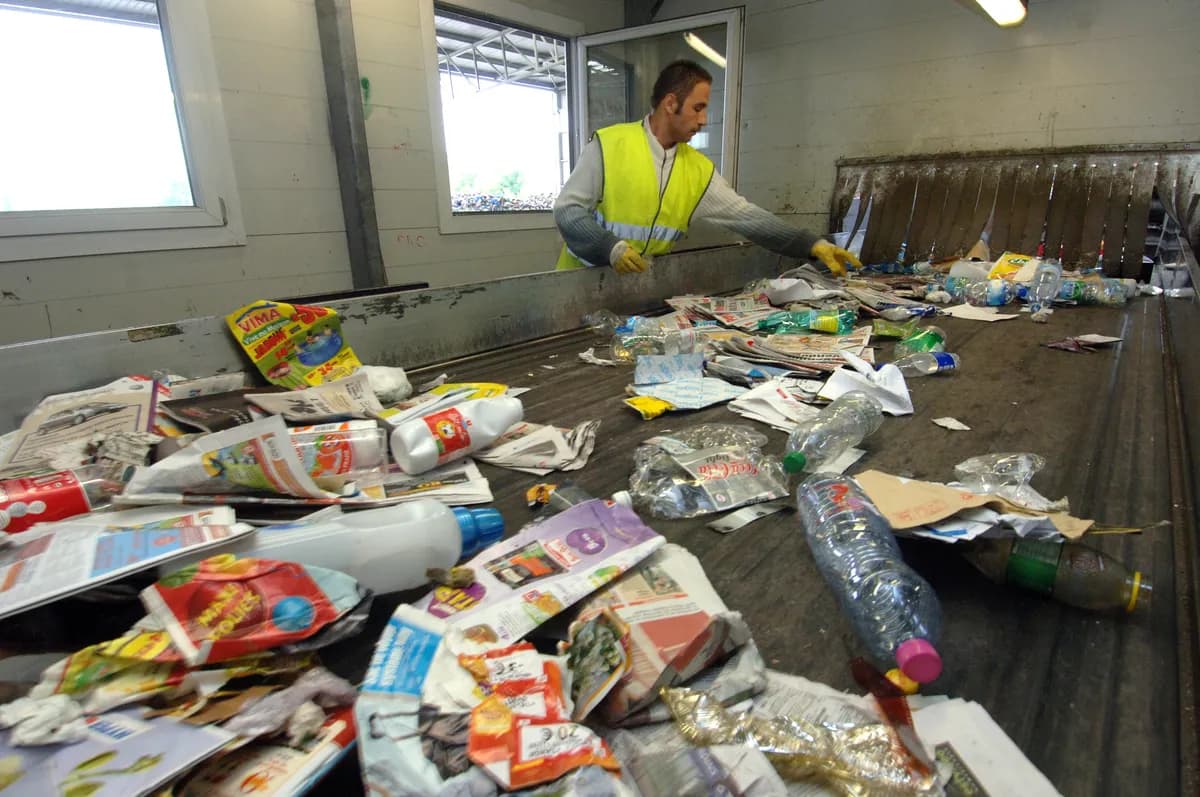
The UK Government's 'Simpler Recycling' initiative, which came into effect on March 31, aims to standardize waste collection and end the 'postcode lottery' of varying local rules. Under the new system, households in England are required to separate waste into up to four bins for food and garden waste, paper and card, dry recyclables, and residual waste. The Department for Environment, Food and Rural Affairs says these changes will allow citizens to recycle the same materials across England and end the inconsistent bin collections that have characterized previous systems. However, the rollout has been marred by confusion over start dates, with some sources indicating the rules are due to come into force from March 31, 2026, creating uncertainty about when changes actually apply.
Widespread delays in implementation are affecting councils across England, with many missing the March 31 deadline. According to the BBC, 79 English councils are not expecting to meet the March 31 deadline for implementing the new waste collection rules. These delays are extensive, with many councils facing postponements extending to 2026 or beyond. The scale of the problem is further highlighted by a discrepancy in reporting, as at least 71 local authorities told the BBC they will not be ready by the end of March 2026 for weekly food waste collections specifically. This numerical difference between 79 and at least 71 councils affects the perceived scale of implementation failures and may reflect different methodologies or timing in reporting by the BBC.
Specific regional delays are particularly evident in the West Midlands, where only Sandwell Council is ready to meet the March 31 deadline according to the BBC. Birmingham, Wolverhampton, Dudley, and Walsall councils will not start collections in time, with delays ranging from early April to autumn. Residents in Walsall will not be offered weekly food waste collections next month despite the government deadline. Walsall Council said future arrangements for the service will be confirmed later this year, leaving residents uncertain about when the new system will begin.
Financial and logistical challenges are primary causes behind the widespread delays in implementing the new waste collection systems. Shortages of specialist collection lorries and gaps in ongoing revenue funding are behind delays in implementing weekly food waste collections. Walsall Council's cabinet approved option one for food waste collection using caddies in April 2025 because it was cheaper, requiring additional revenue funding of £1.7 million. These financial constraints demonstrate how local authorities are balancing cost considerations against implementation timelines.
Government funding and transitional arrangements have been established to support councils through the implementation process. Defra allocated more than £340 million in capital grants to support the transition to weekly food waste collections. Thirty-one councils have secured formal agreements allowing for a later start date and will not be classed as missing the deadline. Environment minister Mary Creagh acknowledged that some local authorities had encountered difficulties in launching the service, but assured that government funding had been made available to assist them.
Extended delays and special exemptions have been granted to some councils, with North Yorkshire Council receiving particularly lengthy transitional relief. North Yorkshire Council has been granted transitional relief, allowing it to delay mandatory weekly food waste collections until 2043. This extraordinary 20-year exemption contrasts sharply with the government's stated timeline for universal implementation. Under Simpler Recycling regulations, Defra has said that every household in England will receive a weekly food waste collection from March 31, 2026, creating a significant gap between official claims and the reality on the ground where some areas like North Yorkshire have transitional relief until 2043.
Penalties for non-compliance include potential fines for residents who incorrectly sort their waste under the new system. Residents could face a £400 fine if they incorrectly place certain items in their bins under the new rules. The exact criteria for these fines and how enforcement will be carried out remain unclear, creating uncertainty for households navigating the new requirements.
Business compliance timelines differ from household requirements, with staggered deadlines based on company size. Businesses in England must comply with new recycling legislation by March 31, 2025 if they have 10 or more full-time equivalent employees, or by March 31, 2027 if they have fewer than 10 FTE employees. This phased approach gives smaller businesses additional time to adapt to the new requirements.
Political criticism has emerged alongside operational issues, with the Labour Party's recycling rules facing particular scrutiny. Labour's new recycling rules have been branded a 'joke' after thousands of bin collections were missed and refuse workers were seen on the job until 8pm. This criticism reflects public frustration with implementation problems that have disrupted regular waste collection services.
Key unknowns persist about enforcement mechanisms and the current implementation status across different regions. What specific common items will cause bins not to be collected if spotted in food waste from March 31 remains unclear for many residents. How many councils have actually started implementing the new four-bin system as of the current date has not been systematically reported. What specific funding gaps or vehicle shortages are causing the delays, and whether there are regional variations in these challenges, requires further investigation.
The implications of these delays for the postcode lottery goal are significant, as inconsistent implementation timelines may perpetuate rather than eliminate regional variations. The Department for Environment, Food and Rural Affairs says the changes will allow citizens to recycle the same materials across England and end the 'postcode lottery' of bin collections, but widespread delays undermine this objective. With councils implementing the new system at different paces over several years, residents will continue to face varying rules and schedules depending on their location. The gap between Defra's claim that every household will receive weekly food waste collections from March 31, 2026 and the reality of councils missing deadlines with delays extending to 2026 or beyond suggests the postcode lottery may persist longer than anticipated.