

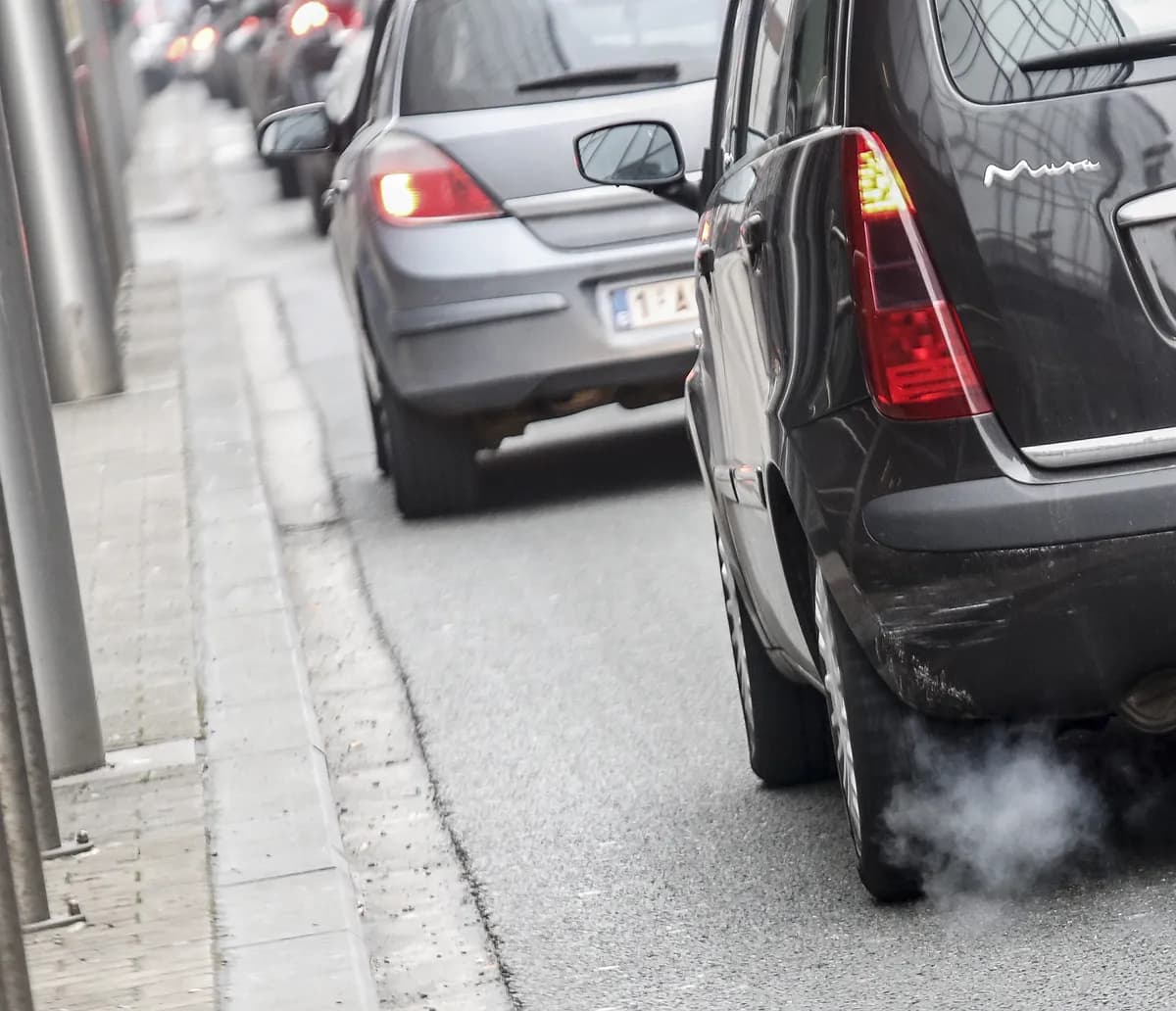
The pollutant is methylsiloxane, a specific type of silicone commonly used in industry, transportation, cosmetics, and household products. Over half the detected particles originated from traffic emissions, with the exact source likely engine oil, and a few years ago, researchers found that ships and vehicles emit large molecules of methylsiloxanes that do not evaporate. A team took air samples from various regions across the Netherlands, Lithuania, and Brazil, revealing high concentrations and human exposure.
9 nanograms per cubic meter reading in Rugsteliskis, Lithuania. Humans are likely continuously exposed to methylsiloxanes and inhale considerable amounts. According to Dr Rupert Holzinger, an associate professor at Utrecht University who co-supervised the study, the daily inhalation dose of methylsiloxanes may exceed that of other synthetic compounds, such as PFAS and micro- and nanoplastics.
The health impacts of methylsiloxanes remain unknown, and scientists have no idea what these pollutants do to human health. Large molecular methylsiloxanes may influence climate change, but how exactly they do so is unclear. Researchers highlight the need for comprehensive and timely research on methylsiloxanes in atmospheric particulate matter, given their potential implications for human health, climate change, and environmental sustainability.