

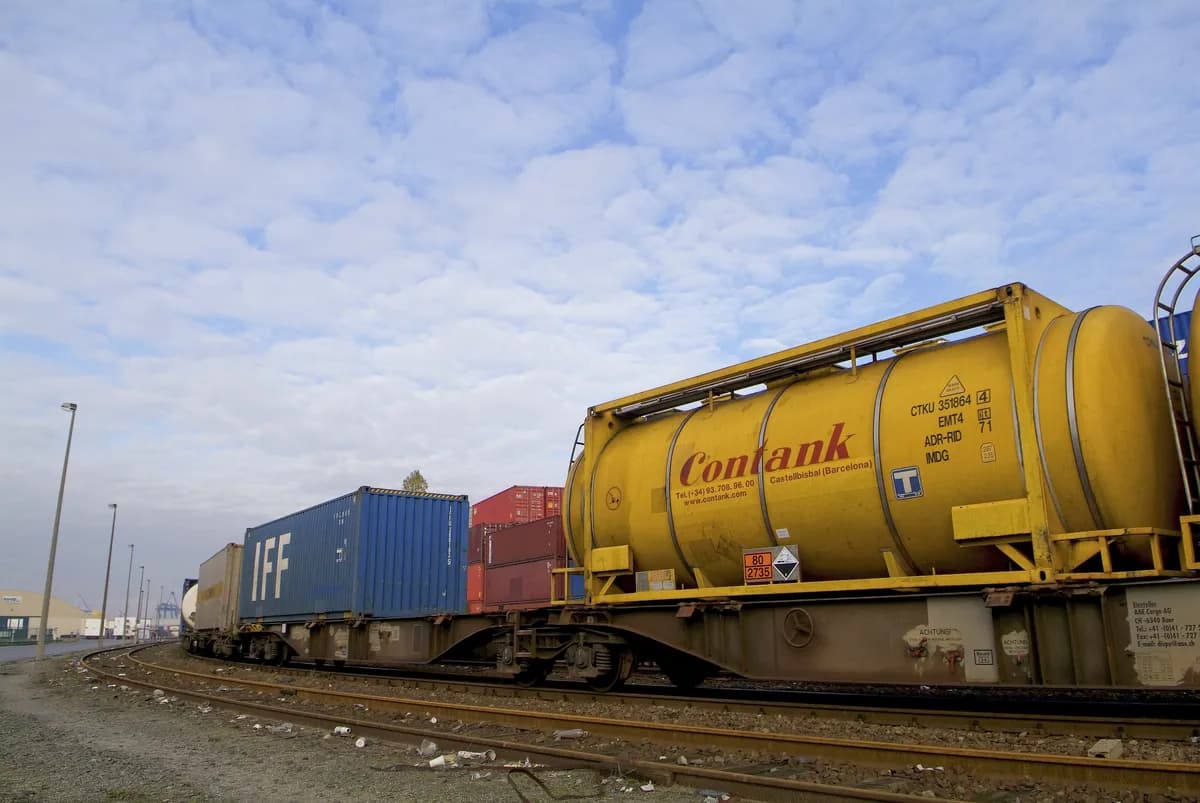
Train traffic along the Västerdalsbanan is decreasing as the timber giant in Fiskarheden switches its export from train to truck, according to official sources. The reason for the switch includes that plans for a new signaling system have been postponed to the future, with the replacement now moved to 2030. The sawmill is now switching to more truck transports, though the exact volume of this shift has not been disclosed. Another reason for reducing train transports is decreased demand for timber products, though the extent of this decline remains unclear.
Trafikverket, the Swedish Transport Administration, has been forced to make priorities, as stated by Anna Malmlund at Trafikverket, who said, 'We have been forced to make priorities.' The agency is working on a larger plan for the country's railways, but the specific priorities that led to the postponement of the signaling system replacement have not been detailed. A decision on Trafikverket's national plan and possible resources for a new signaling system is expected in the spring, though how this affects Västerdalsbanan is not yet known.
We have been forced to make priorities.
The sawmill industry in Fiskarheden believes the work is not progressing fast enough and has long wanted to see a replacement of the signaling system, but the exact reasons why the current system does not work for them have not been specified. Despite the shift, the sawmill still sees a future with transports on Västerdalsbanan. Joakim Limberg, CEO of the sawmill, emphasized this, saying, 'Västerdalsbanan is here to stay and is important for us to keep.'
Västerdalsbanan is here to stay and is important for us to keep.