

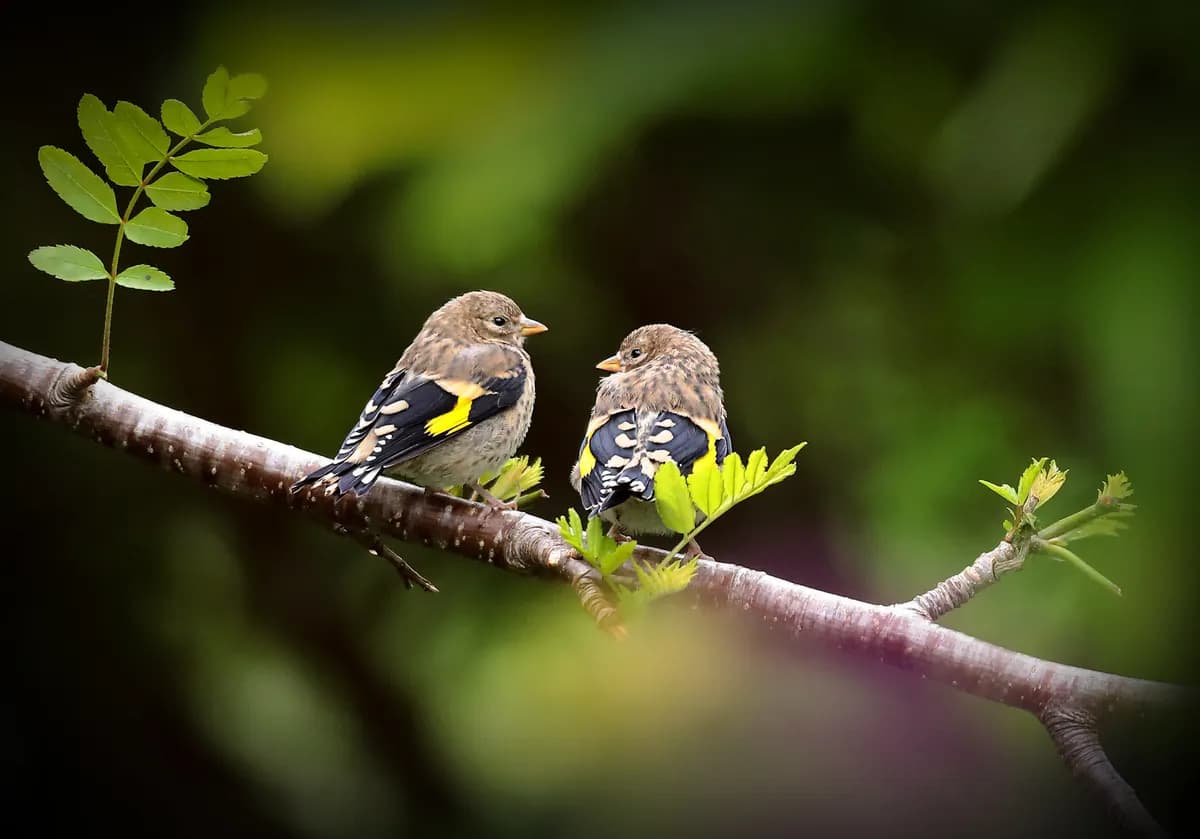
The RSPB advises people to take a break from feeding birds between 1 May and 31 October, promoting a 'feed seasonally, feed safely' approach to reduce disease transmission. According to the RSPB, small amounts of mealworms, fat balls, and suet can still be offered throughout the year, but the seasonal pause aims to protect birds' long-term health. Beccy Speight, chief executive of the RSPB, stated that feeding birds is something millions of people love and value, but science shows birds such as greenfinches have been affected by disease spread at feeders. She added that the RSPB is not asking people to stop feeding, just to feed in a way that protects birds' long-term health.
The spread of trichomonosis has caused significant declines in species such as greenfinches and chaffinches, according to multiple reports. The greenfinch population in the UK has decreased by two million since the mid-1990s, and greenfinches are now on the red list of endangered birds in the UK. The RSPB's Big Garden Birdwatch results show that the number of greenfinches recorded has dropped from a ranking of 7 in 1979 to 18 in 2025, though they saw a modest 2.3% rise in average counts this year. Trichomonosis is a parasitic disease that affects the mouth, throat, and upper digestive tracts of birds, making it hard for them to eat, drink, or breathe, as reported by major media.
Over 16 million households in the UK regularly put out food for birds, with the UK spending about £380 million annually on bird food, amounting to over 150,000 tonnes, according to major media. To mitigate disease risks, the RSPB recommends cleaning feeders thoroughly at least once a week and moving them to a different location after each clean. Water for birds should only be provided if it can be changed daily, using fresh tap water, and bird baths should be cleaned weekly. Additionally, the RSPB stopped selling flat feeders from the beginning of last year and advises against their use due to higher disease transmission risk.
The Big Garden Birdwatch recruited over 650,000 people and counted more than nine million birds of over 80 species, according to multiple reports. The house sparrow is the UK's number one garden species, with an average of 3.57 birds per garden, while the blue tit is the second most common garden bird in the UK, with an average of 3.21 birds per garden. These results highlight the widespread engagement in birdwatching but also underscore population shifts among species.
Starling populations in the UK have declined by 85.1% since 1979, and starlings are now 'red-listed' due to concerns over their falling population, as reported by major media. There is a lack of evidence behind what might be driving the decline in starling populations, although a fall in chicks' survival rates over their first winter could be contributing. This uncertainty complicates conservation efforts for this species.
The RSPB maintains it is 'extremely unlikely' that the greenfinch will go extinct, according to major media. To support bird conservation beyond feeding, the RSPB recommends growing bird-friendly plants such as sunflowers and ivy to attract insects and offer birds a place to hide. Beccy Speight emphasized that by making small changes together, people can ensure garden feeding continues to be a positive force for nature.