

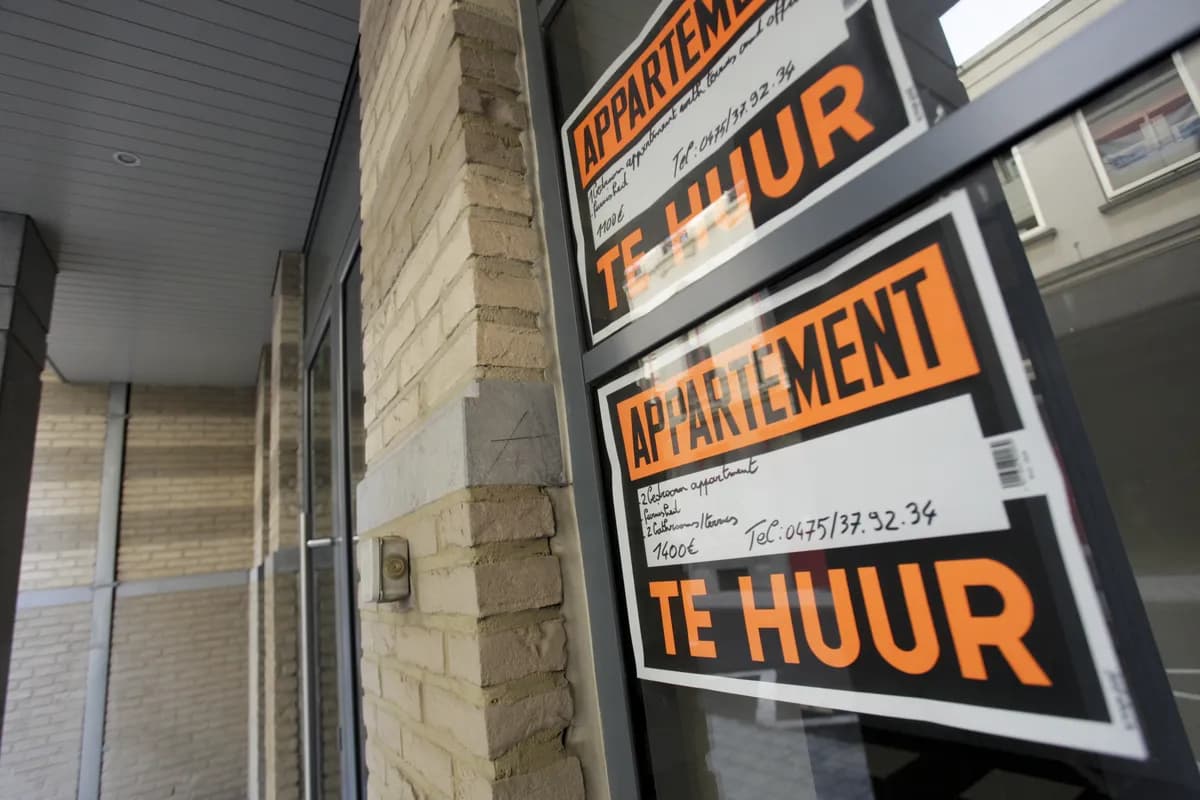
The Renters' Rights Act, which the government describes as the most significant overhaul of housing law in decades, will take effect on 1 May 2026. The Act bans so-called 'no-fault' evictions under Section 21 of the Housing Act 1988, a change that Housing Secretary Steve Reed said would 'call time on no fault evictions and rogue landlords.' According to Daily Express - Finance, Suzanne Smith, founder of The Independent Landlord, described the legislation as 'the biggest reform in almost 40 years.'
Landlords are rushing to evict tenants before the ban comes into force, according to the tenant union Acorn. The group reported that no-fault evictions made up one in five reports from its members in October 2025, rising to nearly one in three by January 2026. A Spareroom survey found that 11% of all tenants have been evicted or received notice of eviction since the Act received Royal Assent, indicating a surge in pre-ban eviction activity.
The Act ends fixed-term tenancies, allowing tenants to end their tenancy at any time with two months' notice, according to multiple media reports. Landlords can only increase rent once a year and must give two months' notice; tenants can challenge excessive increases at a tribunal. These provisions aim to give renters greater flexibility and protection against sudden rent hikes.
The legislation also bans bidding wars, meaning tenants cannot be asked to pay more than the advertised price. Landlords are prohibited from demanding more than one month's rent upfront, and they cannot refuse tenants based on whether they have children or receive benefits. These measures are designed to make the rental market fairer and more accessible.
The Renters' Rights Act is the biggest reform in almost 40 years.
Tenants gain a legal right to request permission to keep a pet, and landlords must respond within 28 days, providing reasonable grounds if they refuse. This provision addresses a common frustration for renters who often struggle to find pet-friendly accommodation.
Despite the new protections, rents continue to rise sharply. The Office for National Statistics reported that average UK private rents increased by 3.5% to £1,367 in the 12 months to September 2025. In London, the average rent stands at £2,736, according to multiple media reports. Spareroom data shows that only five London postcodes have sub-£800 average room rents, down from 81 in 2020, highlighting the affordability crisis in the capital.
Many tenants are already feeling the pressure. A Spareroom survey found that 30% of tenants who stayed in the same rental property have had rents increased since the Act received Royal Assent. The same survey indicated that 11% of all tenants have faced eviction or received notice since that date, suggesting that some landlords are acting pre-emptively before the new rules take full effect.
The private rented sector is shrinking. A study by Pepper Money estimated that nearly a quarter of a million (220,000) rental properties will disappear from the private rental sector in England by the end of 2026. Savills data shows the sector's value declined by 5.1% (£48bn) in 2025, the biggest drop this century. This contraction may exacerbate supply shortages and push rents higher.
We’re calling time on no fault evictions and rogue landlords.
Transitional rules apply for evictions. Landlords can serve a Section 21 notice up to 30 April 2026, and begin court proceedings using that notice until 31 July 2026, according to research from multiple sources. For Section 8 notices served before 1 May 2026, court proceedings must be started by the earlier of 12 months from the notice or 31 July 2026. After 1 May 2026, landlords must use a Section 8 notice with valid grounds for possession, such as rent arrears or anti-social behaviour.
Councils will be legally responsible for overseeing the new rights from 1 May 2026, with enforcement powers including fines up to £7,000 for breaches, rising to £40,000 for repeated or serious offences, according to research. Tenants or local authorities can also seek rent repayment orders for offences, providing a financial deterrent against non-compliance.
Phase 2 of the reforms, starting in late 2026, will introduce a Private Landlord Ombudsman and a Private Rented Sector Database, according to research. These measures aim to improve accountability and transparency in the sector.
Breathing space protections may delay court proceedings for rent arrears during the transition. If a tenant is in a breathing space, court proceedings for rent arrears grounds cannot start during that period, and time limits may be extended, according to research. This provision offers a temporary reprieve for tenants struggling with debt.
London renters can use a property licensing checker, as recommended by Money Saving Expert, to see if their landlord has the correct licence. If the landlord lacks a licence, tenants may be owed up to 12 months' rent, providing a powerful tool to enforce licensing rules.
Several unknowns remain. It is unclear how many rental properties will actually leave the market as a result of the Act, and whether the ban on no-fault evictions will lead to a significant increase in Section 8 evictions. Local councils may face resource constraints in enforcing the new rights, and the net effect on average rents after full implementation is uncertain. The government may also introduce further amendments or transitional measures before May 2026.