

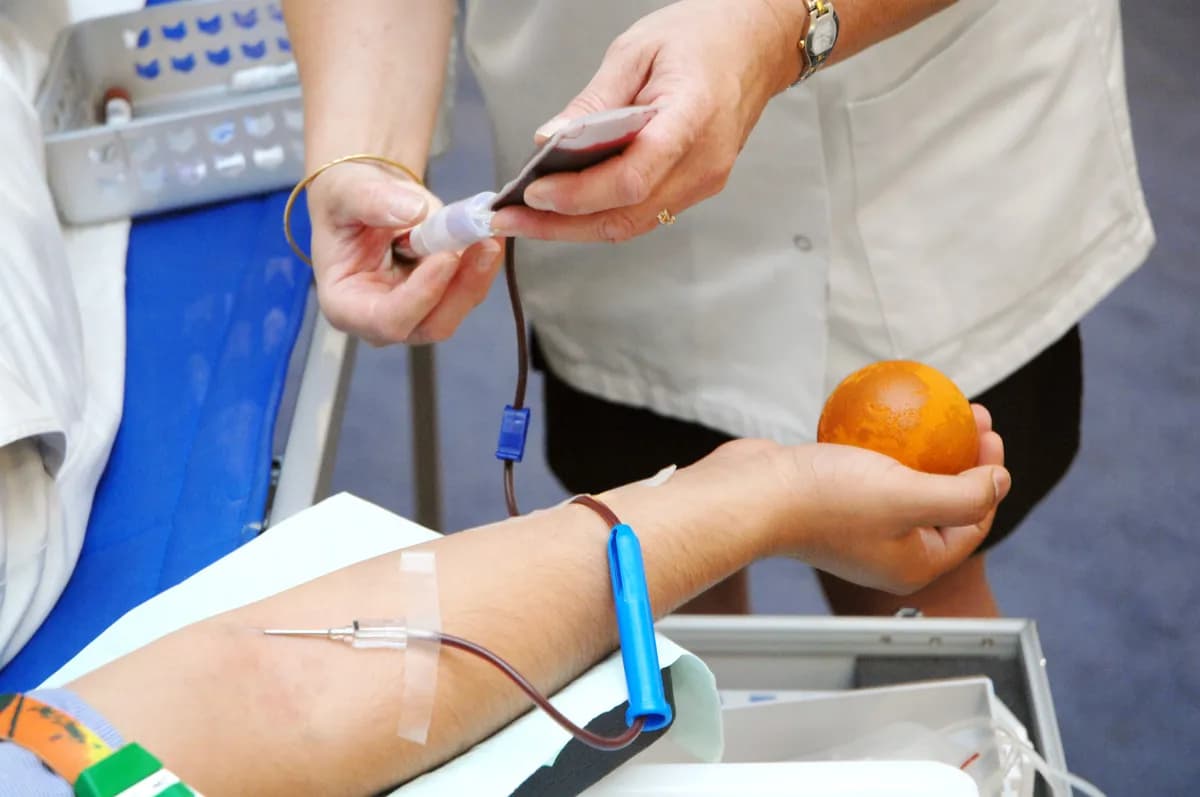
The upcoming changes in Region Halland mark a shift from historical restrictions on blood donation for men who have sex with men. Before 2010, these men were permanently excluded from donating blood under regulations from the National Board of Health and Welfare. After 2010, they faced a 12-month abstinence period, which was reduced to 6 months on May 1, 2021.
The spread of HIV in Sweden started in the early 1980s, primarily affecting gay and bisexual men, influencing these policies. From December 1, 2025, regions conducting NAT tests can make individual assessments of a potential donor's sexual risk behavior, potentially leading to a 4-month deferral period with a new sexual partner, regardless of sexual orientation. The regulatory framework for these changes is evolving, with the National Board of Health and Welfare having updated blood donation regulations.
I look forward to donating blood; you can save someone's life. But then I also think that I should be treated exactly like everyone else.
The introduction of NAT testing is gradual, but all regions must implement it before August 2027, when the EU's new human material regulation begins to apply. Implementation of the new regulations has varied across regions, with differences in timing and approach. According to SVT Halland, Noel Randelid, a 17-year-old from Varberg and chairman of Ung Vänster in Varberg, described looking forward to donating blood to save lives but emphasized the need for equal treatment.
He also described feeling it was unreasonable to atone for past events from 40 years ago. The specific new rules Region Halland will implement in autumn 2024, the exact timeline for their finalization, and how individual assessments will be conducted in practice remain unclear, as do whether other regions are planning similar changes and the current deferral period in Region Halland before the planned updates.
It's a bit like I, 17 years old, should atone for what we believe people did 40 years ago. It's not reasonable.