

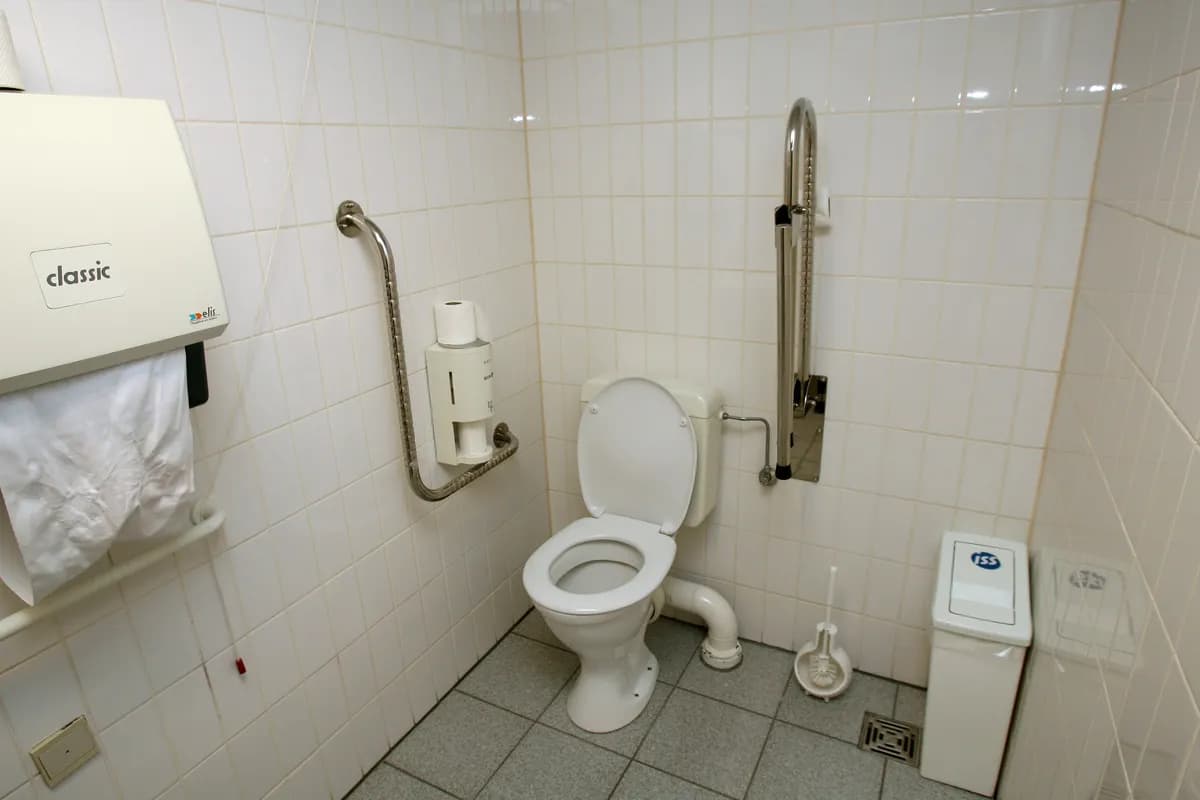
The RSPH said the lack of toilets contributes to an increase in public urination, fostering unhygienic conditions. Some people are restricting their fluid intake when out in public, putting them at risk of dehydration, the organisation added. The shortage may also cause some people to stay home rather than venture out, affecting local businesses.
William Roberts, chief executive of the RSPH, said: "Access to public toilets is a universal need that we all have, and we shouldn't shy away from talking about it." He added: "One public toilet per 15,000 people simply isn't good enough and, without action, that figure will keep rising as we lose more facilities."
Access to public toilets is a universal need that we all have, and we shouldn’t shy away from talking about it.
In Scotland, there are around 8,500 people per public toilet, while in Wales the figure is about 6,748, according to the RSPH. The organisation is calling for new strategic authorities to have a duty to ensure sufficient public toilets, supported by central government funding. It also wants regulations requiring public toilets in any development with non-residential units. Currently, local councils decide how many toilets are needed in their area.
The Local Government Association said the lack of public toilets disproportionately affects vulnerable groups including older people, people with disabilities, those with medical conditions, babies and children, and people sleeping rough. A spokesperson said: "Funding pressures have caused councils to rethink provision. The maintenance of a public toilet could cost a council £25,000 a year, a figure which is greatly impacted by the condition in which they are left by their previous users." The spokesperson added: "Vandalism and antisocial behaviour cost councils millions of pounds a year which means councils having to invest into more regular cleaning and better security, meaning that the taxpayer foots the bill for vandalism in this most basic of public provisions."
One public toilet per 15,000 people simply isn’t good enough and, without action, that figure will keep rising as we lose more facilities.
Roberts said: "For some people, access to a public toilet can be the difference as to whether they leave the house; for others, it can lead to deliberately restricting fluid intake to avoid the need to use a toilet." He added: "The effects also go far beyond the individual. Having an insufficient number of public toilets has inevitable unsanitary consequences, creating unpleasant environments that degrade our public realm." He concluded: "As a country, we can and should be doing better. We need to create public spaces that people want to spend time in, and this means giving local authorities the resources they need to provide the facilities we all rely on."
For some people, access to a public toilet can be the difference as to whether they leave the house; for others, it can lead to deliberately restricting fluid intake to avoid the need to use a toilet.
The effects also go far beyond the individual. Having an insufficient number of public toilets has inevitable unsanitary consequences, creating unpleasant environments that degrade our public realm.
As a country, we can and should be doing better. We need to create public spaces that people want to spend time in, and this means giving local authorities the resources they need to provide the facilities we all rely on.