

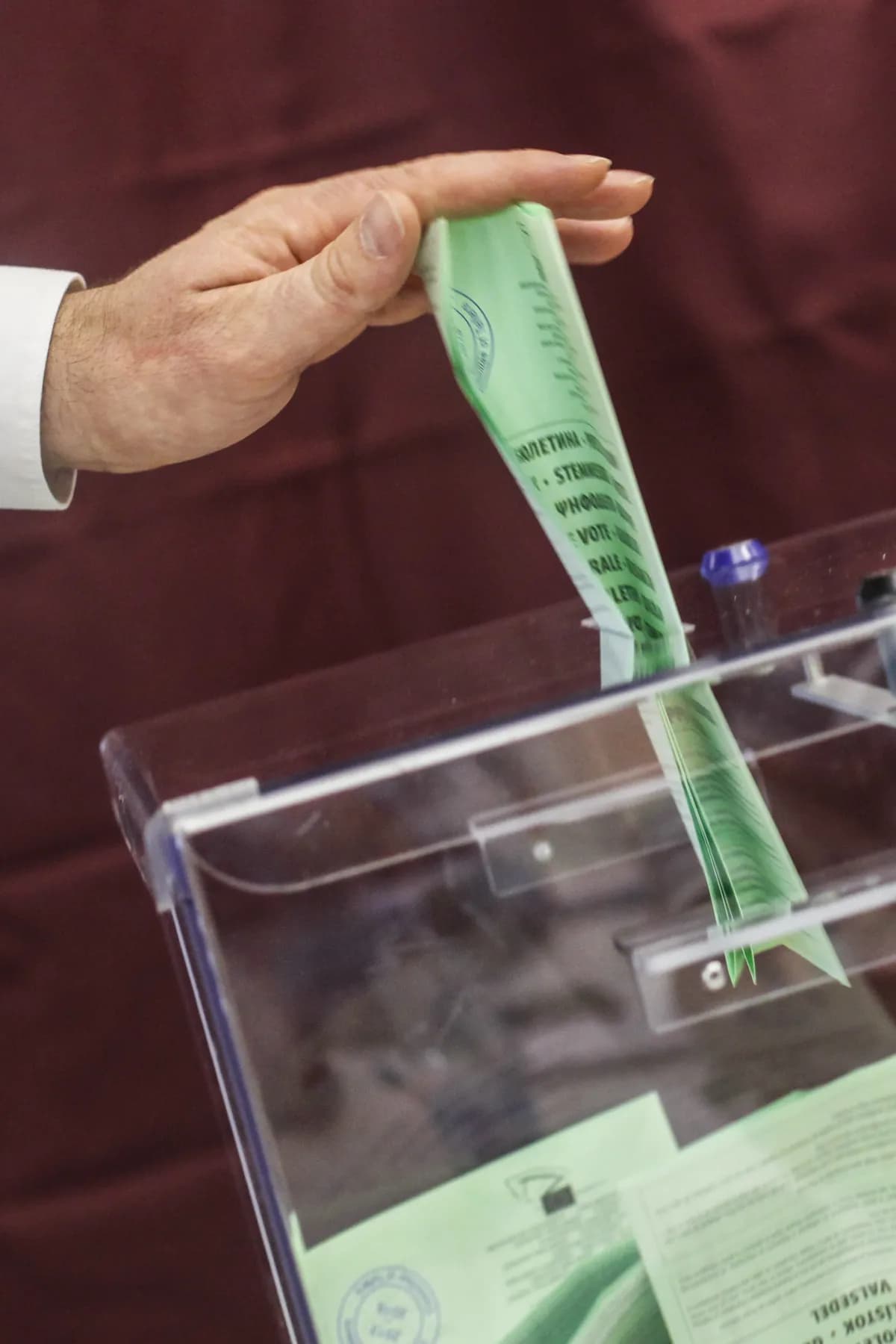
Peruvians are voting in presidential and congressional elections on Sunday, according to multiple reports. The election is taking place amid a surge in violent crime and corruption, which are top voter concerns, and this will choose Peru's ninth president in 10 years, as major media sources indicate. This context underscores the high stakes for a nation grappling with deep-seated issues that have fueled voter anxiety and political turnover.
About 27 million people are eligible to vote in this election, with voting mandatory for Peruvians aged 18 to 70, and fines for failure to vote, according to major media reports. There are 35 presidential candidates, a record number, and a presidential candidate needs more than 50% of votes to win outright, as multiple sources confirm. The sheer scale of the electorate and candidate field reflects both democratic engagement and the fragmentation that has characterized Peru's recent political landscape, with the high number of contenders indicating a deeply divided electorate seeking diverse solutions to the country's challenges.
This is one of the most unpredictable elections on record. There could be surprises this Sunday because we don't know who will make it through to the second round.
Keiko Fujimori holds a narrow lead in opinion polls, according to major media sources. However, no candidate is polling above 15%, making a runoff on June 7 almost certain, as Urpi Torrado of Datum Internacional told The Guardian - Main UK, describing the election as one of the most unpredictable on record. This fragmented field suggests that the first round may serve more as a filtering mechanism than a decisive contest, with voters navigating a crowded slate of options and likely leading to a second round where alliances and voter shifts will be crucial.
Voters are also choosing members of a bicameral Congress, as major media reports indicate. Many candidates have proposed tough-on-crime measures, including mega-prisons and the death penalty, according to multiple sources, reflecting the urgency of security concerns among the populace. According to Euronews, Justiniano, a 33-year-old voter, described the pervasive crime, noting that safety is the top priority for many Peruvians today, with these proposals aiming to address widespread fears over violence and lawlessness.
There's so much crime, so many robberies on every corner; a bus driver was killed. What matters most to us right now is safety, the lives of every person.
Logistical issues left thousands of people unable to vote on Sunday, as major media sources report, and polling stations were kept open longer than planned on Sunday due to problems, according to Aftonbladet. These disruptions emerged early in the day, causing frustration and delays at various locations across the country, highlighting organizational challenges in the electoral process that affected voter access and efficiency.
Some polling stations will reopen on Monday after logistical problems prevented around 63,000 people from voting, Aftonbladet reports, indicating a discrepancy in scale with earlier vague reports of 'thousands' affected. Police and prosecutors went to the electoral authority's headquarters to investigate why voting materials were not delivered, according to major media sources, suggesting official scrutiny into the causes of the breakdowns and potential accountability for the failures.
Politicians don't always keep their promises. This time, we have to choose our president wisely so that he can improve Peru.
Electoral authorities allowed more than 52,000 residents of Lima to vote on Monday, major media sources indicate. The voting extension also covers Peruvians registered to vote in Orlando, Florida, and Paterson, New Jersey, as Aftonbladet reports, aiming to mitigate the impact of the logistical failures on voter participation. These measures represent an effort to uphold electoral integrity amid unforeseen complications, ensuring that eligible voters are not disenfranchised by administrative issues.
It remains unknown who will advance to the second round of the presidential election, with final voter turnout and election results still pending. The outcome will hinge on how voters respond to the candidates' platforms and the handling of the voting disruptions in the coming days, as the fragmented polling makes predictions difficult and the logistical problems could influence voter sentiment.
The specific causes and full extent of the logistical voting problems are not yet clear, and how the voting extension will impact the election outcome is uncertain. Authorities are investigating the delivery failures, but the broader implications for public trust and electoral legitimacy await further analysis, with potential effects on voter confidence and the perceived fairness of the process.
This election occurs amid Peru's political volatility, with frequent leadership changes and ongoing challenges like crime and corruption. According to Euronews, Justiniano described politicians as often failing to keep promises, emphasizing the need for wise choices to improve Peru. The result could shape the country's trajectory for years, depending on which candidate ultimately wins the presidency and how they address pressing issues, with the high stakes reflecting Peru's struggle for stability and effective governance.