

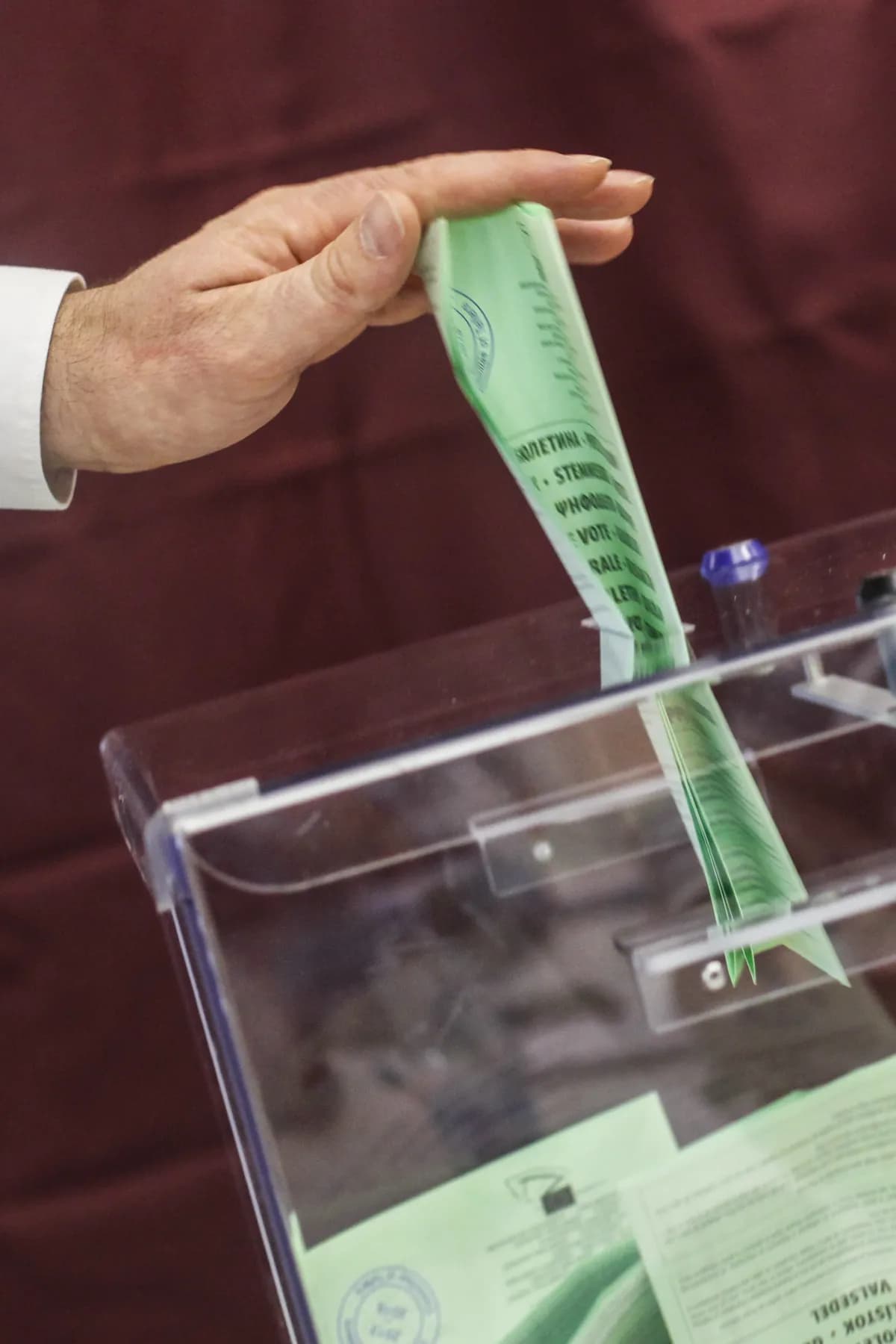
Peruvians went to the polls on Sunday for a general election, but the election results have been delayed due to technical and logistical problems at polling stations. Tens of thousands of people were unable to vote on Sunday, leading electoral authorities to grant a one-day extension for affected voters to cast ballots on Monday. Polling stations were kept open longer than planned on Sunday due to problems, and voters who experienced issues in Lima and at polling stations abroad will be able to vote on Monday. The scale of the disruption is contested, with some reports indicating more than 50,000 voters were unable to cast ballots, while others suggest around 63,000 people were prevented from voting.
A preliminary count of half the votes cast shows conservative candidate Keiko Fujimori slightly ahead, with Keiko Fujimori leading in counted votes. The battle for second place is very close-run, and all candidates are far short of the 50% needed to win outright, making a runoff on June 7 almost certain. According to The Guardian - Main UK, Urpi Torrado described this as one of the most unpredictable elections on record, noting there could be surprises because it is unclear who will make it through to the second round.
The election involves a large electorate and a crowded field, with about 27 million people eligible to vote and 35 presidential candidates. Voting is mandatory for Peruvians aged 18 to 70, with fines for non-compliance, and the election will replace President José María Balcázar, who has been in office since February. This high number of candidates reflects the fragmented political landscape in Peru, where no single party has dominated in recent years.
Keiko Fujimori is running for the presidency for the fourth time and lost the previous three runoffs by narrow margins. She is the daughter of late president Alberto Fujimori, who was convicted of corruption and human rights abuses or crimes against humanity. Her political career has been heavily influenced by her father's legacy, which remains a polarizing factor among voters, with some viewing it as a source of strength and others as a liability.
This is one of the most unpredictable elections on record. There could be surprises this Sunday because we don't know who will make it through to the second round.
Key voter concerns have dominated the campaign, with the fight against crime topping voter concerns amid record homicide and extortion rates. Keiko Fujimori and Rafael López Aliaga have promised to use an 'iron fist' to tackle crime, while political corruption is a close second concern for voters. These issues have been central to campaign debates, with candidates proposing various measures to address public safety and governance reforms.
The broader political context includes recent history of instability and corruption, with four former presidents in jail, most linked to Odebrecht bribery cases. The last president to serve a full term was Ollanta Humala from 2011 to 2016, and the newly re-established Senate cannot be dissolved by the president and is expected to wield considerable power. This institutional change aims to provide more stability, but it also adds complexity to the political dynamics as the new government takes shape.
Authorities are investigating the voting material delivery failure, with Peru's current President José María Balcázar saying the company hired to deliver voting material failed to do so in time. Police and prosecutors went to the electoral authority's headquarters to investigate the failure to deliver voting material. The investigation is ongoing, and officials have not yet released detailed findings on the causes or potential accountability for the logistical breakdown.
Several unknowns remain, including which candidate will secure second place and advance to the runoff, and how the voting extension will impact the final election results. The exact cause and full extent of the logistical and technical problems at polling stations are still unclear, as is the identity of the company hired to deliver voting material and why it failed. Additionally, the final voter turnout percentage for the election has not been confirmed, and it remains to be seen how these issues might affect public trust in the electoral process.