

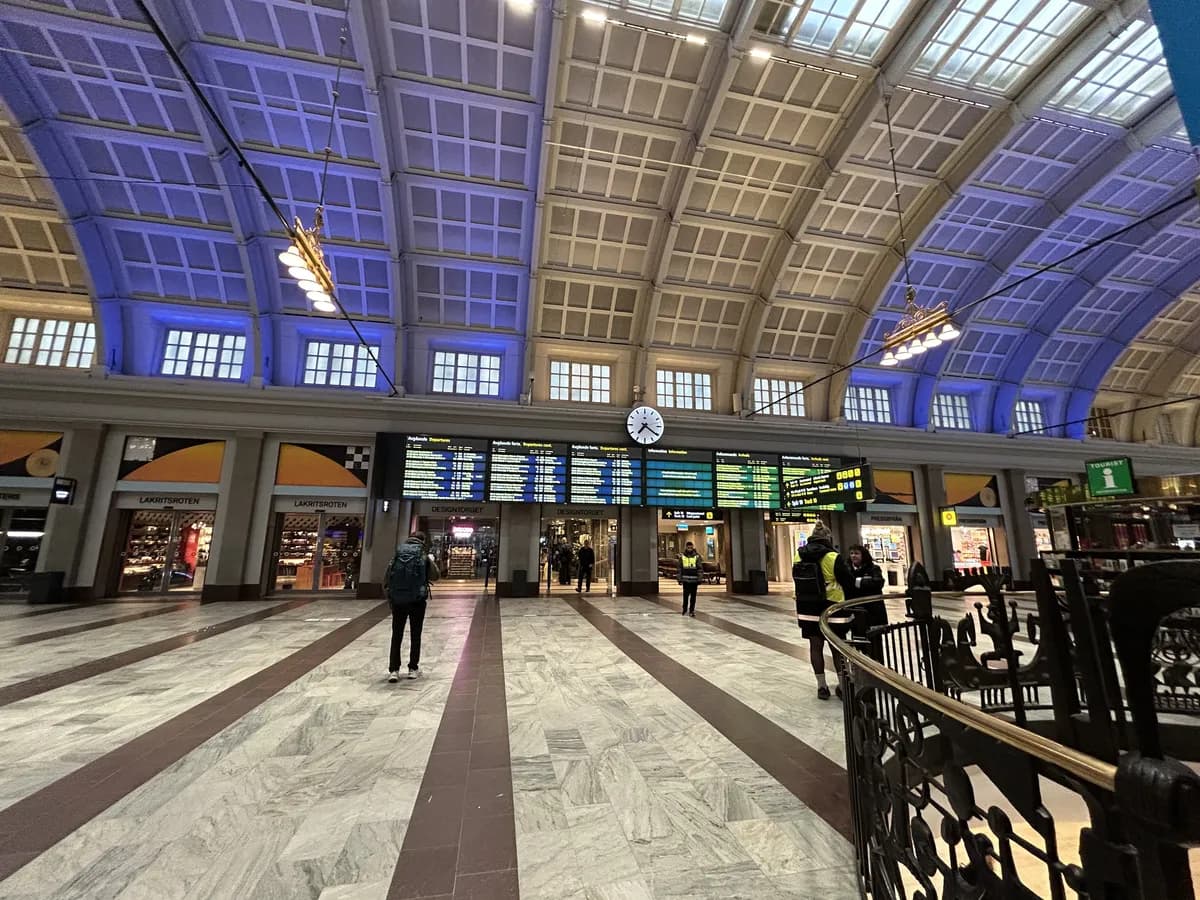
Under the proposed measures, ticket-holders would have their credentials checked at specific Seventh Avenue entrances on 33rd Street and 32nd Street, according to multiple reports. Amtrak and Long Island Rail Road passengers would be redirected to alternative entrances during the four-hour window before kick-off. Following the conclusion of matches, trains would arrive empty at Secaucus Junction to be fully dedicated to transporting spectators away from the stadium. Penn Station serves as the primary gateway for fans traveling to East Rutherford, with most expected to take NJ Transit to Secaucus before transferring to the stadium line. The transportation plans were confirmed to NorthJersey.com by an NJ Transit official speaking on condition of anonymity.
New Jersey taxpayers have already committed more than $300 million toward stadium upgrades and transportation readiness. There is currently no contract requiring New York City to contribute to the costs of the tournament. The New Jersey state legislature is weighing a bill to introduce temporary tax increases and surcharges during the tournament to recoup hundreds of millions of dollars in investment.
Parking at MetLife Stadium will be severely restricted for the World Cup, forcing the majority of attendees onto public transport or chartered coaches. Penn Station is a major terminal for approximately 132,000 daily NJ Transit rail riders. Four of the eight scheduled matches will take place on weekdays, including a 3 p.m. kick-off on Tuesday, June 16, and a 4 p.m. start on Thursday, June 25, both overlapping with peak afternoon commuting hours. Natalie Hamilton, a spokesperson for the New York New Jersey Host Committee, previously told NorthJersey.com that a formal mobility plan would be unveiled in the coming weeks. The original FIFA contracts were signed under previous administrations, leaving the current administration of New Jersey Gov. Mi to manage operational oversight changes.