

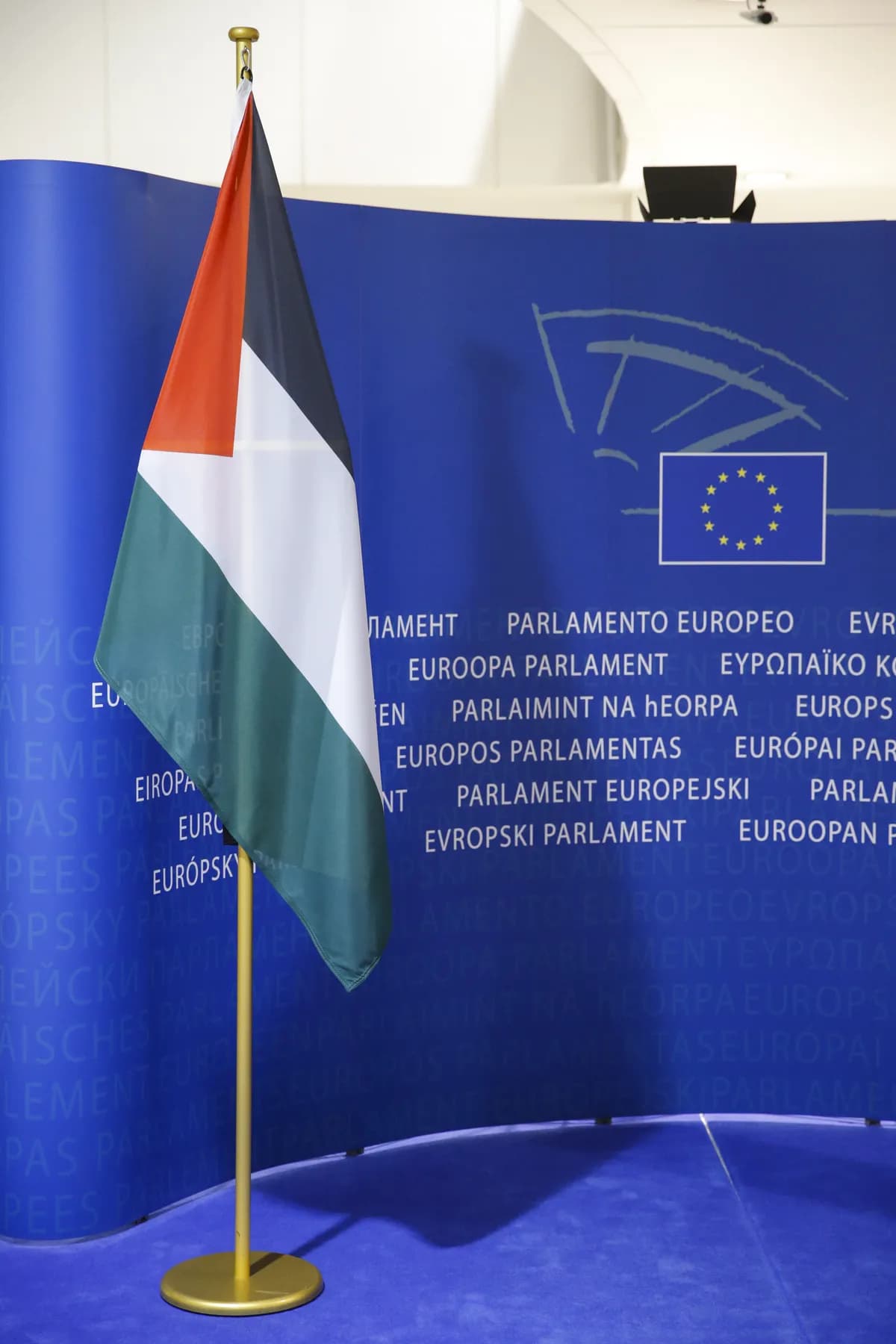
The elections, which began at 07:00 local time and will close at 19:00, are being held for 90 municipal councils and 93 village councils. However, results will be decided without a poll in 42 municipal councils and 155 village councils where only one faction is standing. According to the Central Elections Commission, over 1 million voters across the Palestinian territories are eligible to vote, including 70,000 in Deir al-Balah. The commission also reported that over 1.5 million people are registered to vote, a discrepancy that may stem from different definitions of eligibility versus registration.
Hamas, which has controlled Gaza since 2007, was not allowed to stand in the election. Several factions boycotted the election over a requirement that candidates commit to recognising the Palestine Liberation Organisation (PLO), according to multiple reports. Fatah, led by President Mahmoud Abbas, dominates the PLO and was ousted from Gaza by Hamas after the 2006 elections. No candidates on the lists are affiliated with Hamas, and voters mostly find politicians aligned with Fatah on the ballots. One slate of candidates in Deir al-Balah is widely seen as aligned with Hamas, Reuters news agency reports.
Deir al-Balah was chosen as the sole Gaza area for elections because it was not as badly damaged as other places during the war, according to multiple reports. Twelve polling stations were scheduled to operate in Deir al-Balah. Voters must be over 18 and have lived in the area for at least six months. Hamas continues to operate in parts of Gaza where Israeli forces have withdrawn, and Hamas police were involved in security operations around polling stations in Deir al-Balah, Reuters reports. Results are expected late Saturday or on Sunday.
The election in Gaza is largely symbolic and seen as a test for future elections, according to Fareed Taamallah, spokesperson for the election commission. "The idea is to connect the West Bank and Gaza politically under one system," Taamallah said at a press conference. A fragile ceasefire is in place as part of President Trump's 20-point peace plan, which halted fighting in October last year. The election's outcome could affect the ceasefire and broader peace efforts, though its immediate impact remains uncertain.
Fatah is the only major faction on the ballot and is guaranteed victory in some districts due to lack of opposition. Elections are for 90 municipal councils and 93 village councils, but results will be decided without a poll in 42 municipal councils and 155 village councils where only one faction is standing. This dominance underscores Fatah's institutional advantage, though the boycott by other factions limits the election's competitiveness.
The exact voter turnout remains unknown, as does whether the results will be accepted by all factions, including Hamas. There are also questions about how the election will affect the fragile ceasefire and peace plan, and whether any irregularities or violence occurred during voting. The specific conditions that led to the boycott by several factions have not been fully detailed. These unknowns highlight the tentative nature of this electoral exercise, which is both a step toward political unity and a reminder of the deep divisions that persist.