

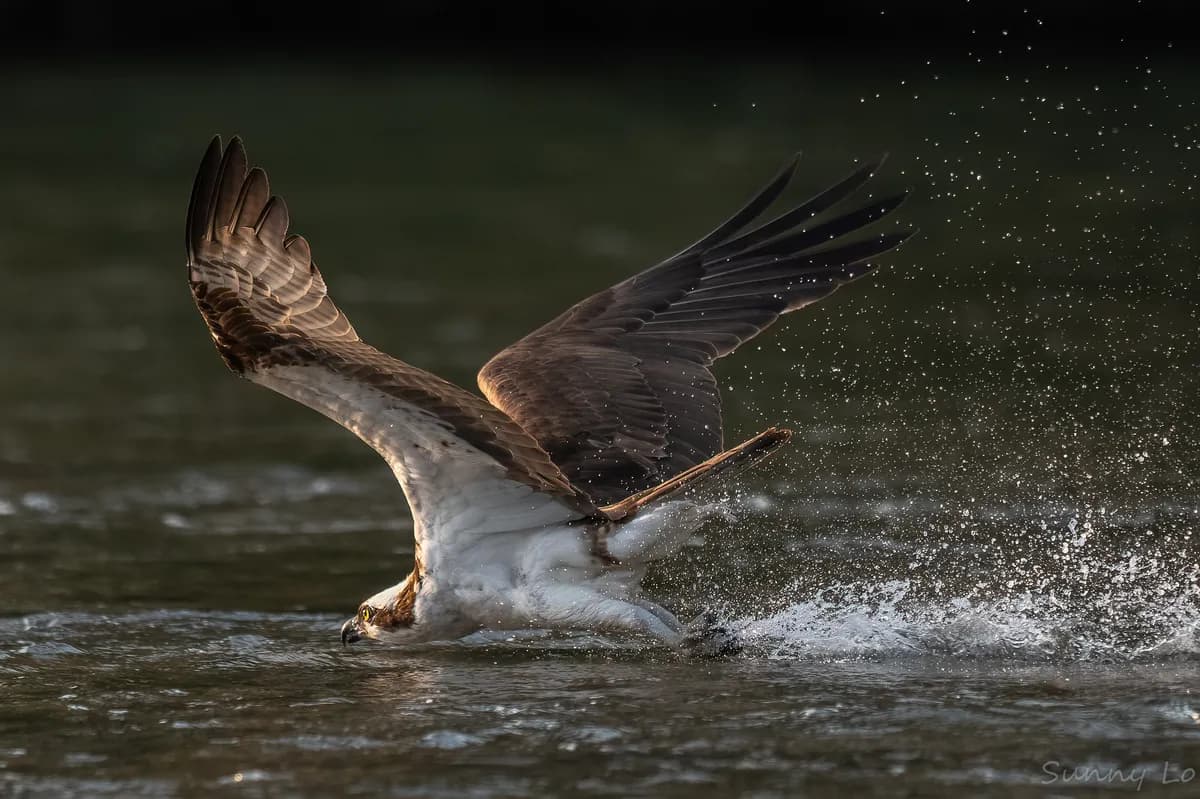
According to multiple reports, ospreys were tricked into breeding in Dorset through a translocation project that started in 2017. Female CJ7 and male 022 were the first of two pairs to breed at Poole Harbour. They have nested at Careys Secret Garden since 2022 and hatched four chicks in 2024 and another four in 2025.
A second pair, female 1H1 and male 374, nested in southern England and hatched two chicks in 2025. The charity Birds of Poole Harbour has set up 10 nest platforms hoping for a third breeding pair in 2026. According to Sam Ryde, a young male osprey hatched in 2023 has shown interest in returning and might form the third pair.
When you have wiped out a population of something, there are traits that prevent them from returning in that area.
The return rate of young ospreys from migration is about 30%, and those that do not return may have fallen prey to crocodiles and jackals or been blown out into the Atlantic. Many south of England ospreys are ringed but do not carry trackers, so the exact fate of missing birds is unknown. CJ7 laid a fourth egg for the third year in a row in 2025, a rare occurrence according to Birds of Poole Harbour.
The pair have successfully bred at the nest site for three consecutive years: three young in 2023, four in 2024, and four in 2025. The 2025 eggs should start to hatch towards the end of May. The reintroduction programme involved relocating about 14 osprey chicks a year from Scotland under licence at five weeks old and transporting them to Dorset.
It's the males that set up the territories so, over time, we tricked them that this was their natal site.
According to BBC News - Science, Paul Morton described how the chicks were placed in cardboard boxes, driven overnight, and kept in holding aviaries for about two-and-a-half weeks. The team prepared 9-10 kg of fish daily for the chicks, gradually increasing portions. After release, the young ospreys still returned to the nest to be fed for about a month.
Juvenile ospreys usually leave in August or September, travel to West Africa, and return to Dorset when ready to breed. In addition, a pair of white-tailed eagles has been seen around Christchurch, part of a reintroduction programme on the Isle of Wight. The male white-tailed eagle has become the first to fledge in the wild in Dorset in 240 years.
In the autumn we would get two or three ospreys passing through. It was obvious there was enough food for them so we applied for a licence to bring ospreys from Scotland.
White-tailed eagles were driven to extinction in the UK in the early 20th century.
They are individually put in a cardboard box that feels like a nest, and driven overnight so it's cooler.
They arrive at dawn and are put in holding aviaries for about two-and-a-half weeks with a couple of other birds so they become like a little family and we minimise human contact.
We put the pieces through a letterbox so the ospreys can feed themselves – all the time they are being monitored on CCTV because we need to make sure they are eating, pooing and flapping.
Then the hard work really starts.
When a osprey flies for the first time, it still returns to the nest three to four times a day to get fed, and this goes on for about a month. So we would sneak out in the morning and put whole fish on the nests. That time is the most crucial part of the project because if they flew off into the sunset they would die. After a week, they would get braver and go several hundred metres. After a month they are all over the place, mapping the area.