

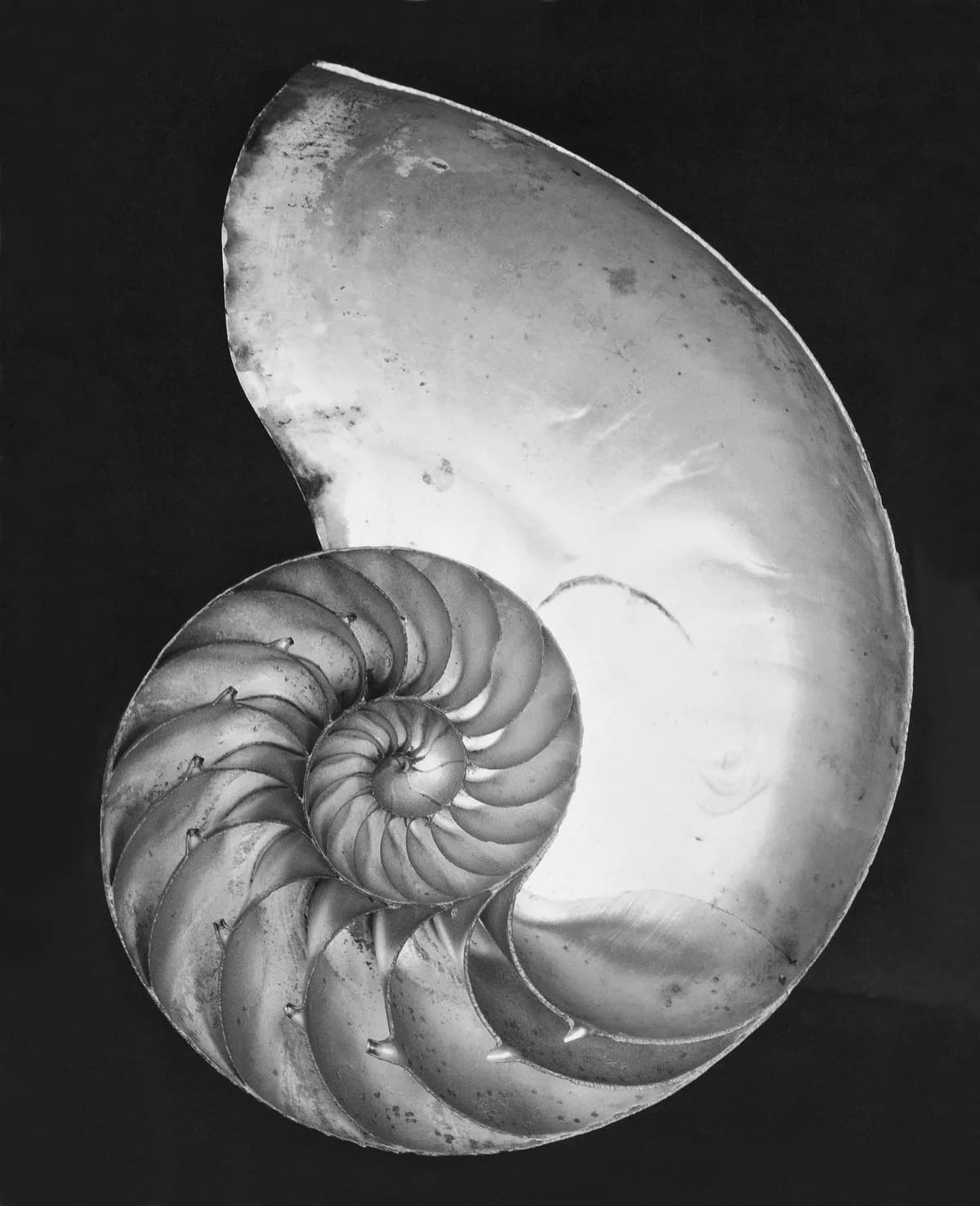
A 300-million-year-old fossil previously identified as the oldest octopus, Pohlsepia mazonensis, is actually a nautilus relative, according to multiple reports. The fossil was re-examined using synchrotron imaging, which revealed tiny teeth that proved it was not an octopus. The fossil is now the oldest known nautiloid soft tissue preservation. Originally described in 2000, the specimen was used in studies of octopus evolution. It was found in Illinois. Dr Thomas Clements, lead author and lecturer in Invertebrate Zoology at the University of Reading, said that the world's most famous octopus fossil was never an octopus at all. He explained that the fossil was a nautilus relative that had been decomposing for weeks before burial, and that decomposition made it look convincingly octopus-like. Clements added that scientists identified Pohlsepia as an octopus 25 years ago, but using modern techniques showed what was beneath the surface, finally cracking the case. He noted that researchers now have the oldest soft tissue evidence of a nautiloid ever found, and a much clearer picture of when octopuses actually first appeared on Earth. Clements remarked that sometimes reexamining controversial fossils with new techniques reveals tiny clues that lead to really exciting discoveries. The study was published in the journal Proceedings of the Royal Society B, according to major media reports.
In a separate but related line of research, ancient giant octopuses up to 62 feet (19m) long existed in the Late Cretaceous seas between 72 and 100 million years ago, multiple reports indicate. Two new species of ancient octopus relatives were discovered: Nanaimoteuthis haggarti and Nanaimoteuthis jeletzkyi. Nanaimoteuthis haggarti grew up to 62 feet (19m) long and showed extensive jaw wear, indicating it was an active carnivore. Nanaimoteuthis jeletzkyi grew up to 26 feet (8m) long. The giant octopuses may have preyed on large marine reptiles like mosasaurs. The jaw wear suggests the octopuses had a preferred side to chew on, linked to advanced intelligence. A team from Hokkaido University stated that this extensive wear suggests dynamic crushing of hard skeletons. They added that with a calculated total length of up to 62 feet (19m), these octopuses may represent the largest invertebrates thus described, rivalling contemporaneous giant marine reptiles. Scientists noted that in the largest individuals, the jaws showed extensive wear with once-sharp features in small juveniles becoming blunted and rounded over time. Researchers said that the long scratches distributed on wide areas of their jaw reflect the dynamic use of the entire jaw for dismantling prey. They concluded that the earliest octopuses already possessed advanced intelligence. The team said that long after the rise of vertebrate top predators, octopuses evolved body plans capable of rivalling them, as demonstrated here.
It turns out the world’s most famous octopus fossil was never an octopus at all.
There is a contradiction regarding the publication journal for the study on ancient giant octopuses. Major media reports state the study was published in the journal Science, while other reports claim it was published in Proceedings of the Royal Society B. This discrepancy could confuse readers about the correct citation. The exact age of the Pohlsepia mazonensis fossil has not been specified beyond being 300 million years old. How researchers calculated the total length of Nanaimoteuthis haggarti remains unclear. The relationship between the two studies—whether they are separate or related—is not explicitly stated. The specific evidence linking jaw wear to advanced intelligence in octopuses has not been detailed. It is unknown whether other fossils might be reclassified using synchrotron imaging.
It was a nautilus relative that had been decomposing for weeks before it became buried and later preserved in rock, and that decomposition is what made it look so convincingly octopus-like.
Scientists identified Pohlsepia as an octopus 25 years ago, but using modern techniques showed us what was beneath the surface to the rock, which finally cracked the case.
We now have the oldest soft tissue evidence of a nautiloid ever found, and a much clearer picture of when octopuses actually first appeared on Earth.
Sometimes, reexamining controversial fossils with new techniques reveals tiny clues that lead to really exciting discoveries.