

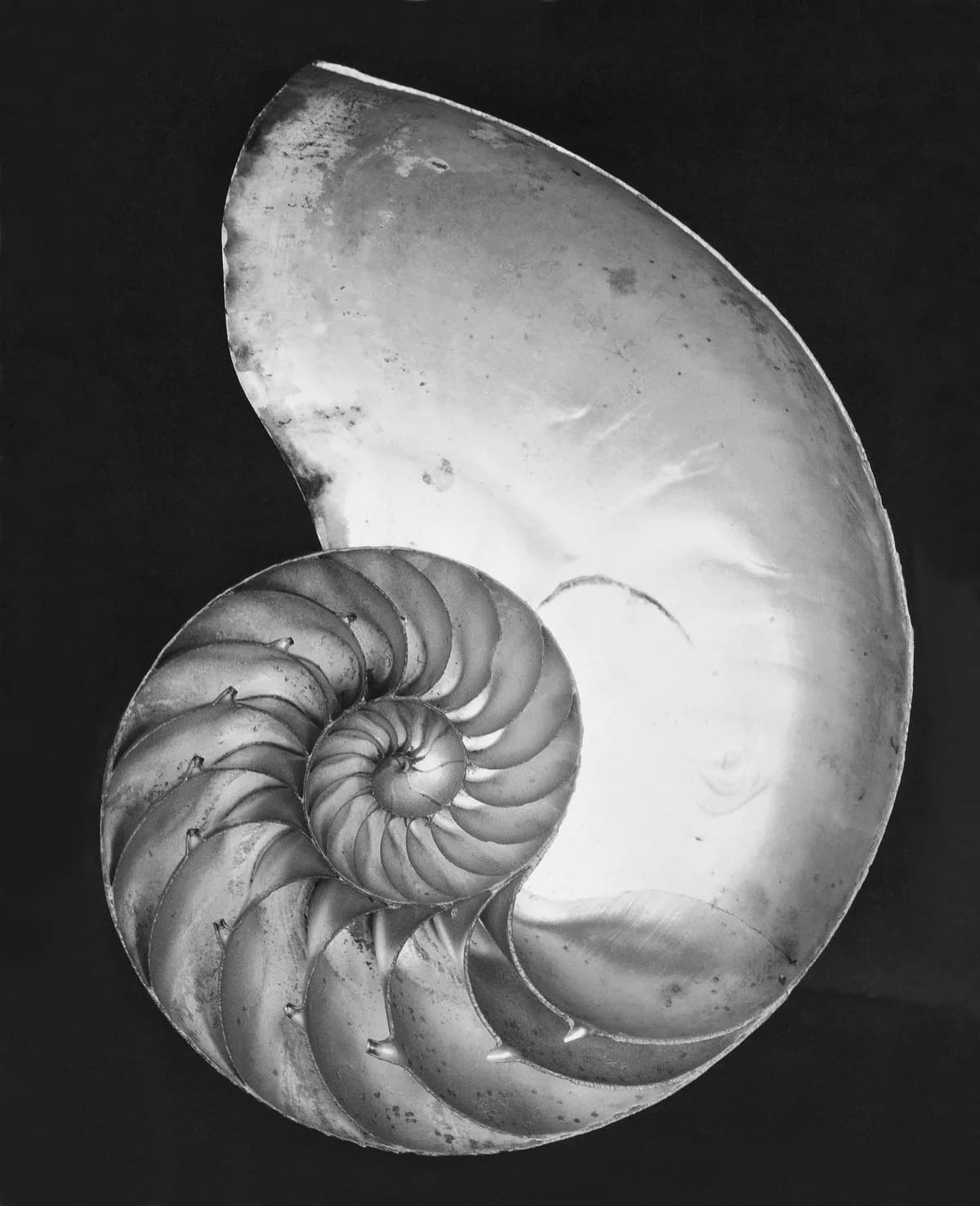
According to a study published in the journal Proceedings of the Royal Society B, a 300-million-year-old fossil previously identified as the oldest octopus, Pohlsepia mazonensis, is actually a nautilus relative. The reclassification was made using synchrotron imaging that revealed tiny teeth (radula) characteristic of nautiloids. The fossil was found in Illinois and first analyzed in 2000. The fossil provides the oldest known soft tissue preservation of a nautiloid, according to the researchers. Dr Thomas Clements from the University of Reading said the fossil is actually a nautilus relative that had decomposed for weeks before burial, giving it an octopus-like appearance. "It turns out the world's most famous octopus fossil was never an octopus at all," Clements said. He added that the decomposition made it look convincingly octopus-like. Clements noted that reexamining controversial fossils with new techniques can reveal tiny clues leading to exciting discoveries.
In a separate development, researchers have described giant ancient octopus relatives that lived during the Late Cretaceous period, between 72 and 100 million years ago, according to a study published in the journal Science. According to the study, a species called Nanaimoteuthis haggarti could grow up to 62 feet (19 meters) long. Another species, Nanaimoteuthis jeletzkyi, reached up to 26 feet (8 meters), according to the researchers. The study examined 15 fossil jaws from Japan and Canada's Vancouver Island, and identified 12 additional jaws from Japan using digital fossil mining. The jaws of these ancient octopuses showed extensive wear, indicating they crushed hard shells and bones, according to the Hokkaido University team. The wear suggests dynamic crushing of hard skeletons. In the largest individuals, once-sharp features became blunted and rounded over time. The researchers noted that long scratches on the jaws reflect the dynamic use of the entire jaw for dismantling prey. Co-author Yasuhiro Iba said the animals repeatedly crushed hard prey such as shells and bones. The largest jaw was substantially bigger than that of any modern octopus, according to Iba. The team calculated that with a total length of up to 62 feet, these octopuses may represent the largest invertebrates described, rivalling contemporaneous giant marine reptiles. They noted that long after the rise of vertebrate top predators, octopuses evolved body plans capable of rivalling them.
The exact diet of these ancient octopuses remains unknown, as does how their soft bodies allowed them to compete with vertebrate predators. The reclassification of Pohlsepia also raises questions about the precise evolutionary timeline of octopuses and how common these giant octopuses were in Late Cretaceous oceans. Other fossils may be misidentified due to decomposition before fossilization.