

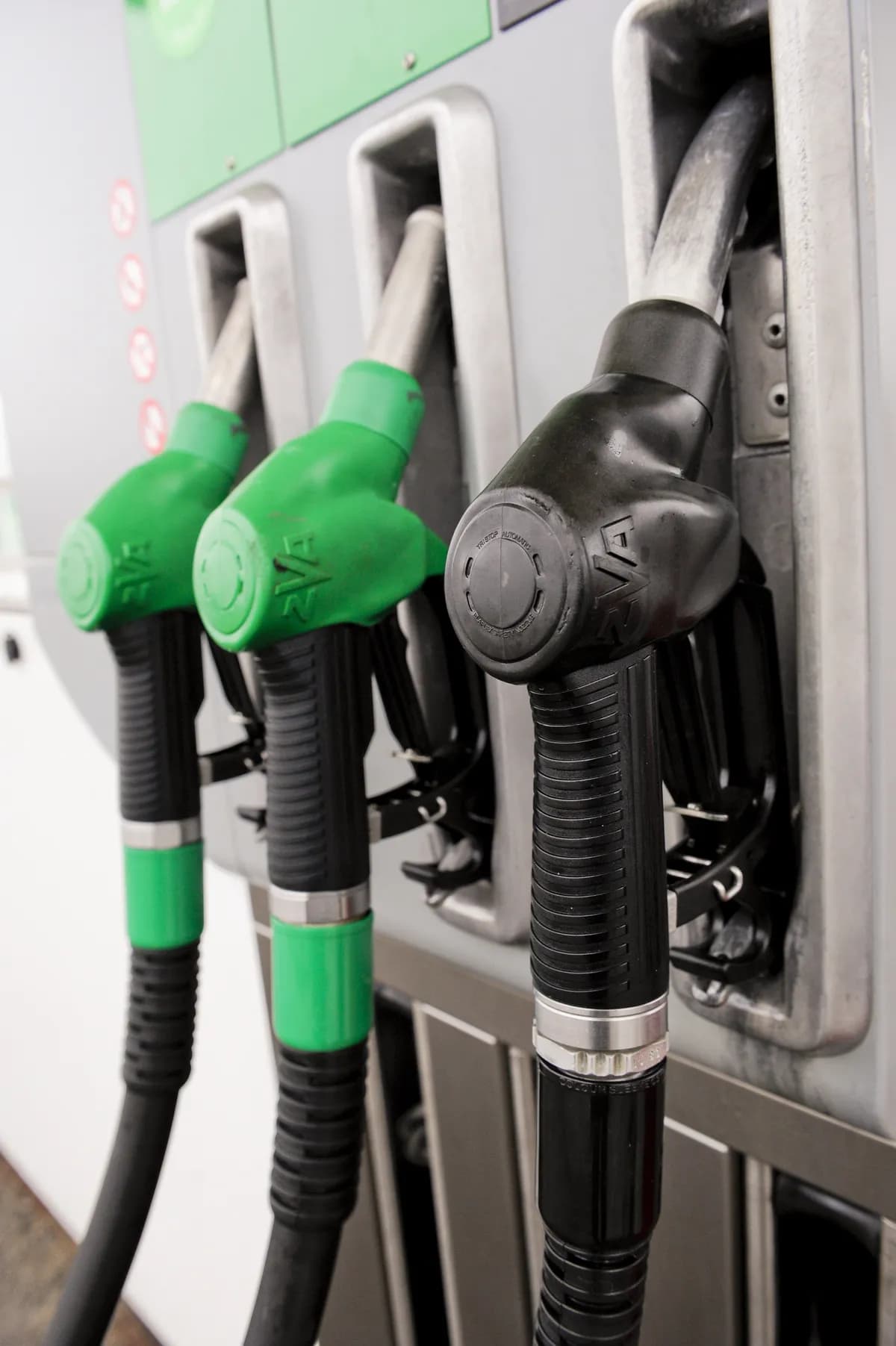
The International Energy Agency, via the IMF and Wikipedia, reported that the Strait of Hormuz is effectively closed due to the war, causing the largest disruption to the global oil market in history. Research from eight sources indicates that oil production in Kuwait, Iraq, Saudi Arabia, and the UAE dropped by 6.7 million barrels per day by 10 March and at least 10 million by 12 March. Brent crude oil prices surged past $100 per barrel and later to $120 per barrel, according to two research sources. Eight research sources confirm that oil prices rose by 49.9% for Brent and 48.6% for WTI in March 2026. Analysts have described the war as causing a systemic collapse of the Gulf Cooperation Council economic model. Research from eight sources shows that 70% of the region's food imports were disrupted, causing a 40–120% spike in consumer prices, and Iranian strikes on desalination plants threaten drinking water in Kuwait and Qatar.
The ceasefire between the US and Iran is fragile and has been violated, according to a Deutsche Bank strategist. The US Defense Department confirmed that the US imposed a blockade of Iranian ports and boarded a vessel transporting oil from Iran in the Indian Ocean. A senior Iranian official said Iran received its first revenue from tolls imposed on ships passing through the Strait of Hormuz. Mohammad Bagher Ghalibaf, Iran's parliamentary speaker, said in a press conference that a complete ceasefire is meaningless if the naval blockade continues. President Donald Trump stated in an official statement that the US will destroy any vessel laying mines in the Strait of Hormuz. Research from eight sources indicates that Brent crude dropped by more than 10% after initial news of the ceasefire, then rose again, highlighting the volatility.
Major media reports indicate that Amsterdam's Schiphol airport will offer airlines a temporary 10% discount on airport charges for daytime flights from 27 April until 31 March 2027. The discount aims to alleviate financial strain on airlines caused by unexpectedly and sharply rising kerosene prices, according to major media. The rising kerosene prices are attributed to the US-Israeli conflict with Iran, major media reports. The broader aviation industry is grappling with significant disruptions to global energy supplies, leading to a challenging period for many European airlines, according to major media. Major media reports that United Airlines and Lufthansa are considering raising airfares by up to 20% and cancelling thousands of flights, respectively, due to jet fuel prices rocketing from around $85-$90 to $150-$200 per barrel. T&E estimates that long-haul flyers can expect to pay €88 more per passenger due to higher jet fuel prices.
A complete ceasefire is meaningless if the naval blockade continues.
Major media reports that the European Commission has proposed measures, including optimising jet fuel distribution between EU countries, to address the impact on the region's energy markets.
S&P Global reported that the eurozone composite PMI fell to 48.6 in April 2026, indicating contraction. The services PMI dropped to 47.4, the weakest since early 2021. Manufacturing PMI rose to 52.2, but S&P Global attributed this to defensive stockpiling, not demand recovery. Input costs in the eurozone rose at the fastest pace since late 2022, according to S&P Global. Germany saw its first contraction in activity in almost a year, and France's slowdown deepened to its weakest level in over a year, S&P Global reported.
Research from two sources indicates that stock prices fell on all major markets across Asia, and European and US markets opened lower. Eight research sources specify that Japan's Nikkei slipped 0.7%, South Korea's Kospi dropped 2%, China's CSI300 fell 0.5%, and Hong Kong's Hang Seng slipped 0.2%.
Analysts have described the war as causing a systemic collapse of the Gulf Cooperation Council economic model. Research from eight sources shows that oil production of Kuwait, Iraq, Saudi Arabia, and the UAE dropped by 6.7 million barrels per day by 10 March and at least 10 million by 12 March. The same sources indicate that 70% of the region's food imports were disrupted, causing a 40–120% spike in consumer prices, and Iranian strikes on desalination plants threaten drinking water in Kuwait and Qatar.