

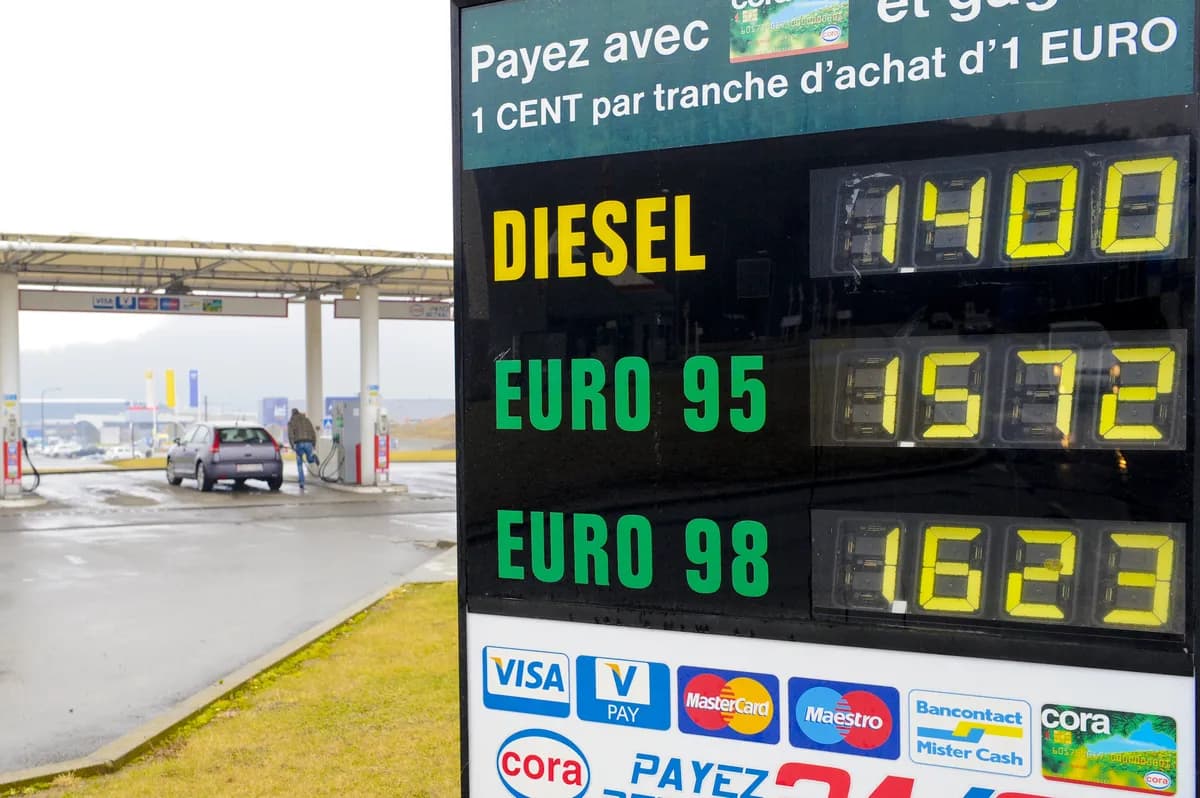
According to sources, the oil price has risen sharply since Friday as an effect of the war in the Middle East and the closure of the Strait of Hormuz. Major media reports that the Iran war has put at risk some of the world's most critical oil and gas infrastructure, with strikes by Iranian drones disrupting operations. The effective closure of the Strait of Hormuz choke point for shipping due to risk of Iranian strikes has left some 20% of the world's oil and liquefied natural gas with nowhere to go, according to major media.
Oil fields in countries including Iraq have cut back output as storage fills up, and Qatar, a major supplier of liquefied natural gas, has shut down its exports. 97 the day before the war started to almost $103 on Monday, according to major media. The Ras Laffan liquefied natural gas terminal in Qatar was shut down by state-owned QatarEnergy following a drone strike, and Qatar produces 20% of the world's liquefied natural gas.
QatarEnergy is citing force majeure, meaning it's unable to supply its contracted customers due to circumstances beyond its control. Ras Tanura port and refinery in Saudi Arabia was temporarily shut down after a drone impact caused a fire. ' It is unknown whether other critical energy infrastructure beyond those listed has been affected by the conflict.