

The International Energy Agency described the conflict as causing the largest disruption to the global oil market in history. Brent crude oil prices reached $106 per barrel as of a Monday morning, according to research from eight sources. LNG prices rose by almost 60% since the start of the war, Muyu Xu, senior crude oil analyst at Kpler, said. The Strait of Hormuz, which carries about 20% of global oil and LNG supplies, has been disrupted, according to research. QatarEnergy suspended LNG production after an Iranian drone attack on March 2, research from eight sources confirmed. Oil production of Kuwait, Iraq, Saudi Arabia, and the UAE dropped by 6.7 million barrels per day by March 10, according to research. There is some discrepancy in reported peak prices: some sources indicate Brent spiked briefly to around $120 per barrel, while others report $106. The duration of the spike is also uncertain, with some reports suggesting prices remain elevated and others stating the spike did not last long.
The war has caused a systemic collapse of the Gulf Cooperation Council economic model, according to research from eight sources. The maritime blockade triggered a grocery supply emergency across GCC states, with 70% of food imports disrupted, research showed. Iranian strikes on desalination plants threatened drinking water in Kuwait and Qatar, according to research. These developments have compounded the economic shock, affecting food security and basic utilities in the region.
The oil crisis triggered by the US-Israel war on Iran has permanently shifted global energy markets away from fossil fuels toward renewables and nuclear power.
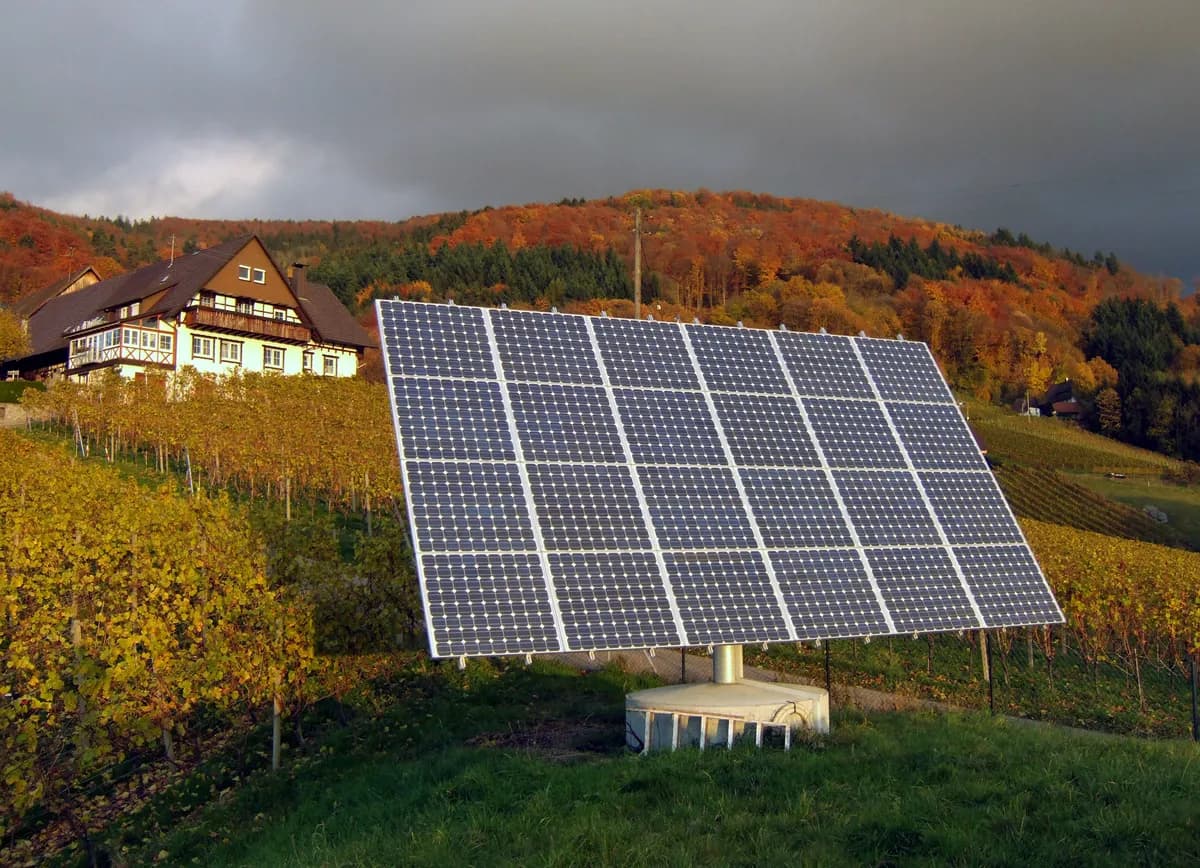
According to The Guardian - Main UK, Fatih Birol, executive director of the IEA, described the oil crisis triggered by the US-Israel war on Iran as having permanently shifted global energy markets away from fossil fuels toward renewables and nuclear power. Birol said a key effect is that countries will lose trust in fossil fuels and demand for them will reduce. He added that governments will review their energy strategies, leading to a significant boost to renewables and nuclear power and a further shift towards a more electrified future. Birol stated that the crisis will have permanent consequences for global energy markets for years to come. He noted that continuing high fossil-fuel prices could tempt developing countries to turn to coal, but solar is competitive with coal on cost and is growing faster. Birol said renewables offer a no-regrets alternative and nuclear power is also likely to be increased.
Regarding UK energy policy, Birol told The Guardian - Main UK that expanding North Sea drilling, including the Jackdaw and Rosebank fields, would not change much for the UK's energy security, nor would it change the price of oil and gas. He said granting exploration licences for further new fields on commercial grounds won't provide significant quantities of oil and gas for many years, will not lower bills, and may not make business sense. Birol added that tiebacks (extending existing oilfields) should go ahead.
A key effect of the US-Israel war on Iran is that countries will lose trust in fossil fuels and demand for them will reduce.
The US objective is regime change in Iran, according to US President Donald Trump and Israeli PM Benjamin Netanyahu. Iran retaliated within four hours of the initial strikes, hitting Israel, US bases, and civilian infrastructure, research from eight sources reported. The status of the military campaign and Iran's retaliatory capabilities remain unclear.
The IEA agreed to release a record 400 million barrels of oil from strategic stockpiles in March, according to research. The US stock market is down less than 3% since the war began, research showed. The US economy shed 92,000 jobs in February 2026 and the unemployment rate ticked up to 4.4%, according to research. These indicators suggest a contained economic impact so far, but the full effects may take time to materialize.
Governments will review their energy strategies, leading to a significant boost to renewables and nuclear power and a further shift towards a more electrified future.
The maritime sector's push towards net-zero emissions suffered a small setback at the IMO MEPC meeting in October, according to IMO secretary general Arsenio Dominguez. The war has foregrounded the energy trilemma between energy security, affordability, and sustainability, according to SMW panellists. This tension is likely to shape policy debates as countries seek to balance competing priorities.
Several unknowns remain: the exact current Brent crude oil price and its evolution over the past week; how long the Strait of Hormuz will remain closed or disrupted; the extent of damage to QatarEnergy's LNG production capacity and when it will resume; specific government actions in response to the crisis; and the status of the US-Israel military campaign and Iran's retaliatory capabilities.
The crisis will have permanent consequences for global energy markets for years to come.
Expanding North Sea drilling, including the Jackdaw and Rosebank fields, would not change much for the UK's energy security, nor would it change the price of oil and gas.
Granting exploration licences for further new fields on commercial grounds won't provide significant quantities of oil and gas for many years, will not lower bills, and may not make business sense.
Tiebacks (extending existing oilfields) should go ahead.
Continuing high fossil-fuel prices could tempt developing countries to turn to coal, but solar is competitive with coal on cost and is growing faster.
Renewables offer a no-regrets alternative and nuclear power is also likely to be increased.