

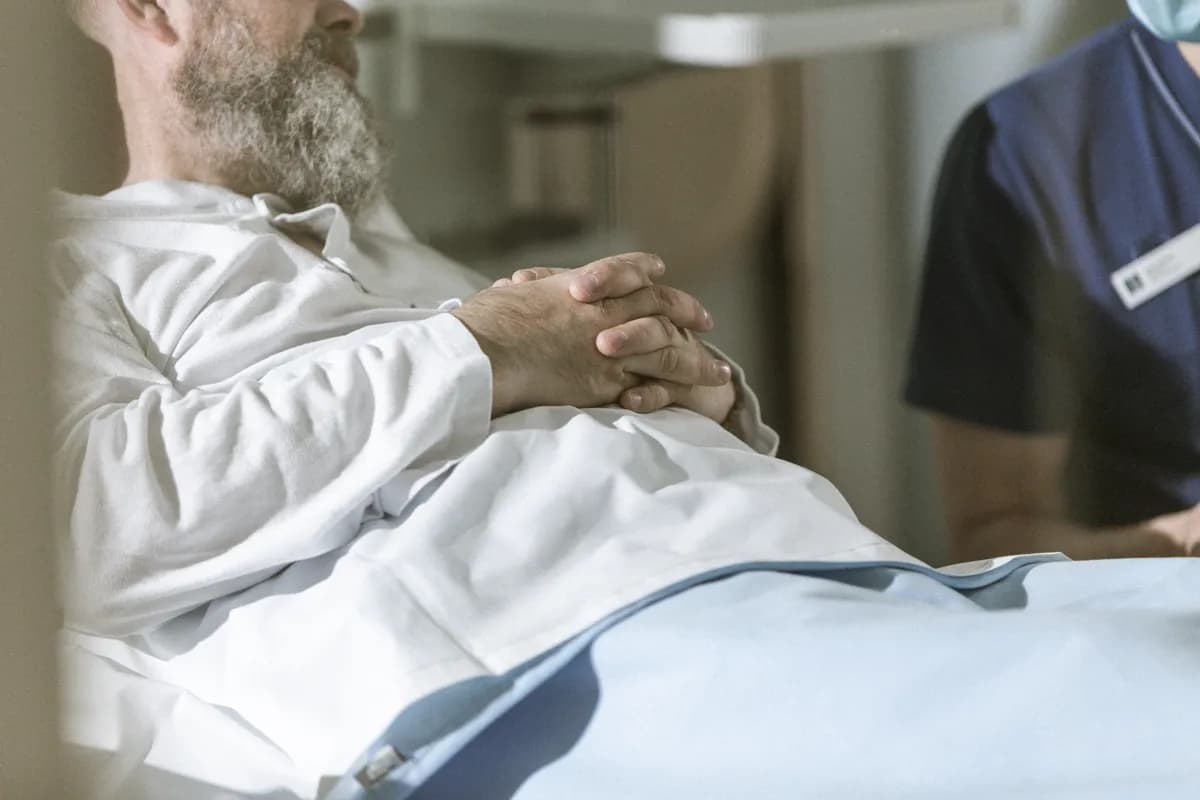
The man, who has been dubbed the 'Oslo patient,' was diagnosed with HIV nearly 20 years prior and had HIV-1 subtype B, the dominant strain in Europe and the Americas. He spent about 11 years on various antiretroviral drugs. In 2018, he developed myelodysplastic syndrome, a rare and unrelated blood cancer that strikes between 10,000 and 15,000 Americans per year and kills most patients within five years. Myelodysplastic syndromes are a group of blood cancers where immature blood cells in the bone marrow fail to mature properly, leading to low red blood cell counts, and the only cure is an allogeneic stem cell transplant, which replaces the patient's diseased bone marrow with healthy blood-forming stem cells.
After about two years of cancer treatment, doctors began looking for a stem cell donor with the same CCR5 gene mutation as the man. The CCR5 gene normally blocks HIV from entering the body's cells, and doctors hoped finding a donor with the CCR5 mutation would cure both the cancer and the HIV. This mutation affects about one percent of Europeans. When doctors failed to find a donor, they settled on the man's older brother, who was a match to at least treat the cancer. On the day of the transplant in 2020, genetic testing found the man's brother also carried the CCR5 mutation.
While the man is not the first patient to receive such a transplant, according to doctors, he is the first to get the healthy cells from a family member. Two years after the transplant, the man was able to stop his antiretroviral regimen, and he no longer has any trace of HIV in his body, as his immune system had been 'completely replaced' by his brother's.