

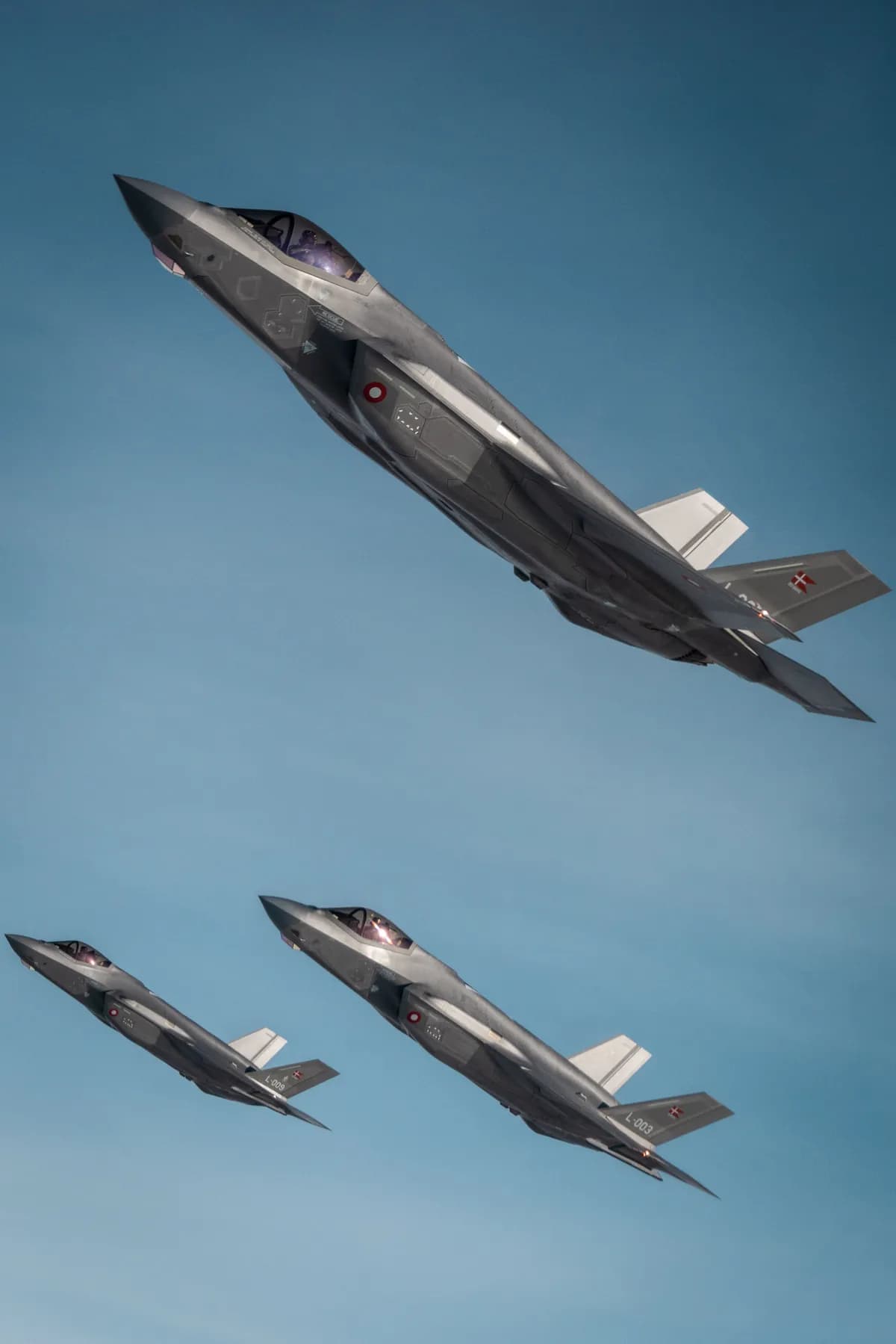
The current status reveals that all six Norwegian F-16 jets are immobilized in Belgium, facing substantial hurdles that prevent their deployment. Two of these jets were previously used to train Ukrainian pilots in Denmark and have been standing at a workshop in Belgium for over a year. The other four could not fly when sent from Norway and were delivered as parts in crates via a transport aircraft from Bodø in April 2025, also ending up at the same Belgian facility. There are significant capacity problems with maintaining and preparing F-16 jets at the Sabena workshop in Belgium, which is the main explanation for why the Norwegian F-16 jets are not yet in Ukraine.
Technical hurdles at the workshop are extensive, with the four jets delivered from Bodø requiring substantial work to become operational. The extent of work on these four jets is large, and it will take about a year to get them ready if Sabena starts the work now. The four jets delivered in crates to Sabena in Belgium lack around 100 parts each, so it will take a long time to assemble them. This extensive work and missing parts create a complex logistical challenge that has significantly delayed the jets' readiness.
Official acknowledgments from Norwegian defense leadership have clarified the situation, though earlier statements had implied a different reality. Defense Chief Eirik Kristoffersen acknowledged on Wednesday that the F-16 jets are not flight-ready. This admission contrasts with previous implications, as several representatives of the Norwegian government and defense have made statements giving the impression that Norwegian F-16 jets are in place in Ukraine. Defense Minister Tore O. Sandvik confirmed to NRK that none of the F-16 jets have arrived in Ukraine after being confronted with NRK's information.
From the Ukrainian perspective, the delay is critical, as the country faces a turning point in the war against Russia. Ukraine needs the Norwegian jets now because Ukraine is at a turning point in the war. The six jets would have saved lives in winter and better protected infrastructure, and Ukraine would have been able to shoot down more Russian missiles and drones. This urgent need highlights the operational impact of the delay on Ukraine's defense capabilities.
A contradiction has emerged between official statements and the reality of the jet deployment, revealing discrepancies in public messaging. Defense Chief Eirik Kristoffersen stated on March 27 that the F-16 jets donated by the coalition of Western countries are an important part of Ukrainian air defense now. However, none of the six F-16 jets promised by Norway have arrived in Ukraine for use in the war against Russia. This discrepancy underscores a gap between projected support and actual delivery.
Workshop capacity unknowns persist, with specific problems at the Sabena facility and broader coalition delays raising questions. The significant capacity problems with maintaining and preparing F-16 jets at the Sabena workshop in Belgium are the main explanation for why the Norwegian F-16 jets are not yet in Ukraine. These capacity issues, combined with the extensive work required on the jets, suggest deeper logistical challenges in the coalition's support efforts.
Delivery method questions also arise, particularly regarding why Norway sent four jets as parts and the original plan details. The four other F-16 jets could not fly when sent from Norway and were delivered as parts in crates via a transport aircraft from Bodø in April 2025. This delivery method, necessitated by the jets' non-flight-ready state, has contributed to the assembly delays at the workshop.
Timeline uncertainties further cloud the picture, with no clear date for when the jets will arrive or become operational. The extent of work on the four jets delivered from Bodø is large, and it will take about a year to get them ready if Sabena starts the work now. This timeline indicates that the jets may not be operational until well into 2026, prolonging Ukraine's wait.
Impact assessment suggests significant military consequences from the delay, particularly regarding winter capabilities and ongoing operations. The six jets would have saved lives in winter and better protected infrastructure, and Ukraine would have been able to shoot down more Russian missiles and drones. The delay has thus created a capabilities gap that affects Ukraine's ability to defend against aerial threats during critical periods.
Implications for Western support extend beyond Norway, touching on the reliability of coalition military aid to Ukraine. The delays with the Norwegian F-16 jets, compounded by capacity problems at the Sabena workshop, raise questions about the overall effectiveness and coordination of Western assistance. This situation may impact trust in future aid deliveries and the coalition's ability to meet Ukraine's urgent military needs.