

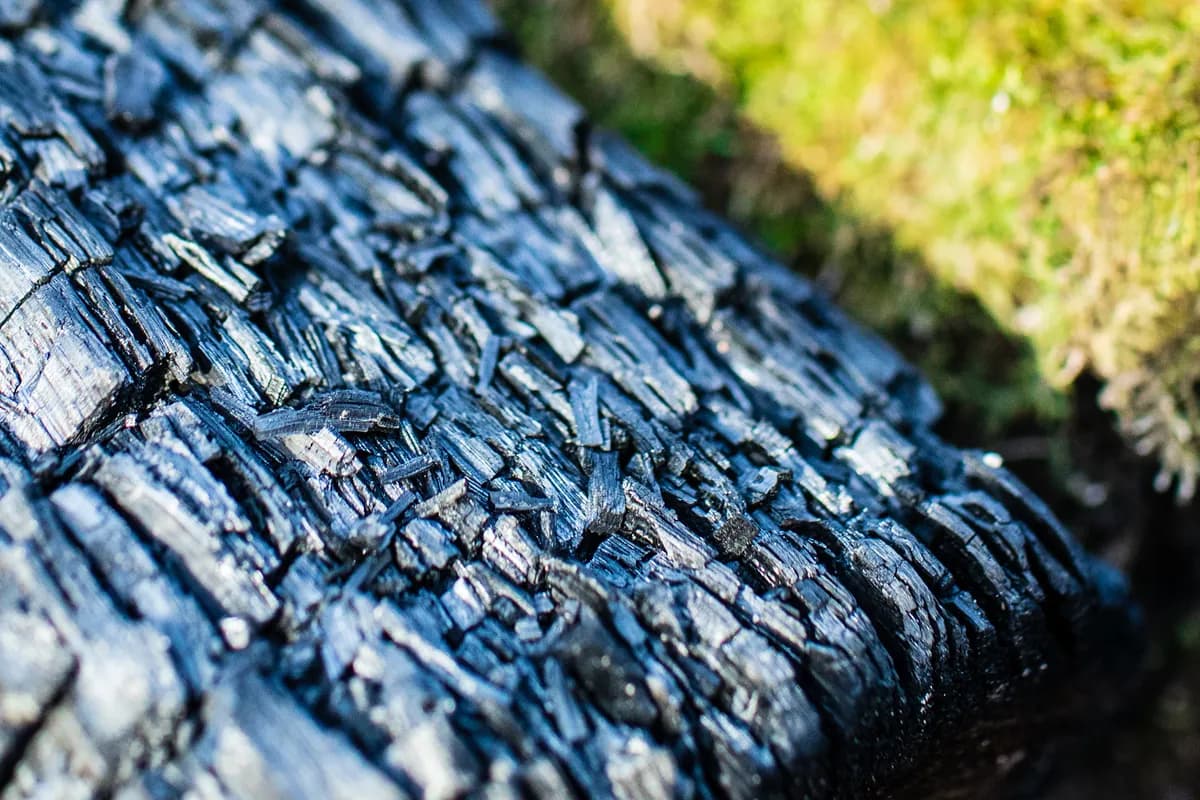
The ban applies to all uncultivated land, including forests, mountains, marshes, and coastal areas, and forbids lighting campfires, using campfire pans, disposable grills, or other open fire, except at approved campfire sites. This restriction is in place from April 15 until September 15, covering the peak fire season. According to Johan Marius Ly, division director at the Directorate for Social Security and Emergency Preparedness (DSB), it is currently very dry in many places in Norway and there have already been quite a few fires.
In 2025, there were 1,115 forest and grass fires, according to figures from DSB, with 756 of those fires occurring during the period with the campfire ban. Irresponsible campfire burning and use of open fire are the most common causes of fires in forests and uncultivated land, Ly noted, emphasizing that even a small campfire can quickly spread and get out of control. Bente Lier, Secretary General of Norsk Friluftsliv, echoed this caution in a press release, stating that a small spark can be enough for a fire to spread quickly, and even a small campfire can have major consequences, so it is important that everyone follows the rules and shows caution out in nature.
The specific penalties or enforcement measures for violating the ban have not been detailed, and it is unclear if there are exceptions beyond approved campfire sites, such as for controlled agricultural burning. Additionally, how the number of fires in 2025 compares to previous years remains unknown, as do the regions in Norway currently experiencing the driest conditions and what resources are available for the public to check local fire risk or ban status.