

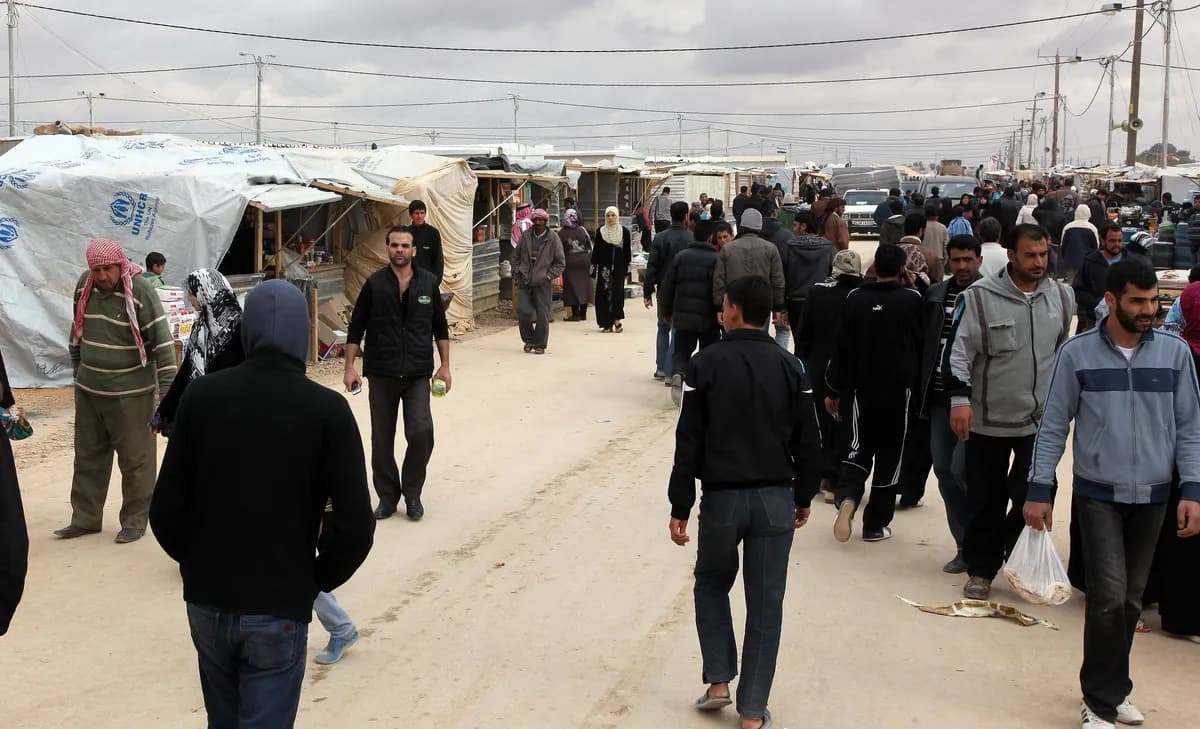
According to NRK Urix, Development Minister Åsmund Aukrust described Sudan as probably the worst place on Earth, with the three-year conflict representing what he called a shame for humanity. Multiple reports indicate the war has claimed tens of thousands of lives and forced nearly 12 million people to flee their homes, though the exact death toll remains difficult to assess, with some estimates suggesting it could exceed 100,000. The humanitarian catastrophe has left large areas famine-stricken, with the Red Cross reporting around 13 million people displaced internally and across borders.
Seven out of ten people in Sudan now live in poverty, according to UN assessments, creating what aid organizations describe as one of the world's most severe crises. Obstacles to delivering aid have compounded the suffering, with humanitarian assistance being weaponized by warring parties. According to NRK Urix, Åsmund Aukrust described this practice as a violation of international law that particularly affects the most vulnerable populations.
Sudan is probably the worst place on Earth. That the war has lasted for three years is a shame for humanity.
Regional dynamics have further complicated relief efforts, as the war in Iran and closure of the Strait of Hormuz have worsened the situation in Sudan by blocking maritime transport routes. Many emergency aid warehouses are located in Dubai, and transport cannot occur by sea as long as the strategic waterway remains closed, though the specific reasons why humanitarian aid is being blocked or used as a weapon in Sudan remain unclear. Norway is pursuing what it calls a three-track approach: pushing for an immediate ceasefire, facilitating emergency aid delivery, and starting a political process toward lasting peace.
According to NRK Urix, Åsmund Aukrust described Norway's priorities as focusing on Ukraine, Palestine, and Sudan in its aid allocations. The country is allocating 470 million kroner specifically for Sudan, with these funds channeled through the UN, Red Cross, Refugee Council, and World Bank. International donors have responded to the crisis with significant pledges, with a series of countries and organizations committing aid equivalent to 16 billion kronor to Sudan.
It is always only the parties that can stop the war. But all countries must use the contacts they have.
5 billion euros, equivalent to approximately 16 billion kronor, though when these funds will reach affected populations remains to be seen. Norway's broader global health commitments include contributing 600 million kroner to strengthen healthcare for women, children, and youth worldwide through the Global Financing Facility for Women, Children's and Youth Health (GFF). Norway is also strengthening support for the UN's work with displaced people in and from Ukraine with 260 million kroner, reflecting the global scale of displacement crises.
Since 2022, around 10 million Ukrainians have had to flee their homes due to the war, creating what has become Europe's largest displacement crisis since World War II. According to NRK Urix, Åsmund Aukrust expressed little optimism about the immediate future, describing Sudan as on the brink of collapse and warning that recovery will take years even after hostilities end. Foreign Minister Espen Barth Eide emphasized that only lasting peace with political unity can solve the war in Sudan, echoing what has become a consensus position among international observers.
Humanitarian aid is being used as a weapon. That is a violation of international law.
It concerns the entire region, but most of all the most vulnerable. Many of them are in Sudan.
We must make tough priorities. We have prioritized Ukraine, Palestine, and Sudan.
We are here with clear expectations for the bank's leadership. They must adapt to a more serious world.
There is no reason for optimism. It will only get worse and worse.
Sudan is on the brink of collapse. It will take a long time even after the war is over, before Sudan will be a well-functioning country in peace and security again.
This is money that will be used to build stronger health systems and provide support for health programs for mothers and newborns.