

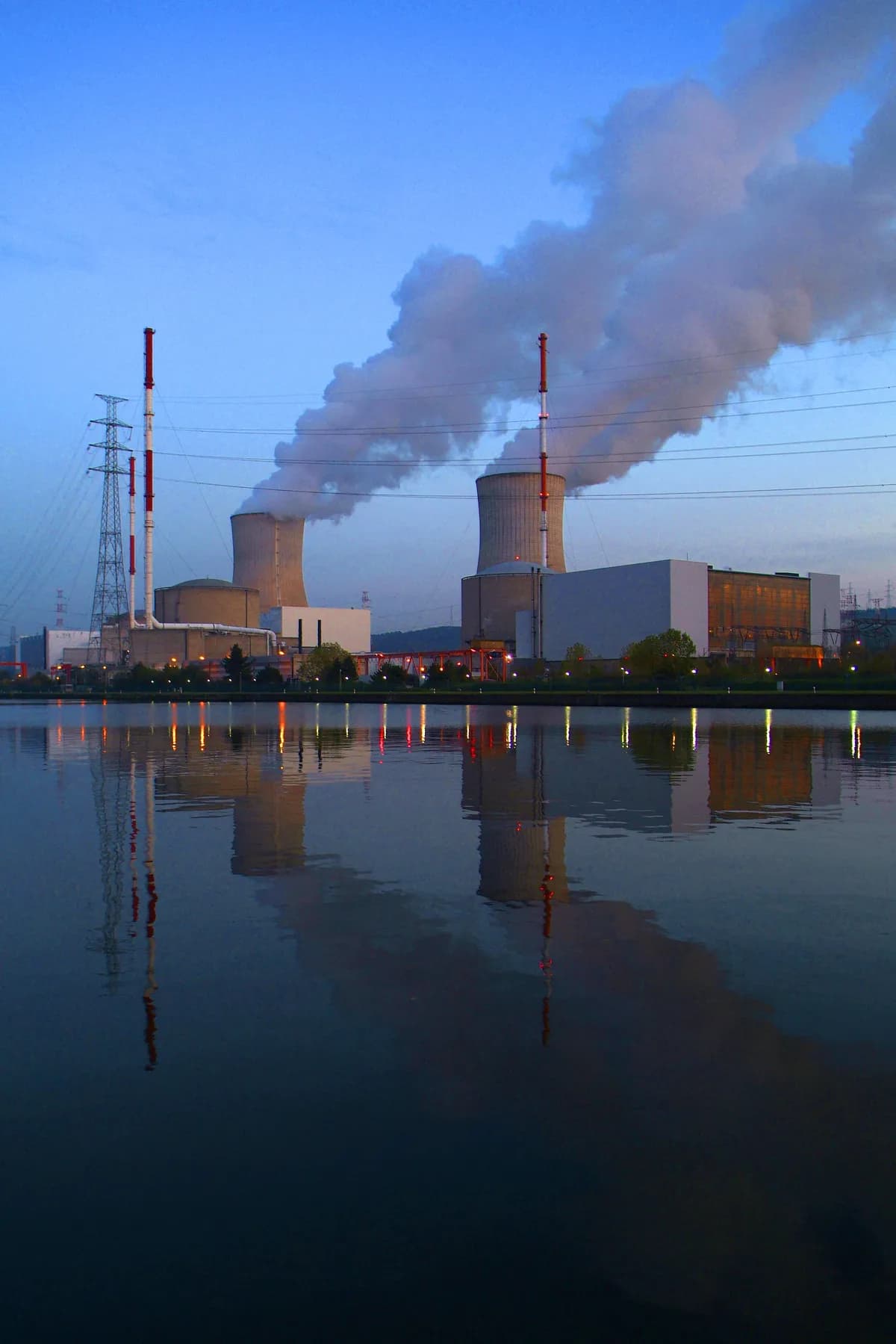
Multiple reports indicate that Norsk Kjernekraft has allied with the municipality of Austrheim, where the area is considered very suitable for a nuclear power plant. The plants in Austrheim aim to produce 10 billion kilowatt-hours of electricity annually, and with a founder's fee of three øre per kilowatt-hour, this could generate 300 million kroner yearly for founders, including 60 million kroner each for the municipalities of Austrheim and Alver, potentially for 100 years. In February, the government gave Norsk Kjernekraft green light to start a consequence assessment for a potential plant on the border between Aure and Heim, with mapping on Taftøya beginning this week alongside a South Korean group.
South Korean companies KHNP and KEPCO, noted for their expertise in nuclear construction, are involved, having received about 10 million kroner from the South Korean state for the project. Initial investigations suggest the ground conditions are stable with good granite, suitable for construction. The business model focuses on building local power for local industry, with municipalities initiating contact.
However, five municipalities have kept parts of their agreements secret, citing business-sensitive information, which has been described as unfortunate for trust. If realized, the project could employ about 500 people at the power plant and as many in nearby industry, with geology near the shoreline being investigated for a potential port. The nearby industrial area at Tjeldbergodden, with gas, port, road, and long tradition, is seen as an advantage, and success could make this one of Norway's largest land-based industrial lifts ever.
Skeptics, however, question the need for nuclear power in Norway, describing it as an energy nation with abundant renewable and fossil sources, not requiring large imports of uranium and technology. They also note Norway's flexible hydropower system enables more renewable energy integration than other countries, and highlight uncertainties, stating that small modular reactors are not yet built in the West, making costs and implications very unclear, and it is unclear how Norway will profit from the Taftøya project.