

Jodie Cantle has been offered new lungs on 17 different occasions over the past seven years, but each time the operation has been cancelled. The number of heart and lung transplants the NHS carries out each year has not increased in three decades, and the UK uses far fewer of the hearts and lungs it gets than most other countries, with just one in 10 lungs and one in seven hearts transplanted. Jodie Cantle described the constant uncertainty, saying she must always have her phone on hand and be ready to leave immediately if a match is found.
Outdated organ transport methods using ice boxes continue to be employed in many instances, which can cause hardening of transplant organs and lead to complications. Modern alternatives that keep hearts beating and oxygenated during transport are available but only part-funded by the NHS. In Glasgow, where modern alternatives are used more often due to additional financial support from the Scottish government, the transplant centre says it has 'substantially' improved its ability to accept donor hearts. The UK's five-year survival rates for heart and lung transplants lag behind the best in the world.
A groundbreaking pilot scheme by NHS doctors could see hundreds more organs become available for transplant each year, potentially saving countless lives across England. The pilot scheme focuses on extending the preservation time for donor organs, allowing for comprehensive checks to determine their suitability for transplant. Should the pilot prove successful, it would pave the way for the world's first national network dedicated to reconditioning organs. The pilot could result in an additional 750 organ transplants annually, marking a significant 19 per cent increase on current figures.
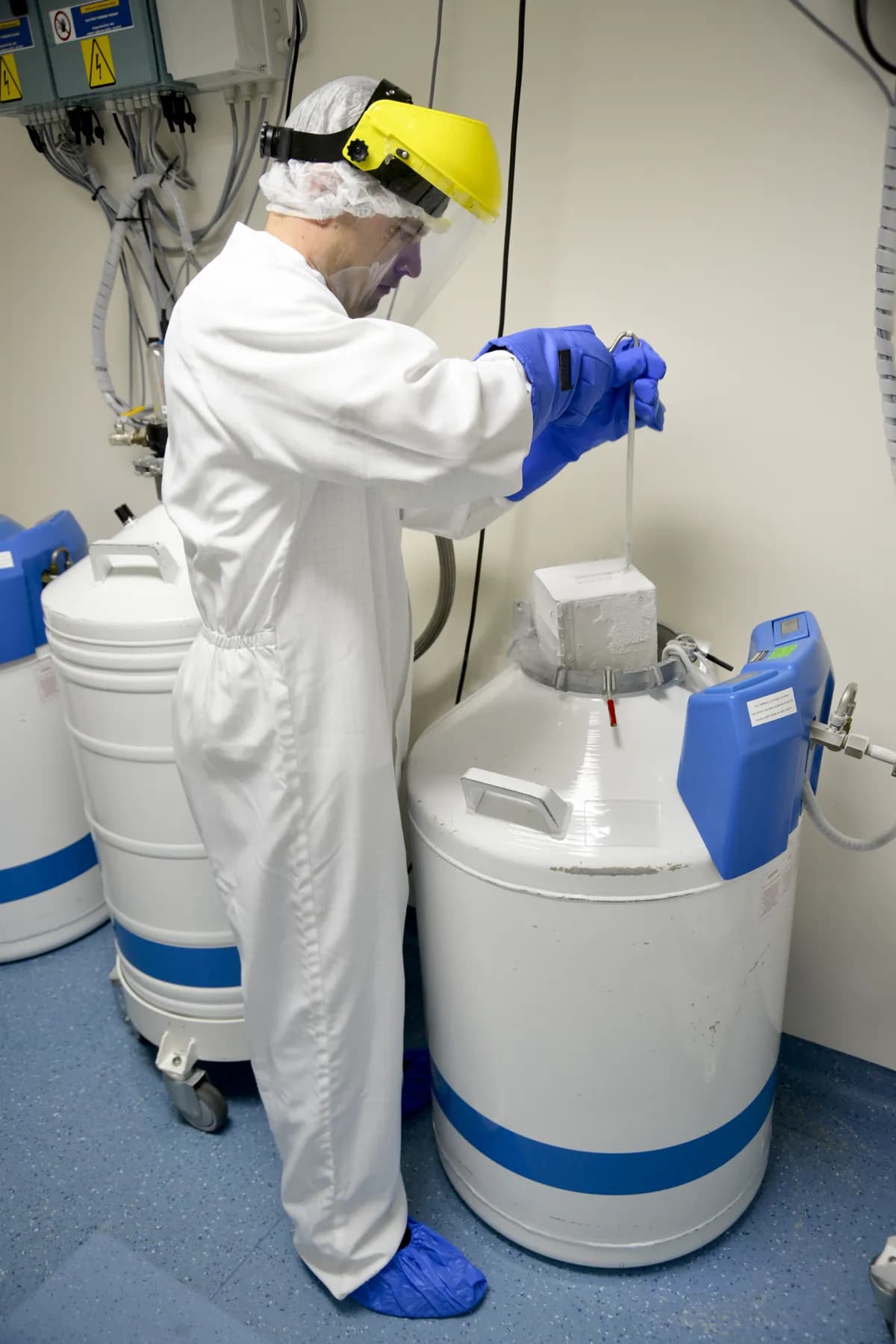
The additional transplants could include up to 202 more liver transplants, 202 more lung transplants, and 345 additional kidney transplants. Perfusion is a technique for circulating oxygenated blood or nutrient-rich fluids through organs, preserving their function and enabling more time for them to be assessed. Perfusion extends preservation time beyond the standard ice box method, allowing organs to remain viable until theatre and staff are available, with hearts potentially lasting eight hours instead of three and livers up to 12-24 hours, while also enabling functionality assessment.
You try not to let it take over your life, but it does. You always have to have your phone on hand - if they get a match for lungs, I've got to drop everything and leave immediately.
The first lung pilot centre has opened at Royal Papworth Hospital in Cambridge, and will be followed by lung pilot sites at the Freeman Hospital in Newcastle and Harefield Hospital in London. Some 12 liver and kidney pilot centres will also open in the coming months. The Freeman Hospital in Newcastle upon Tyne will use new methods to preserve organs such as lungs, livers and kidneys for longer. Newcastle has been at the forefront of innovation in organ perfusion since 2009 and this scheme gives them the chance to use their expertise to help transform transplant care nationwide by extending viability and testing organs.
NHS Blood and Transplant says changes are needed to save more organs owing to the record high transplant waiting list, which is consistently over 8,000 people. The potential donor pool is falling as people live longer and have long-term health conditions. The opt-out law, introduced in England following a Mirror campaign, has changed the culture and attitude of its people toward organ donation, but it has not reversed the trend of declining donor availability.
Experts believe the new data recorded for mortality rates for each individual NHS surgeon has hit the number of operations carried out. A patient in imminent danger of death whose heart was expected to stop at any stage highlights the urgency of transplant services. The government told the BBC it would be writing to the NHS demanding that it 'urgently implement' recommendations, first set out in 2024, to make transplant services 'fit for the future'.
Some trusts already have perfusion techniques but the aim is to standardise practice and create a network. The exact timeline for the rollout of the 12 liver and kidney pilot centres remains unclear, and it is unknown how many patients have been affected by cancelled transplant operations like Jodie Cantle's due to issues such as theatre unavailability or organ quality. Specific barriers preventing the NHS from fully funding modern organ transport alternatives like perfusion machines nationwide have not been specified, and it is not known how many senior surgeons have left the UK transplant system or the exact impact on transplant capacity.