

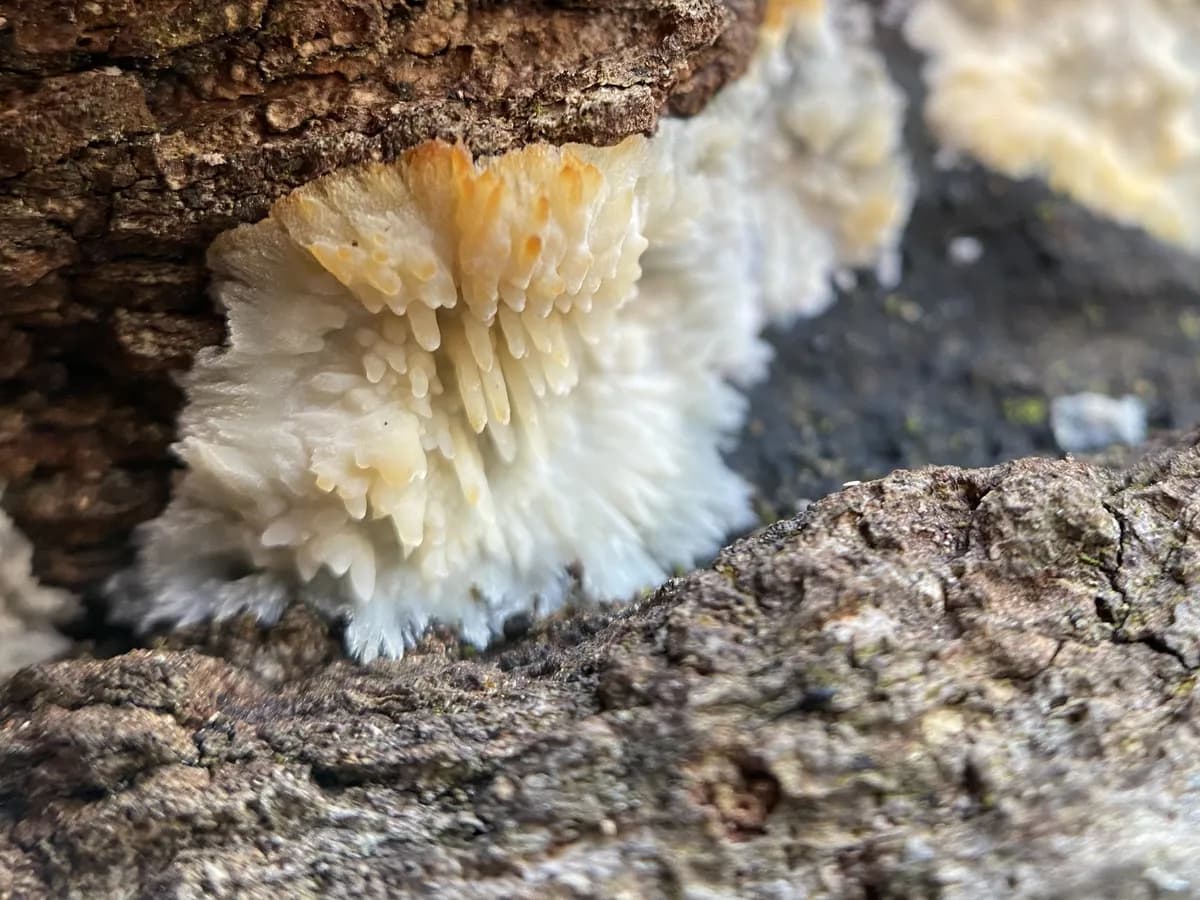
Multiple reports indicate a new zombie fungus has been discovered in western Sweden. The fungus, named Gibellula attenboroughii, takes control of the spider's behavior before killing it, according to major media sources. After the spider dies, the fungus uses the spider carcasses to spread its spores, the same sources said. The exact location in western Sweden where the fungus was found remains unknown, and it is unclear which specific spider species in Sweden were infected by Gibellula attenboroughii.
Mosquito researcher Anders Lindström discovered the fungus while mosquito hunting in a mine earlier this year, according to major media. Lindström took photos of the find and later uploaded them to a mushroom group on Facebook, where it was identified as this fungus, multiple reports indicate. Sveriges Radio first reported the find in Sweden, according to major media. According to NRK Urix, Anders Lindström described his discovery process, noting he often explores caves and mines for overwintering mosquitoes and encounters many moldy animals.
I am quite often in such caves and mines looking for overwintering mosquitoes. Then I see a lot of animals that are moldy.
The fungus is not dangerous to humans, major media sources report. Gibellula attenboroughii is named after researcher and nature program creator Sir David Attenborough, according to major media. The first discovery of the species was made in one of his many nature programs in 2021, multiple reports indicate. According to NRK Urix, Håvard Kauserud described that none of these fungi attack humans.
Until now, the fungus has only been found on two different spider species in Ireland and Northern Ireland, according to major media. The fungus likely exists in Norway as well but has been overlooked, multiple reports indicate. This species is not currently registered in the Norwegian species database, according to major media. Other species in the Gibellula genus are registered in Norway, the same sources said. According to NRK Urix, Anders Lindström described that the fungus likely exists in Norway and has probably been overlooked, suggesting it might appear in earth cellars and old mines. According to NRK Urix, Håvard Kauserud described that other Gibellula species are registered in Norway, so finding this one would not be surprising. How widespread the fungus is in Sweden beyond the initial discovery site remains unknown, and the ecological impacts on spider populations are not yet clear.
Then it was identified as this fungus.
None of these fungi attack humans.
It likely exists in Norway as well. It has probably just been overlooked. If you look in earth cellars and old mines and caves, it will probably show up.
There are other species in this genus, Gibellula, that are registered in Norway. So it would not be a surprise if someone finds this one too.