

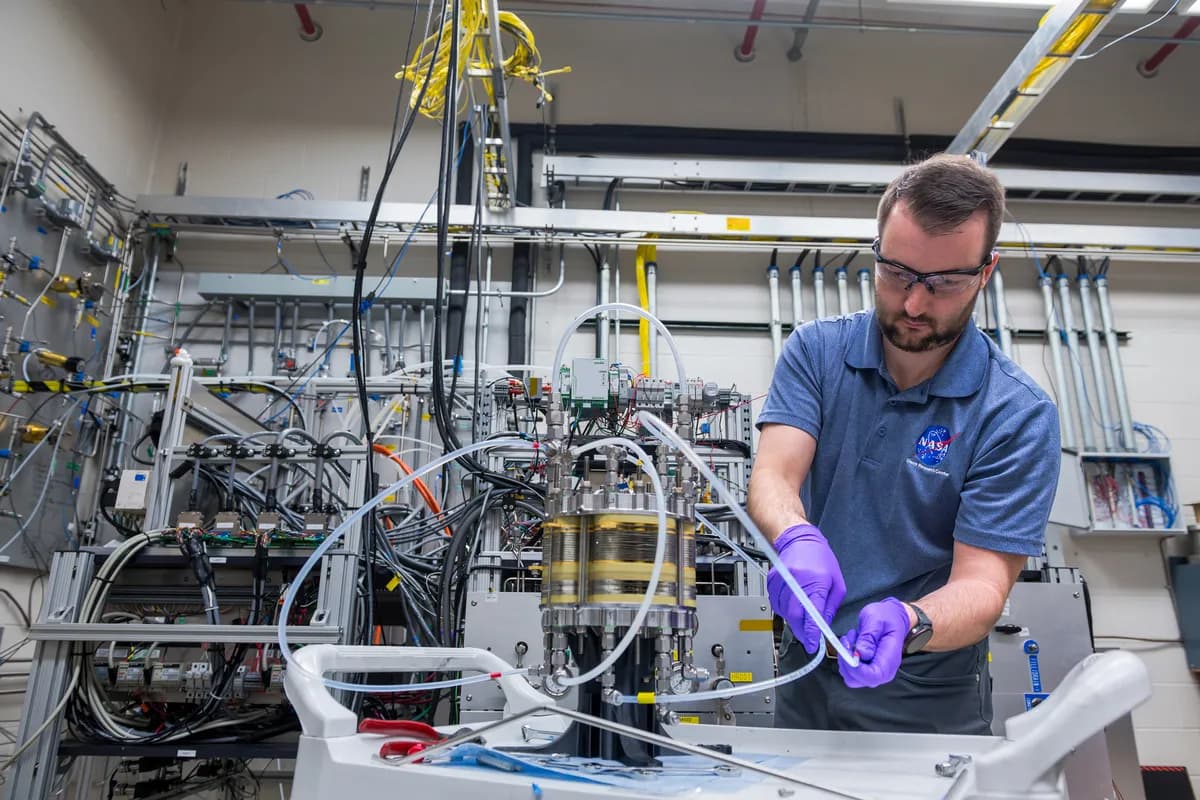
The regenerative fuel cell system, about as long as a sedan and as tall as a person, operates like a rechargeable battery by combining hydrogen and oxygen to produce water, heat, and electricity, then splitting water back into hydrogen and oxygen to recharge. According to NASA, the system can weigh less than comparable battery systems while storing the same amount of energy, and can operate during cold, dark lunar nights lasting nearly two weeks. The recharging capability would reduce the need for new supplies from Earth.
The system was designed and assembled at NASA Glenn and contains nearly 270 sensors and 1,000 components. Dr. Kerrigan Cain, lead engineer for the team, described it as "a behemoth; it's a researcher's dream." He added that the technology is ideal for habitats, rovers, and other systems under Artemis, fitting into the puzzle of sustainable lunar presence.
The upcoming tests are the culmination of over five years of work. Initial testing was completed in 2025 to understand basic functions and make modifications. The team is now preparing to operate the complete system, storing hydrogen and oxygen gas generated during recharge for the first time. During tests, researchers will operate the system remotely from a control room, and once powered up, it can operate autonomously without intervention.