

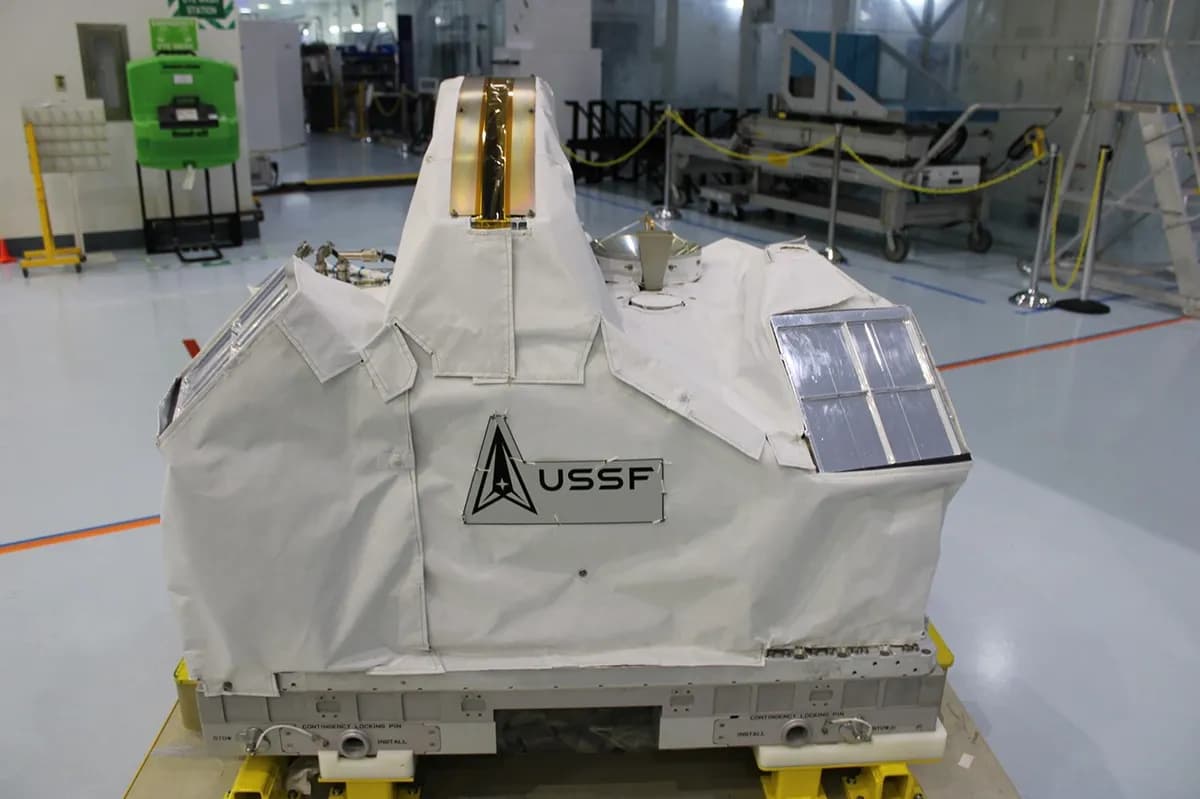
According to NASA, space weather can affect satellites and power grids, and the ring current tends to fluctuate dramatically during solar storms. Changes in the ring current can lead to magnetic fluctuations and induced currents on the ground, affecting pipelines and power lines. It can also contribute to charge buildup on satellites, sparking glitches, and transfer energy to the upper atmosphere, heating it and increasing drag on satellites. 'These particles have important space weather impacts,' said Alex Glocer, STORIE principal investigator at NASA's Goddard Space Flight Center.
STORIE is scheduled to launch in May aboard the 34th SpaceX commercial resupply mission to the ISS as part of the Space Test Program – Houston 11 payload, a partnership between the U.S. Space Force and NASA. A few days after arrival, it will be robotically installed on the exterior of the ISS, looking outward at the ring current. Direct study is difficult because the particles are invisible, but STORIE will scan for energetic neutral atoms formed when charged particles escape by stealing electrons from Earth's exosphere. 'You can't just image them with a camera,' Glocer added. How the ring current grows and shrinks and its precise composition remain unknown, questions the mission aims to answer.
These particles have important space weather impacts.
You can’t just image them with a camera.