

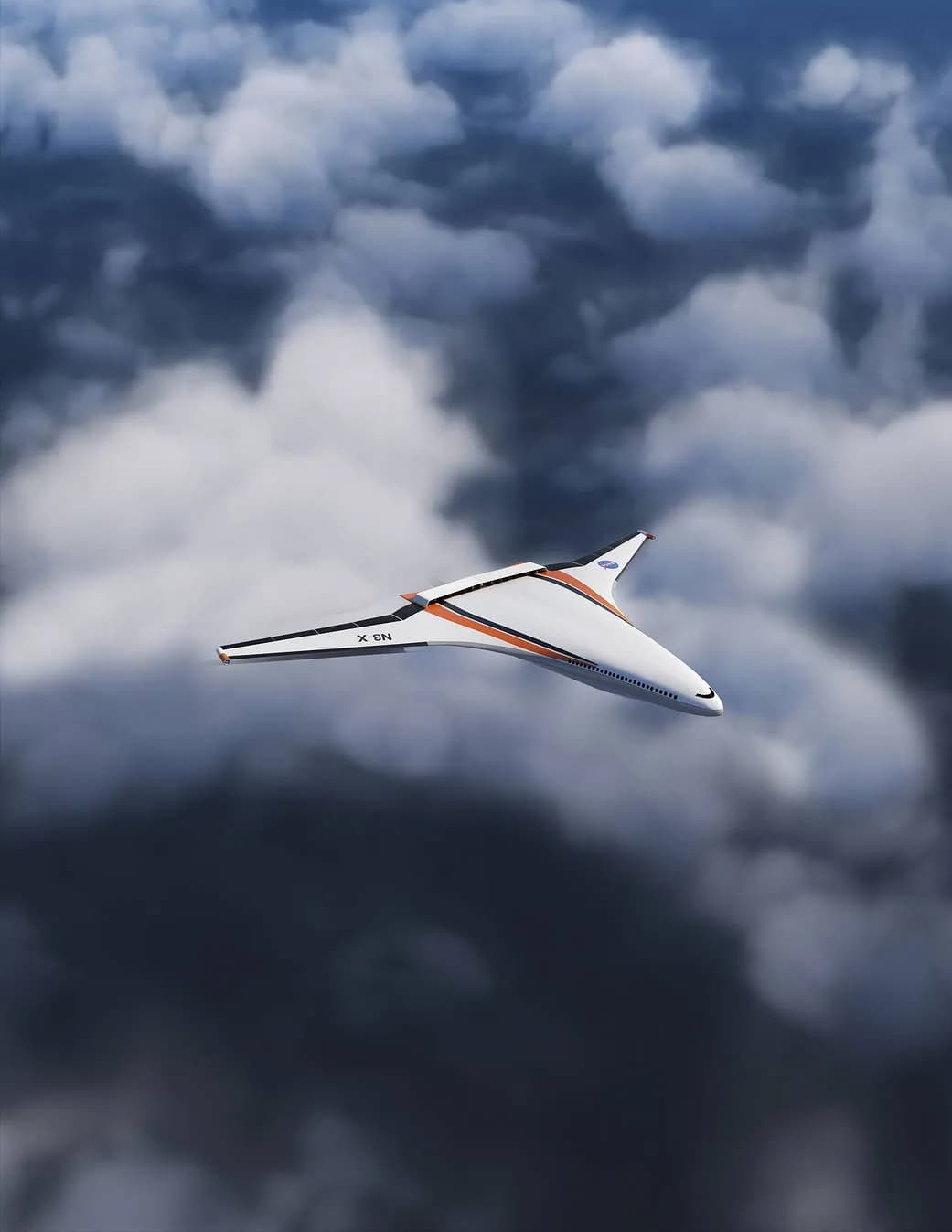
According to NASA, the SVTT research advances knowledge, technologies, and concepts that enable major steps to lowering operating costs of the next-generation single-aisle aircraft. The project works to advance these aircraft through efficient airframes, reduced fuel consumption and noise, and propulsion-airframe integration. S.
S. regional jets and smaller size aircraft. The specific timeline for the project's near-term, mid-term, and long-term goals has not been disclosed.
SVTT develops computer modeling and simulation tools to study the noise and performance of multi-rotor urban air mobility vehicles. Vertical lift vehicles have the unique ability to operate in confined areas, as evidenced by the emerging urban air mobility industry within the broader advanced air mobility industry. Advanced vertical lift capabilities support public good missions, such as disaster relief, emergency services, and medical transport.
The project's research includes new, efficient airframe designs, the emerging area of electrified aircraft propulsion, and the complementary gas turbine engine research needed to develop new engines to power the new vehicles. Although the SVTT project focuses on the long-term technology timeframe, it also contributes to both near-term and mid-term progress by demonstrating useful technology improvements along the way. The project's subsonic aircraft research enables revolutionary advancements in future aircraft performance to keep the nation ahead of global competitors.