

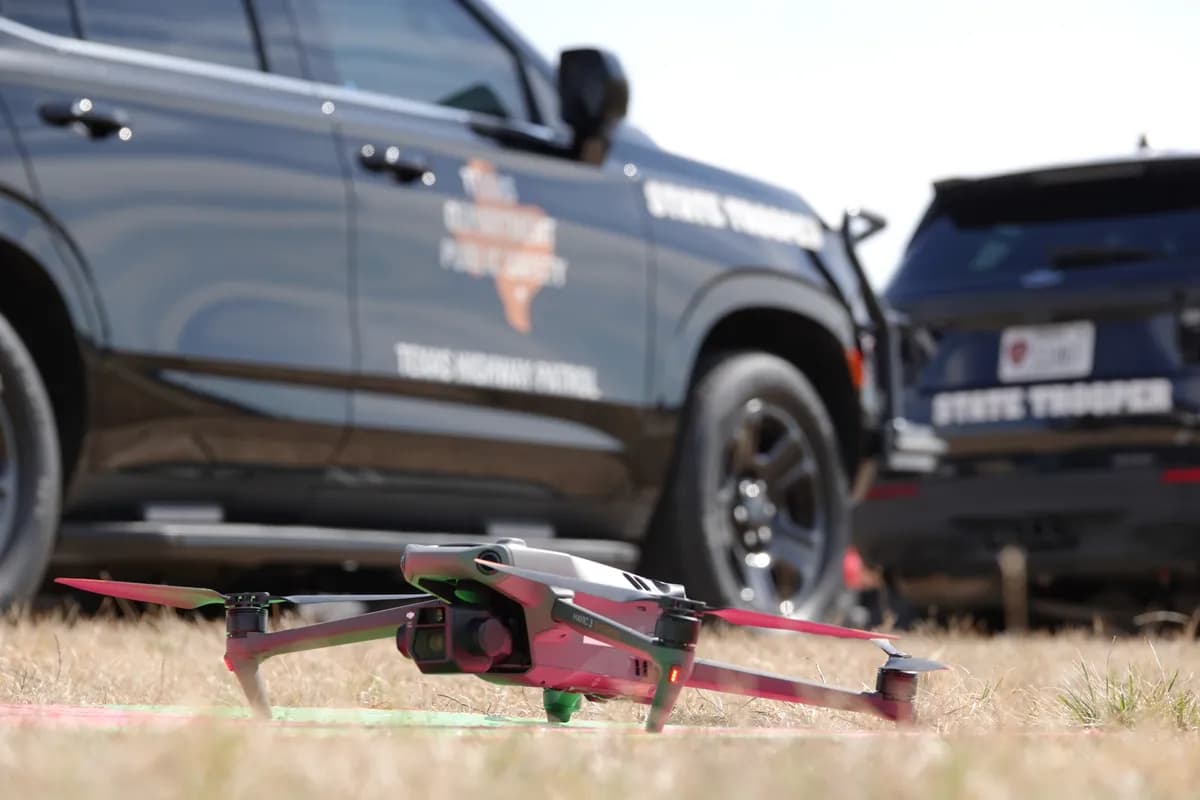
The test involved researchers from NASA Ames Research Center collaborating with local and state agencies, industry partners, and the FAA in an FAA-designated drone corridor. During simulated emergencies, officials communicated to prioritize access for the right drones, NASA said. The Texas testing highlighted differences between commercial flights and public safety missions, as emergency crews rarely fly predictable routes.
Abhay Borade, research lead at NASA Ames, said that just as ambulances use lights and sirens to signal vehicles to move out of the way, public safety operators require the ability to share airspace safely, prioritizing safety while balancing efficient use for all operators. Researchers collected data on unpredictable movements by having a drone follow an officer driving an SUV erratically, simulating a fleeing suspect. The result demonstrated NASA's tools for priority access, the agency said.
Participants included Drone Sense, Avision, ANRA Technologies, the FAA, the Texas Department of Public Safety, and the police departments of Fort Worth, Arlington, and Irving. However, when such systems will be implemented operationally remains unclear.