

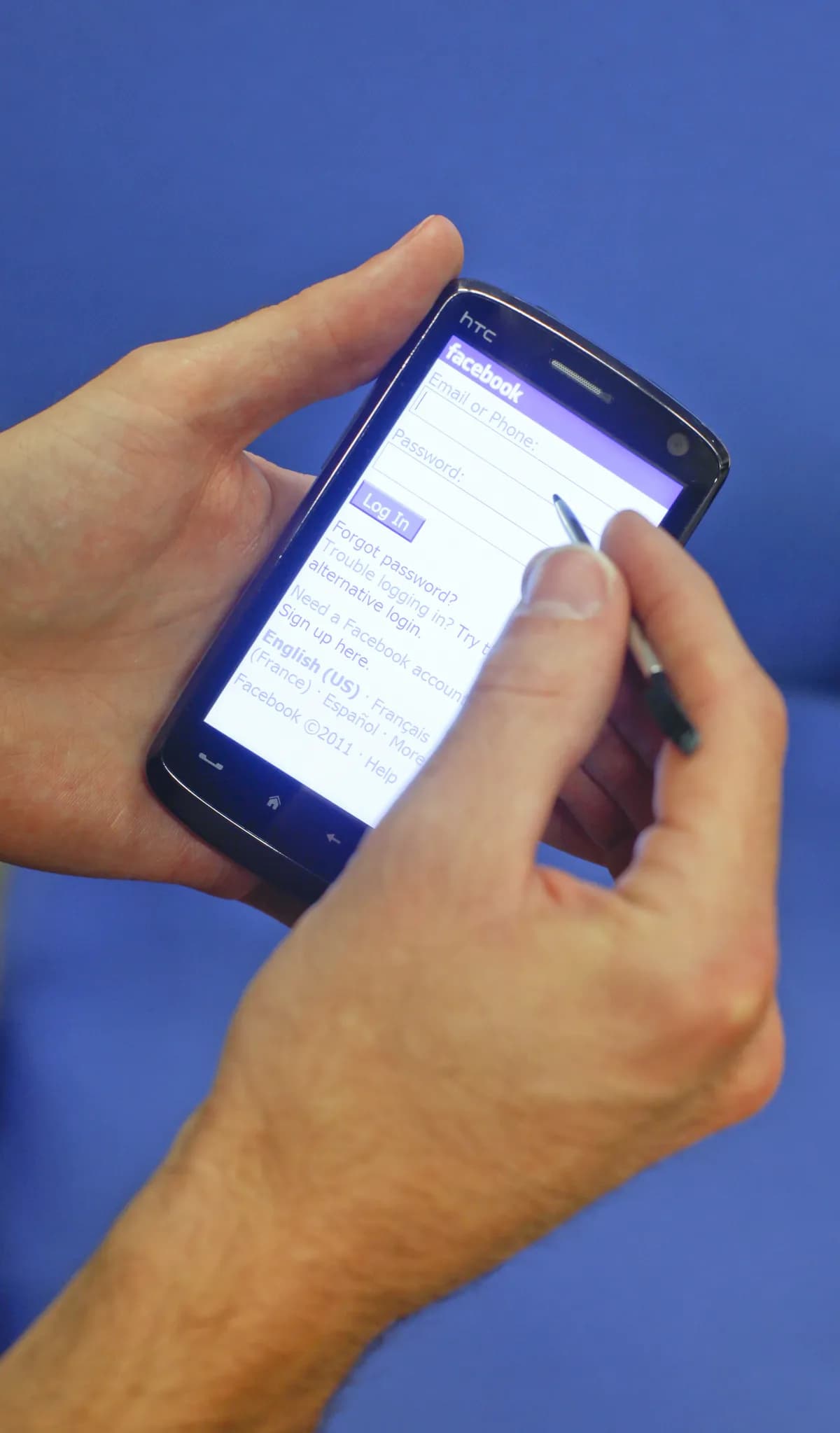
A new email scam targeting iPhone users claims their iCloud storage is full and urges them to upgrade, according to multiple reports. The emails include a button that leads to a malicious website designed to steal sensitive information. If users provide bank details or make a payment, scammers can steal additional funds or sell the data on the dark web. Some scam emails threaten that the iCloud account will be closed within 48 hours if no action is taken. Which? warned about the scam on Facebook, calling it a 'nasty scam'. The US Federal Trade Commission has issued a warning about the scam, advising users to contact Apple instead of clicking links. A victim shared on Reddit an email with subject 'Your iCloud storage is full' and text about exceeded storage. The scam email is signed by 'The iCloud Team' and sent from 'noreply@email.apple.com', which is not a legitimate Apple address. The Guardian received an email from a victim with a more threatening tone, claiming all data would be deleted on a specific date.
In Finland, teleoperator Elisa's name is used in scam messages that direct users to phishing sites, according to multiple reports. Elisa advises not to give login credentials via links and to change passwords immediately if compromised. If bank details or card info are given, Elisa advises contacting the bank and filing a police report. Recent scam messages in Finland have also impersonated Suomi.fi, Tax Administration, Kela, Spotify, Netflix, OmaPosti, and Aktia. Meanwhile, PayPal users are warned about a '1p deposit scam' where fraudsters send a small amount and include a note with a fake support number. Which? reports that the scam begins with fraudsters posing as businesses and sending 1p to the victim's account. Calling the fake number connects to scammers who try to steal personal and financial information. PayPal stated it is aware of the scam and that the phone number is not associated with the company. PayPal encourages users to log in directly to the official app or website and report suspicious emails to phishing@paypal.com.
A new scam targets iPhone users via text message, claiming a fraudulent Apple Pay transaction and urging them to move funds to a 'safe account', according to multiple reports. Consumer Affairs shared details of the Apple Pay scam, noting it relies on social engineering. One victim was urged to call a number that connected to a scammer posing as an investigator, nearly losing $15,000. Apple advises users to screenshot suspicious texts and email them to reportphishing@apple.com. Apple, Microsoft, and Google will never contact users asking them to call a number or link to a specific website.
Bitdefender warned that a message about 12,739 EE reward points expiring in three days is likely a scam. Cybercriminals impersonate EE to lure users into clicking malicious links that lead to fake websites designed to steal login details. EE does not operate a points programme, the company confirmed. EE advises never clicking unknown links, not replying to suspicious messages, not calling the number, and not sharing personal details. Fake text messages have been sent claiming to be from EE and Vodafone, promising prizes from rewards schemes, according to research from three sources. EE first heard of the scam two months ago and since then 265,000 people had reported the fake text messages, an EE spokesperson said. Vodafone has the VeryMe Rewards scheme but says it never refers to it as the 'Vodafone Rewards Club'. The scam messages were sent via RCS, a more advanced type of messaging than SMS, and EE is unable to block them. EE is working with Apple and Google on the problem. Vodafone customers mostly do not receive the scam texts because RCS is not enabled on iPhones by the carrier. People on other networks are receiving the scam texts. The scam texts create a sense of urgency by stating that points will expire soon. If you have shared details with a scammer, take immediate action to protect your accounts. EE does not offer an EE points program; instead it has partnered with Airtime for rewards.