

Europe has seen the world's biggest growth in hotel bookings after more than four weeks of war in the Middle East, according to data from HotelPlanner.com. Hotel bookings in Europe are up 37 percent, with average nightly room rates rising 42 percent. Europe has experienced the biggest growth in revenues from hotels, combined with a fall in cancellations, which are down 71 percent. Hotels across Europe have performed the best amid the ongoing Iran conflict, with the assessment based on bookings from 28 February to 27 March in both 2025 and 2026.
In stark contrast, the Middle East is the most negatively impacted region by the ongoing conflict, with tourism across the region in freefall since the U.S. and Israel first launched strikes on Iran on February 28. In the Middle East, hotel bookings are down 63 percent, average nightly room rates are down 28 percent, and cancellation rates are up 163 percent. Hotels in the Middle East are suffering as a result of the conflict.
The war in the Middle East is upending lives and livelihoods in the region and beyond, dimming the outlook for many economies, according to analysts. Energy prices, supply chains, and financial markets are the main transmission channels for the war's economic impact, with regional effects varying significantly. The shock is global but asymmetric, with energy importers, poorer countries, and those with meager buffers more exposed. The war has caused serious disruption to the economies of the most directly affected countries, including long-lasting damage to infrastructure and industries. Large energy importers in Asia and Europe are bearing the brunt of higher fuel and input costs due to disruptions in the Strait of Hormuz.
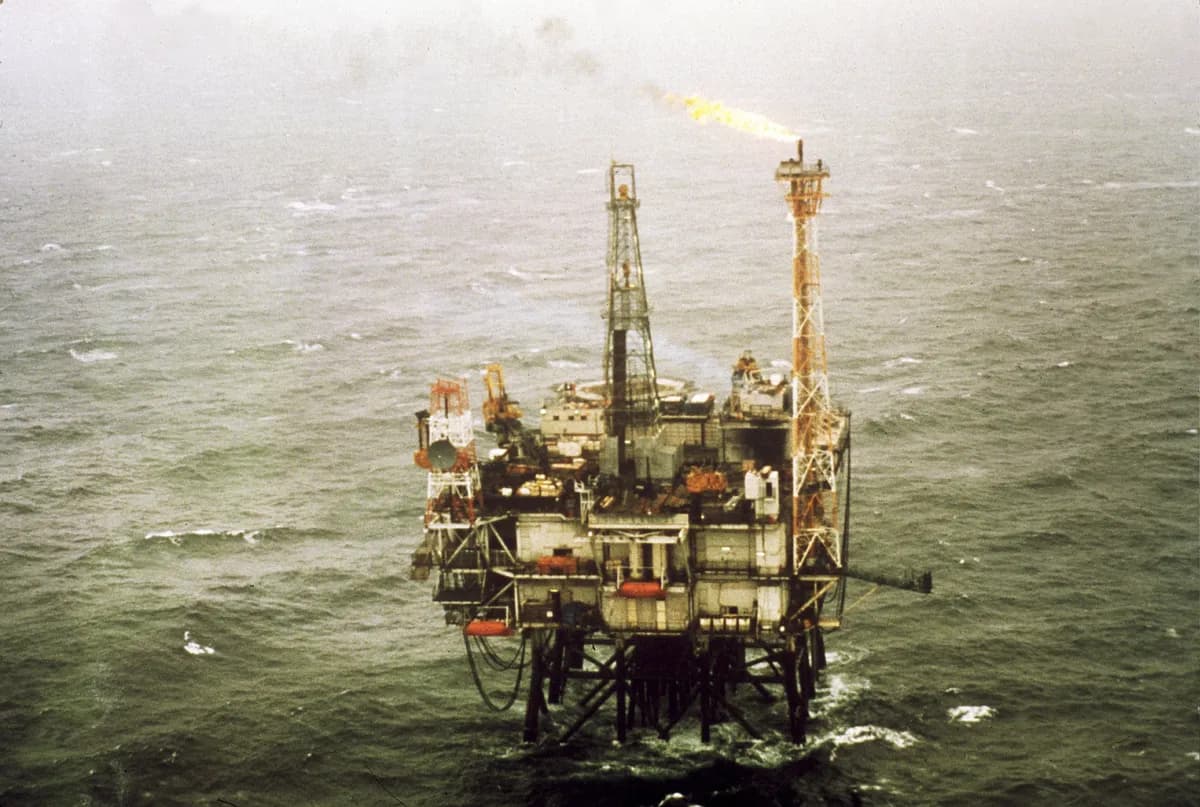
Energy is the main transmission channel, with the de facto closure of the Strait of Hormuz and damage to regional infrastructure causing the largest disruption to the global oil market in history, experts say. The escalating conflict between Iran, Israel, and the US is directly impacting international energy markets, with a rapid, sharp rise in wholesale gas and electricity prices since late February. Key oil and gas facilities across Gulf states have been damaged, including strikes on a major liquefied natural gas (LNG) production base in Qatar. Continuing threats against oil tankers in the Strait of Hormuz have effectively cut off this vital supply route, which carries a fifth of the world’s oil and gas supply. About a fifth of the world's oil passes through the Strait of Hormuz, around 20 million barrels each day. Global energy markets remain volatile, with Brent oil futures recording notable gains amid persistent geopolitical uncertainty.
The EU still relies on energy imports from other countries, making it vulnerable to global energy disruption, with 6% of its LNG imports coming from Qatar via the Strait of Hormuz. Euroconsumers members are seeing rising petrol station bills and fear rising home energy bills, with prices unlikely to return to previous levels even after conditions stabilize. In Italy, the average price of petrol and diesel has increased by at least 3% since the start of the conflict, with peaks of almost +6% for diesel between 25th February and 5th March. Italy has taken measures to reduce the price of gasoline and diesel at the pump by 25 cents per liter for 20 days starting March 19th. In Spain, gas prices have risen by 80%.
China is feeling the strain from the blockade of the Strait of Hormuz but is in a better position than its neighbours due to years of statecraft preparing for a global energy crisis. China uses an estimated 15 to 16 million barrels of oil daily, mainly for transportation, with much of it imported from Gulf countries like Saudi Arabia and Iran. Russian oil accounts for nearly a fifth of China's energy imports, making Moscow its biggest oil supplier despite sanctions. China is the world's largest coal producer, accounting for more than half of global production, and coal is the dominant source of power for most of its electricity.
The Middle East hospitality industry has faced severe disruption since the war, with hotel occupancies dropping significantly in some areas. Dubai hotel occupancy sank to 22.8% for the week ending March 14, the lowest level since April 2020, but rose to 28.2% the week ending March 21 due to Eid al-Fitr. Jeddah hotels averaged 55% occupancy levels over the first 11 days of Ramadan and settled at 57% after the initial conflict period, showing minimal impact due to domestic and religious tourism.
Tourists are shifting from troubled zones to coastal spots in southern Europe, with resorts from Lisbon to Andalusia reporting rising numbers. British travelers are turning to European destinations, with bookings to Portugal jumping by 42%, the Balearic Islands exceeding 40%, and the Canary Islands climbing 16%. French tourists are shifting travel choices, with 41% intending to alter destinations, 21% choosing to stay in France instead of going abroad, and 7-8% possibly dropping trips entirely. Germany sees lively late bookings for Easter, with Western Mediterranean spots drawing attention, and Spain maintaining a lead in traveler preference.
Asian economies are disproportionately affected by the Middle East crisis due to their dependence on oil and gas imports from the region. To cope with energy disruption, Asian countries have adopted measures such as Thailand promoting a shift from suits to T-shirts to reduce air conditioning use. In India, IT companies advised staff to bring their own food due to LNG shortages affecting cafeterias, and some implemented work-from-home policies. Several Asian countries, including the Philippines and Pakistan, have introduced a four-day workweek to cut fuel consumption.
Long-haul travellers are shifting away from Gulf hubs like Dubai, Doha, and Abu Dhabi, routing instead through transit points in Asia and Europe. Every day of war with Iran stops international tourists from spending €550 million in the Middle East. The Middle East accounts for 5% of global international arrivals and 14% of international transit traffic, so the impact on demand could be strong worldwide, particularly in Europe. Travel demand is being redirected rather than lost, with intra-regional travel showing robust momentum within Europe. Destinations with slower bookings include the Eastern Mediterranean (Turkey, Cyprus, Egypt, parts of Greece), while Spain, Portugal, and Italy continue to see strong bookings.
Africa is the second most negatively impacted region, with hotel bookings down 54 percent. Latin America, the Caribbean and Central America are the third most negatively impacted regions, with hotel bookings down 18 percent, though nightly room rates are up 6 percent. In Asia, hotel bookings have increased by 19 percent, but hotel rates have fallen and cancellations risen. North America is considerably up on 2025 in terms of hotel bookings, rates and fewer cancellations.
The heads of the IEA, IMF, and World Bank announced the creation of a joint coordination group to address the economic and energy fallout from the Middle East war. The group will monitor market disruptions, align policy analysis, and deliver targeted financial support to the most affected countries. The U.S.–Israel war on Iran continues, with heavy military activity reported across multiple fronts, including airstrikes and retaliatory attacks in Kuwait and Bahrain.
The World Economic Forum's Global Risks Report 2026 ranks geoeconomic confrontation as the foremost short-term concern.