

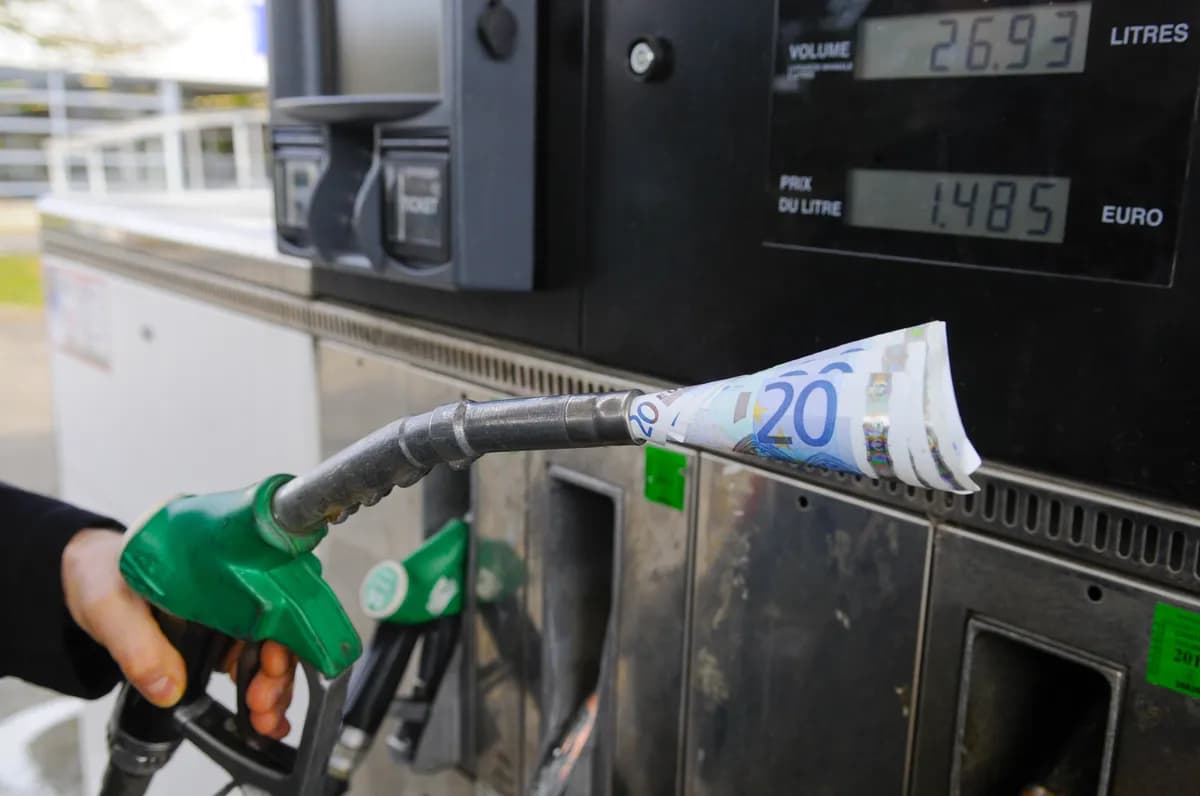
The de facto closure of the Strait of Hormuz has produced the largest disruption to the global oil market in its history, according to the International Energy Agency. Oil production of Kuwait, Iraq, Saudi Arabia, and the UAE collectively dropped by 6.7 million barrels per day by 10 March, and by at least 10 million barrels per day as of 12 March, based on research from three sources. The strait's closure has devastated Asian energy importers, as about 84% of crude oil and 83% of LNG that passed through the waterway in 2024 was bound for Asia, according to the US Energy Information Administration. China, India, Japan and South Korea accounted for nearly 70% of oil shipments through the Strait of Hormuz, the agency added. Large energy importers in Asia and Europe are bearing the brunt of higher fuel and input costs, according to research from multiple sources.
The coordinated attacks on Iranian military, nuclear, and leadership sites included the reported killing of Supreme Leader Ayatollah Khamenei, according to research from multiple sources. This came just after a third round of nuclear talks in Geneva had concluded with the Omani mediator reporting 'significant progress', the same sources said. US President Donald Trump, in a direct address to the Iranian people, called for them to 'take over your government'. Israeli Prime Minister Benjamin Netanyahu framed the goal as 'removing an existential threat'. Iran retaliated within four hours, hitting Israel, US bases in Bahrain, Kuwait, and Qatar, and civilian infrastructure across the Gulf, according to research from multiple sources. President Trump said the war could last up to four or five weeks.
US President Donald Trump's direct address to the Iranian people called for them to 'take over your government'.
QatarEnergy suspended its LNG production on March 2 after an Iranian drone attack, according to research from multiple sources. Iraq halted all operations at its oil ports after an attack on two nearby tankers, the same sources said. Bahrain told residents to stay at home after an Iranian attack on fuel tanks. These disruptions have worsened the energy crisis across the region.
The maritime blockade triggered a 'grocery supply emergency' across Gulf Cooperation Council states, with 70% of food imports disrupted by mid-March, according to research from multiple sources. Retailers like Lulu Retail airlifted staples, resulting in a 40–120% spike in consumer prices, the sources said. Iranian strikes on desalination plants threatened the water supply in Kuwait and Qatar, which rely on desalination for 99% of drinking water, according to the same research.
Israeli Prime Minister Benjamin Netanyahu framed the goal as 'removing an existential threat'.
The regional aviation sector faced near-total cessation of operations due to multi-national airspace closures, according to research from multiple sources. Wall Street opened lower, with the Dow down 1.1% and the S&P 500 falling nearly 1%, the sources said. In Europe, the FTSE 100 fell by less than 1% and Stoxx 600 dropped by about 1%. Japan's Nikkei 225 index fell by 1.3%, as did Australia's S&P ASX 200, according to the same research.
The IEA ordered the largest release of government reserves in its history on Wednesday, with 32 members agreeing to release 400 million barrels of emergency crude, according to research from multiple sources. The US agreed to release 172 million barrels of crude oil from its strategic petroleum reserve, the sources said.
President Trump said the war could last up to four or five weeks.
Iran's new supreme leader, Mojtaba Khamenei, called for the Strait of Hormuz to 'remain closed'. Iran's military command said 'Get ready for oil to be $200 a barrel'.
Economic forecasts diverge based on conflict duration. If the conflict is short-lived, oil and LNG prices would fall back sharply with Brent crude reaching $65 per barrel by year-end, according to Neil Shearing and team at Capital Economics. In case of a longer war, oil prices would rise further to around $130 per barrel in Q2, they said.
L'Oréal said it moderately outperformed the global beauty market and proved 'solid in the storm'.
The war has caused serious disruption to the economies of the most directly affected countries, including damage to infrastructure and industries, according to research from multiple sources.
Amid the global turmoil, L'Oréal posted a +4.4% year-on-year increase in first-quarter sales to €11.73 billion, according to research from six sources. The company said it moderately outperformed the global beauty market and proved 'solid in the storm'. China performed 'slightly better than expected' but conditions remained challenging in North Asian travel retail, L'Oréal said. CEO Nicolas Hieronimus said the US was more challenging than anticipated.
China performed 'slightly better than expected' but conditions remained challenging in North Asian travel retail.
The exact current Brent crude oil price and its evolution over the past days remain unclear, as different reports cite varying levels. The precise percentage of global oil that transits the Strait of Hormuz is also disputed, with some sources saying about 20% and others claiming 25 to 30 percent. The current status of QatarEnergy's LNG production and exports is uncertain, as is the actual duration of the conflict and the full extent of the humanitarian crisis in the Gulf region, including food and water shortages.
Iran's new supreme leader, Mojtaba Khamenei, called for the Strait of Hormuz to 'remain closed'.
Iran's military command said 'Get ready for oil to be $200 a barrel'.