

The shock from the conflict is global but asymmetric, with energy importers, poorer countries, and those with meager buffers more exposed, according to research from six sources. The war has caused serious disruption to the economies of the most directly affected countries, including damage to infrastructure and industries that could become long-lasting. Low-income countries are especially at risk of food insecurity and may need more external support, the research indicates.
Shipments of oil and gas through the Strait of Hormuz are at a standstill due to Iranian threats to tankers, according to research from two sources. Global oil markets are well integrated, so this disruption is leading to a global spike in crude oil prices, research from six sources shows. The International Energy Agency has described the situation as the largest disruption to the global oil market in its history.
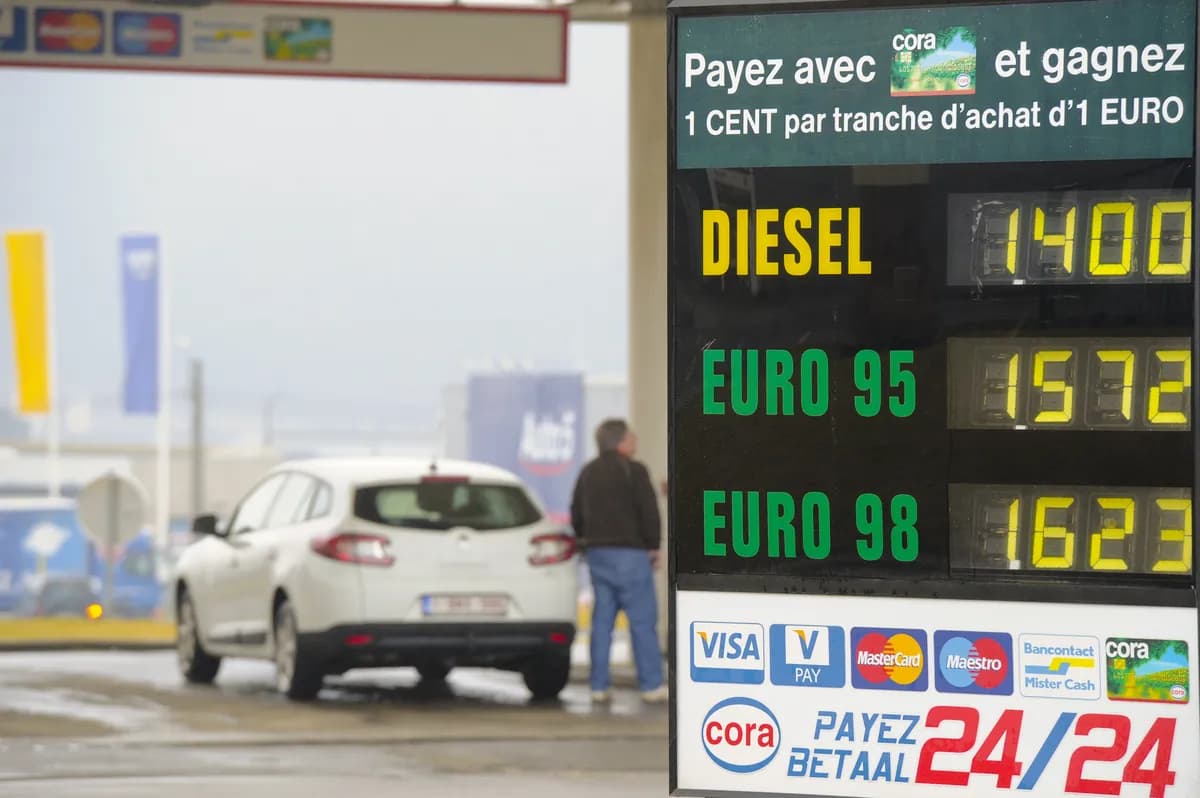
Benchmark US crude prices hover near $95 per barrel, a significant rise from prewar levels in the low- to mid-$60/bbl range, according to research from six sources. International prices for LNG have jumped more than 50 percent, although this spike has little direct effect on US consumers. US drivers are facing higher prices at the pump due to soaring crude oil costs, the research indicates.
Large energy importers in Asia and Europe are bearing the brunt of higher fuel and input costs due to disruptions in the Strait of Hormuz, according to research from six sources. In Asia’s large manufacturing economies, higher fuel and power bills are raising production costs and squeezing people’s incomes. The blockade has led to a global oil shortage, rocking Gulf-reliant Asian countries hard, the research shows.
Parts of the Middle East, Africa, Asia-Pacific, and Latin America face higher food and fertilizer prices and tighter financial conditions, according to research from six sources. The war could lead to higher prices and slower growth globally, with outcomes depending on conflict duration, spread, and damage. Clean energy technologies are not immune from supply chain disruptions stemming from geopolitical disputes, such as China’s restrictions on critical minerals, the research indicates.
The US and Israeli military strikes on Iran have sent global oil and gas markets spiraling, according to research from six sources. Since those strikes, resulting attacks have meant casualties, closed airspace, canceled flights, and warnings for travelers to leave the region. Oil prices have at points soared to close to $120 per barrel due to strikes and the effective closure of the Strait of Hormuz, the research shows.
As conflict destabilizes parts of the Middle East, ripple effects are reaching the region’s luxury economy, according to research from six sources. Before war broke out, the Middle East was one of the few growth regions for luxury globally. The current environment isn’t motivating people to shop, and any disruption will not be good for luxury companies.
The Middle East accounts for an estimated 5% to 6% of global luxury spending, according to Thomas Chauvet, head of luxury goods research at Citi. Citi estimates indicate Richemont derives roughly 9% of its revenue from the Middle East, while Swatch Group counts on the region for around 10% of its revenue. Research from six sources shows LVMH reported 14% of its revenue came from 'other markets' including the Middle East in 2025, and Kering said 9% of its 2025 revenue came from the 'rest of the world' including the Middle East.
The Philippines is mandating four-day work weeks to save fuel, and Indonesia is seeking ways to avoid burning through reserves that will last just weeks, according to research from six sources. China, the world's largest buyer of oil, is feeling strain but sits in a better position due to years of statecraft preparing for a global energy crisis. China uses an estimated 15 to 16 million barrels of oil daily, mainly for transportation, with much coming from abroad, according to various market analysts.
Gulf countries are a major source of oil for China, with Saudi Arabia and Iran accounting for more than 10% of its imports each, according to the US Energy Information Administration. China's north is mainly powered by domestically produced oil and pipeline imports from Russia, which are not disrupted by the war, research from six sources indicates. Russian oil accounts for nearly a fifth of China's energy imports, making Moscow its biggest oil supplier, the research shows.
The International Energy Agency proposed a collective release of 400 million barrels of oil from emergency reserves on 10 March, approved by all member countries on 11 March, according to research from six sources. The Swedish Energy Agency holds responsibility for Sweden’s emergency reserves, with the Swedish Government deciding on releases. About a fifth of the world's oil passes through the Strait of Hormuz, around 20 million barrels each day, according to the US Energy Information Administration.
The short-term impact on Swedish and European buyers is expected to be higher prices rather than supply shortages, with no immediate risk of physical shortages in Sweden, according to research from six sources. This contrasts with assessments that the blockade has led to a global oil shortage, particularly affecting Gulf-reliant Asian countries. The discrepancy suggests regional variations in impact and differing assessments of supply chain resilience.
The exact number of casualties and extent of infrastructure damage directly caused by the US and Israeli strikes on Iran and subsequent attacks remains unclear. How long the Strait of Hormuz is expected to remain effectively closed, and projected timelines for resuming normal oil and gas shipments, are also unknown. Specific measures being taken by governments or international bodies to reopen the strait or secure alternative shipping routes have not been detailed.
How low-income countries are planning to address food insecurity and secure external support amid higher food and fertilizer prices is another uncertainty. The specific impact on consumer confidence and spending patterns in the Middle East luxury sector beyond share price declines also remains to be seen. A 28% share price collapse for Bernard Arnault's empire shows how Middle East turmoil is reshaping consumer confidence, with a steeper decline than 2008 and Covid, according to research from six sources.
The Financial Times offers unlimited access for €1 for 4 weeks, according to major media reports. After the trial, the subscription costs €69 per month. The subscription provides complete digital access to quality FT journalism on any device. Users can cancel anytime during the trial. Users can discover all the plans currently available in their country.