

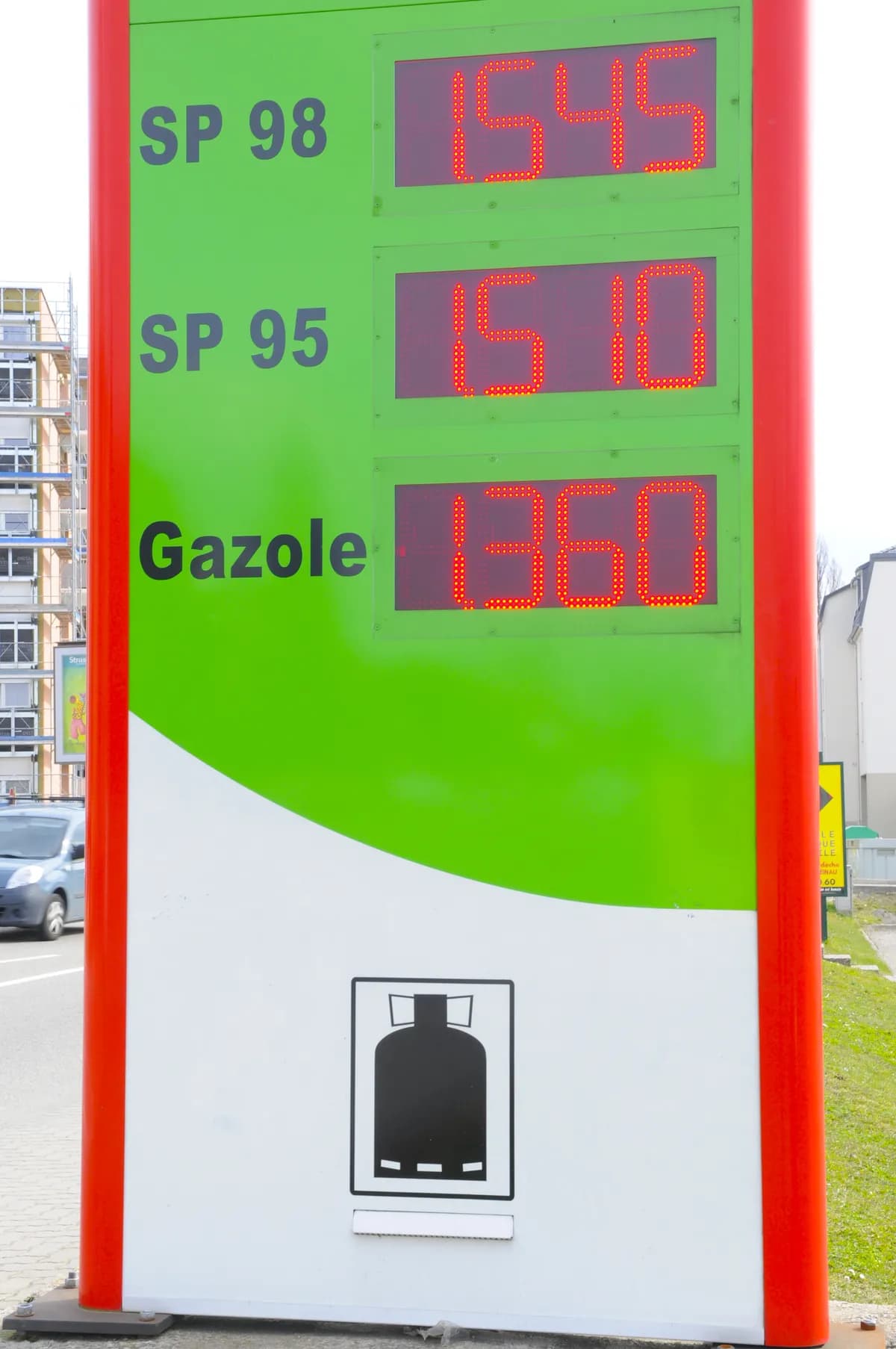
Yorkshire Buses, a UK bus operator, has ceased all operations immediately overnight. The company blamed rising costs, including fuel, for the shutdown, stating on its Facebook page on Tuesday, March 31, that it would immediately end all services and routes from 8pm. According to the latest RAC figures, petrol has spiked to 152.8p per litre for unleaded, with diesel at 182.7p per litre. Wakefield Councillor Olivia Rowley shared the news and assured customers that the council would be looking to replace one of the lost services running between Leeds and Wakefield. West Yorkshire Metro is working to minimise disruption and find other operators to cover affected routes, though Yorkshire Buses ran eight routes in Leeds and it remains unclear which specific alternative operators will take them over or when they will be operational.
The shutdown occurs against a backdrop of global economic upheaval driven by the war in the Middle East, which research from nine sources indicates is upending lives and livelihoods in the region and beyond, dimming the outlook for many economies. Energy prices, supply chains, and financial markets are the main transmission channels for the war's economic effects, with regional effects varying significantly. The shock is global but asymmetric, with energy importers, poorer countries, and those with meager buffers more exposed. According to the same research, the war has caused serious disruption to the economies of the most directly affected countries, including long-lasting damage to infrastructure and industries. All roads lead to higher prices and slower growth due to the war, with outcomes depending on conflict duration, spread, and damage.
Energy is the primary transmission channel, with the de facto closure of the Strait of Hormuz and damage to regional infrastructure causing the largest disruption to the global oil market in history, according to the International Energy Agency. About 25 to 30 percent of global oil and 20 percent of liquefied natural gas pass through the Strait of Hormuz, according to research from nine sources. The US Energy Information Administration estimates about a fifth of the world's oil passes through the strait, around 20 million barrels each day. Continuing threats against oil tankers in the Strait of Hormuz have effectively cut off this vital supply route, research indicates, with the strait carrying a fifth of the world’s oil and gas supply. The duration of this effective closure remains a critical unknown for global energy planning.
Important announcement: With the continued rising costs including fuel and many other significant increases, it has become unsustainable for us to continue.
The escalating conflict between Iran, Israel, and the US is directly impacting international energy markets, with a rapid, sharp rise in wholesale gas and electricity prices since late February, according to research. Key oil and gas facilities across Gulf states have been damaged, including strikes on a major liquefied natural gas production base in Qatar. Oil prices have at points soared to close to $120 a barrel due to strikes on shipping and energy infrastructure and the effective closure of the Strait of Hormuz. Crude oil prices increased by nearly 40% between February and March, research shows.
Europe is feeling the strain, as the EU still relies on energy imports from other countries, making it vulnerable to global energy disruption, with 6% of its LNG imports coming from Qatar via the Strait of Hormuz. Commission decision makers are considering targeted measures like price caps or loosening restrictions on state aid to address the energy crisis. Euroconsumers members are seeing consumers’ bills rising at the petrol station and fear rising home energy bills. In Italy, the average price of petrol and diesel has increased by at least 3% since the start of the conflict, with peaks of almost +6% for diesel between 25th February and 5th March, according to Italian member Altroconsumo. Italy has taken a proactive stance on price speculation, with the government holding weekly meetings to monitor energy price movements and preparing plans to curb speculative behavior, and adopted measures to reduce the price of gasoline and diesel at the pump by 25 cents per liter for 20 days starting March 19th.
Asia is experiencing severe effects. The closure of the Strait of Hormuz since 2 March is sending shockwaves through Asia's energy systems, exposing the region’s heavy reliance on oil and gas from Arab Gulf states. Since Iran effectively shut the strait, tanker traffic has dropped to almost zero, pushing up prices and straining supply chains. Analysts warn that even a short disruption is driving inflation and transport costs higher, while a prolonged blockade could slow economic growth across the region. The Philippines declared a 'national energy emergency' as fuel shortages worsen. President Ferdinand Marcos Jr warned of a 'distinct possibility' of grounding aircraft due to jet fuel shortages, with some countries refusing to refuel Philippine carriers. The Philippine government is rolling out fuel subsidies, raising transport fares, and introducing a four-day work week for civil servants to curb consumption. Manila is considering increasing coal-fired power generation and boosting imports from Indonesia due to soaring LNG prices. Drivers in the Philippines report incomes being cut in half due to a surge in fuel prices, and officials are exploring alternative suppliers, including potential Russian oil imports.
It is with a truly heavy heart that we share this news. After much thought and consideration, the continued rise in costs which includes fuel and many other significant increases has made it no longer sustainable for us to continue operating.
South Korea moved to secure alternative energy supplies as disruptions in the Strait of Hormuz deepen, with Foreign Minister Cho Hyun asking Oman for support on crude oil and LNG shipments. More than 70 percent of South Korea's oil imports pass through the Strait of Hormuz. President Lee Jae Myung called for a nationwide energy-saving campaign, urging shorter showers, reduced car use, and lower electricity consumption. The South Korean government is considering restarting nuclear reactors, extending coal plant operations, and releasing reserves. Industries including petrochemicals, shipping, and aviation in South Korea are under pressure, with Seoul preparing a multi-billion dollar stimulus package, though the specific details of this package are not yet public.
China is feeling the strain from the blockade of the Strait of Hormuz but is in a better position than its neighbours due to years of statecraft, according to research. China uses an estimated 15 to 16 million barrels of oil daily, according to various market analysts. Gulf countries are a major source of oil for China, with barrels from Saudi Arabia and Iran accounting for over 10% of its imports each, according to the US Energy Information Administration. Most of China's imported crude oil comes from Iran and the Middle East through the South China Sea and is used in the southern half of China. China's north is mainly powered by domestically produced oil and pipeline imports from Russia, which are not disrupted by the war, with Russian oil accounting for nearly a fifth of China's energy imports, making Moscow its biggest oil supplier. Coal is the dominant source of power for most of China's electricity, and China is the world's largest coal producer.
The broader economic implications are severe. Large energy importers in Asia and Europe are bearing the brunt of higher fuel and input costs, research indicates. Economies heavily dependent on oil imports in Africa and Asia are finding it increasingly hard to access supplies, even at inflated prices. Parts of the Middle East, Africa, Asia-Pacific, and Latin America face higher food and fertilizer prices and tighter financial conditions. Low-income countries are especially at risk of food insecurity and may need more external support. Supply risks are spreading from energy into fertilizers and other critical agricultural inputs, with the price of liquefied natural gas shipments to Asia rising by almost two-thirds, and nitrogen-based fertilizer prices increasing by nearly 50% in March.
The World Bank Group is working with governments and the private sector to address challenges arising from the Middle East conflict. The group aims to deliver immediate relief through its active portfolio, crisis response toolkit, and pre-arranged financing facilities.
In the UK bus sector, reactions to the economic pressures include structural changes. Bus services in West Yorkshire will be brought under public control, reversing four decades of deregulation. West Yorkshire follows Greater Manchester and Liverpool in deciding to return to a franchised system. Buses in West Yorkshire were ranked as the worst in England in a passenger survey by Transport Focus, with only 66% satisfaction on Arriva buses. Funding challenges persist; in February 2020, the Department for Transport announced funding of £220 million to improve bus services through its Better Deal for Bus Users. North Yorkshire received 77 responses with 115 suggestions for spending the funding, estimated at around £7 million, and was asked to submit proposals to allocate £757k for the Supported bus services fund, with plans to maintain services at pre-pandemic levels. North Yorkshire submitted two expressions of interest to the Department for Transport for the Rural Mobility Fund. Despite these efforts, eighty bus routes are at risk of being cut in North Yorkshire, including the 840 route between Malton and Whitby, due to passenger numbers not recovering since the pandemic. Transdev cites rising costs, including fuel prices, a 9% wage bill increase, and a 30% increase in engineering materials costs, as reasons for potential route cuts. The total number of jobs lost due to Yorkshire Buses' shutdown and the extent to which rising fuel prices are directly attributable to the Middle East conflict versus other global factors remain unclear.