

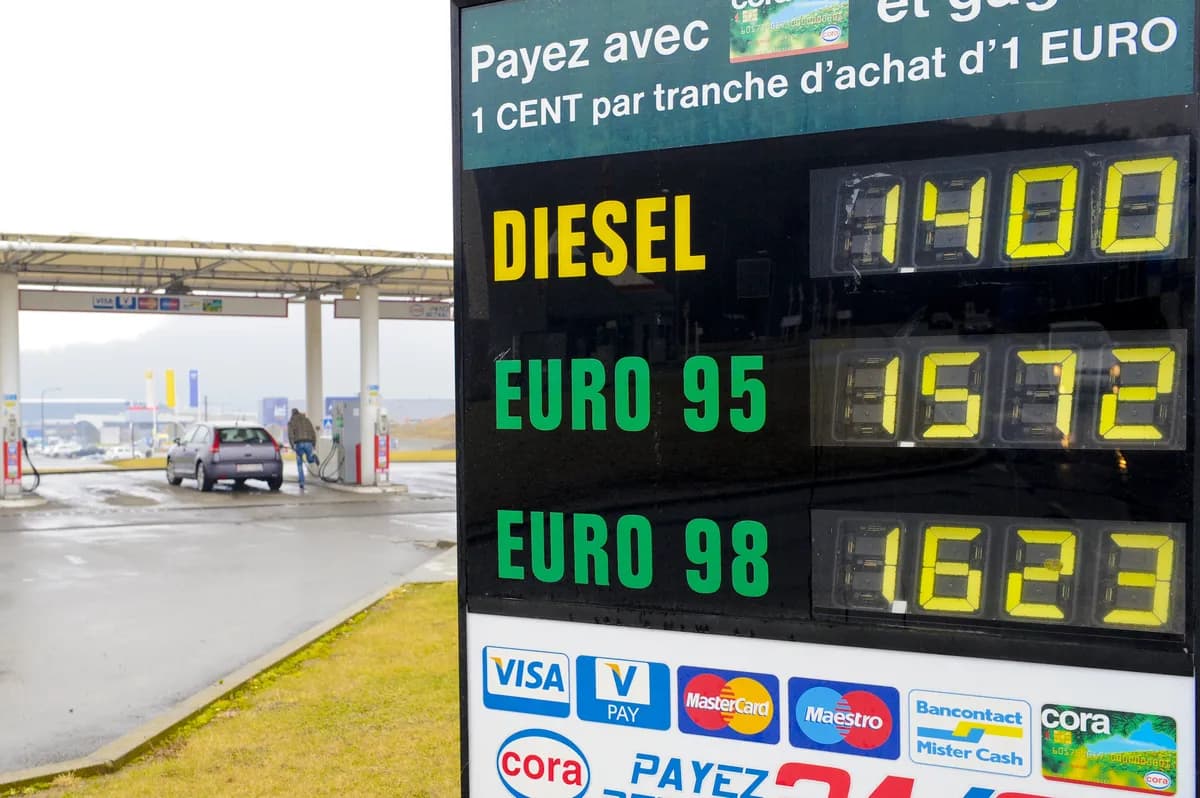
The United States-Israeli war on Iran and Tehran's retaliatory strikes have upended global financial and energy markets, raising concerns of a global economic crisis or recession, according to research from six sources. On February 28, the U.S. and Israel launched attacks on Iranian targets, killing Supreme Leader Ayatollah Al-Khamenei and senior leaders of the Iranian Defence Council, as reported by research from six sources. Iran retaliated with missile and drone strikes targeting Israel and U.S. military bases across the GCC region, resulting in civilian casualties and infrastructure damage, and has declared 'total war' on Israel and the United States, raising the risk of further escalation, according to research from six sources.
Iranian attacks on vessels in the Strait of Hormuz have dramatically reduced traffic in the channel, through which about 20% of global oil and gas supplies transit, research from six sources indicates. Following the closure of the Strait of Hormuz on March 4, 2026, oil and LNG exports were stranded, causing Brent Crude to surge past $120 per barrel and forcing QatarEnergy to declare force majeure on all exports, according to research from six sources. Oil production of Kuwait, Iraq, Saudi Arabia, and UAE collectively dropped by 6.7 million barrels per day by March 10 and by at least 10 million barrels per day as of March 12, research from six sources shows.
At the moment, there are no reports of petrol shortage in Bali.
Oil prices have soared, with Brent crude at $106 per barrel as of Monday morning, up more than 40% from $72 per barrel on February 27, according to research from six sources. LNG prices have risen by almost 60% since the start of the war, analyst Muyu Xu reported. QatarEnergy suspended its LNG production after an Iranian drone attack on March 2, straining the global LNG market, research from six sources indicates, though contradictions exist on the timeline of production halts versus export declarations.
About 84% of crude oil and 83% of LNG that passed through the Strait of Hormuz in 2024 was bound for Asia, with China, India, Japan, and South Korea accounting for nearly 70% of oil shipments, the U.S. Energy Information Administration stated. The impact echoes the 1970s energy crisis through acute supply shortages, currency volatility, inflation, and heightened risks of stagflation and recession, research from six sources notes. Interest rate reductions were expected to be postponed or increased due to higher inflation from supply shortages and speculation, and stock markets declined globally with a global bonds market sell-off, according to research from six sources.
Bali imports its refined fuel, but the government is currently subsidising petrol so prices are remaining quite steady.
The maritime blockade triggered a 'grocery supply emergency' across Gulf Cooperation Council states, disrupting 70% of the region's food imports by mid-March and causing a 40–120% spike in consumer prices, research from six sources reports. Iranian strikes on desalination plants threatened drinking water in Kuwait and Qatar, which rely on them for 99% of drinking water, according to research from six sources. The regional aviation sector, including Emirates and Qatar Airways, faced near-total cessation due to multi-national airspace closures, disrupting global air travel, and there are airspace closures in cities like Abu Dhabi, Dubai, and Doha.
In Australia, diesel is reaching more than $3 a litre, and more than 500 service stations are suffering from petrol or fuel shortages in NSW and Victoria, major media reports. Australian fuel prices are double that of Indonesia, according to Matt Cameron in major media. The full extent of economic damage from these disruptions remains uncertain.
If oil prices keep spiking, eventually fuel prices and potentially transportation costs will increase in Indonesia.
In contrast, many Aussies in Bali report it appears to be business as usual, with fuel prices as low as $1 a litre, and Bali fuel is the cheapest at $1 per litre currently, major media states. People are calmer at petrol stations in Bali, unlike panic buying scenes in Australia, and prices are cheaper, with no rations and no people queueing up for fuel, according to major media. At the moment, there are no reports of petrol shortage in Bali, Amanda Micallef told Daily Mail - News.
Bali imports its refined fuel, but the government is currently subsidising petrol so prices are remaining quite steady, Amanda Micallef told Daily Mail - News. If oil prices keep spiking, eventually fuel prices and potentially transportation costs will increase in Indonesia, Amanda Micallef told Daily Mail - News. Whether and when such increases will occur is a key unknown.
One day a week of working from home would save about a fifth, or around 20%, of fuel consumption.
Indonesia has introduced energy-saving measures, such as work-from-home arrangements for civil servants, to reduce fuel consumption. The Indonesian government plans to implement a work-from-home policy for civil servants and private employees after the 2026 Eid al-Fitr holiday to optimize the budget amid surging world oil prices, Coordinating Minister for the Economy Airlangga Hartarto stated. The WFH policy will involve flexibility for one day in a five-day work week, according to Airlangga Hartarto.
The work-from-home arrangements in Indonesia began after the Eid al-Fitr national public holidays on March 24, major media reports. A significant amount of fuel was saved during Covid due to work-from-home, and Indonesian Finance Minister Purbaya Yudhi Sadewa expects similar fuel savings from work-from-home measures as during Covid, according to major media. One day a week of working from home would save about a fifth, or around 20%, of fuel consumption, Purbaya Yudhi Sadewa told Daily Mail - News.
The 2026 Iran war, including the closure of the Strait of Hormuz, has led to what the International Energy Agency characterized as the 'largest supply disruption in the history of the global oil market.'
It will be difficult to strictly implement WFH, as employees might work from anywhere at tourist destinations, reducing fuel savings, Fahmy Radhi told en.tempo.co. During COVID-19, WFH saved fuel due to necessity, but without such compulsion, it would be difficult to implement consistently, Fahmy Radhi told en.tempo.co. Working from home for one day could reduce income for the transportation sector and MSMEs providing lunch for employees, and mandating WFH for manufacturing workers could reduce productivity, Fahmy Radhi told en.tempo.co.
While fuel consumption may decrease with WFH, household energy consumption increases, and savings depend on systematic implementation, Achmad Nur Hidayat told en.tempo.co. The WFH policy is part of a broader national strategy to strengthen energy resilience and maintain economic stability amid global uncertainties, research from six sources indicates. President Prabowo Subianto has called on ministers to accelerate energy-saving initiatives after reviewing national energy security preparedness, the Presidential Secretariat stated, and the WFH policy may be extended to private sector organisations and regional administrations, indicating a possible long-term shift in workplace models, according to research from six sources.
Energy economist Fahmy Radhi believes it will be difficult to strictly implement WFH, as employees might work from anywhere (WFA) at tourist destinations, reducing fuel savings.
The duration of the conflict, extent of disruptions in the Strait of Hormuz, and outages at key energy infrastructure remain key unknowns that could cause energy price spikes to spill over into inflation, interest rates, and GDP growth, research from six sources notes. A Capital Economics report notes that if the conflict is short-lived, oil and LNG prices would fall back sharply, with Brent crude reaching $65 per barrel by year-end, but in a longer war, oil prices could rise to around $130 per barrel in Q2, the report stated. Whether Indonesia's work-from-home policy will effectively reduce fuel consumption as intended is also uncertain.
Exposure to global commodity markets poses a perpetual risk of disruption, and renewable energy offers a strategic hedge against this volatility, analyst Sam Reynolds reported. The oil and gas industry's financial strategy has been 'pray for war,' because those conditions allow them to make money through price spikes, analyst Clark Williams-Derry stated. The closure of the Strait of Hormuz has put pressure on global fuel supplies, and global oil prices are rising.
During COVID-19, WFH saved fuel due to necessity, but without such compulsion, it would be difficult to implement consistently.
Working from home for one day could reduce income for the transportation sector and MSMEs providing lunch for employees.
Mandating WFH for manufacturing workers could reduce productivity.
Economic lecturer Achmad Nur Hidayat notes that while fuel consumption may decrease with WFH, household energy consumption increases, and savings depend on systematic implementation.
The oil and gas industry's financial strategy has been 'pray for war,' because those conditions allow them to make money through price spikes.