

Jet2 has contacted all passengers with holidays booked to inform them of a change to when booking documents are sent out, according to major media reports. Some Jet2 customers fear the email about document changes could be a scam due to recent warnings about fake social media accounts. Jet2 confirmed on X that the email about receiving documents 14 days before departure is genuine. The change in document timing is related to growing uncertainty sparked by the Middle East conflict. Worried holidaymakers have been flooding Jet2's social media channels with concerns about jet fuel shortages and potential flight cancellations.
Europe has only six weeks' supply of jet fuel because of the Middle East conflict, creating an immediate energy crisis. Iran continues to have a stranglehold on tankers passing through the Strait of Hormuz and has fired at several over the weekend. Shipments of oil and gas through the Strait of Hormuz are at a standstill due to Iranian threats to tankers. Energy is the main transmission channel, with the de facto closure of the Strait of Hormuz and damage to regional infrastructure producing the largest disruption to the global oil market in its history, according to the International Energy Agency.
The war in the Middle East is upending lives and livelihoods in the region and beyond, dimming the outlook for many economies that had just shown signs of recovery, according to research from six sources. The shock is global but asymmetric, with energy importers more exposed than exporters, poorer countries more than richer ones, and those with meager buffers more than those with ample reserves. The war has caused serious disruption to the economies of the most directly affected countries, including damage to infrastructure and industries that could become long-lasting, negatively affecting their short-term growth prospects. Large energy importers in Asia and Europe are bearing the brunt of higher fuel and input costs. Economies heavily dependent on oil imports in Africa and Asia are finding it increasingly hard to access supplies, even at inflated prices. Parts of the Middle East, Africa, Asia-Pacific, and Latin America face higher food and fertilizer prices and tighter financial conditions, with low-income countries especially at risk of food insecurity. All roads lead to higher prices and slower growth due to the war, with outcomes depending on conflict duration, spread, and damage to infrastructure and supply chains.
Energy-importing economies in Africa, the Middle East, and Latin America are feeling strain from higher import bills on top of limited fiscal space and external buffers. In Asia’s large manufacturing economies, higher fuel and power bills are raising production costs and squeezing people’s incomes.
Multiple US–Iran conflict scenarios carry materially different risks for global oil infrastructure, transit routes, and prices. Across all scenarios, the Gulf Arab states would be exposed as targets of Iranian retaliation following any US and Israeli action against Iran. The financial outlook of Gulf Arab states depends on regional stability, which could be tested by an Iranian leadership transition. In the event of an attack, Iranian retaliation against US allies and partners in the Arabian Peninsula would put global oil infrastructure and associated transit ways at risk.
Oil price projections vary under different conflict scenarios. In a scenario involving direct kinetic attacks between the United States (possibly with Israel) and Iran, including strikes on oil infrastructure, prices would likely experience a significant shock, but buffered by a well-supplied market and currently low prices. Some bank analysts, including Barclays, see oil prices jumping from the mid-$60s per barrel to the $80 per barrel range in the short term in the event of an attack by the United States and/or Israel on Iranian military and government leadership. A more symbolic Iranian retaliation targeting US bases but not disrupting critical oil or gas production or blocking transit routes would likely result in a more modest and less sustained price impact of $3–4 per barrel. The US and Israeli military strikes on Iran have sent global oil and gas markets spiraling.
There could be flight cancellations 'soon' if oil supplies remain restricted by the Iran war.
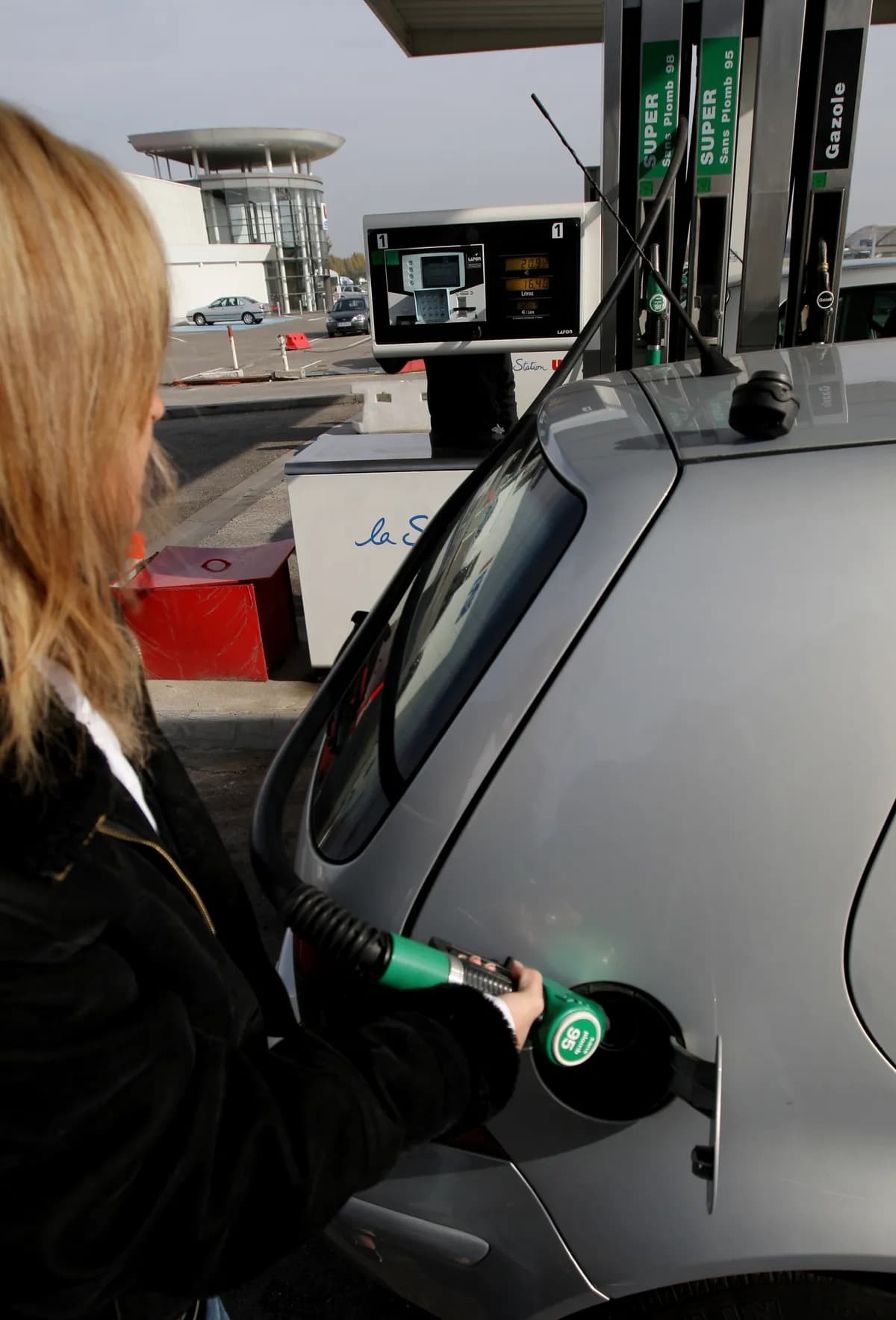
Global energy market disruptions extend beyond oil to liquefied natural gas (LNG). International prices for LNG have jumped more than 50 percent, although this spike has little direct effect on US consumers. LNG trade has been affected by disruptions in the Strait of Hormuz, but natural gas markets are more fragmented, moderating effects on prices for US consumers. Because crude oil costs have soared, US drivers are facing higher prices at the pump. There is no such thing as energy independence, particularly when it comes to oil, as global oil markets are well integrated, so a disruption in one part of the world will lead to a global spike in crude oil prices.
Supply chain vulnerabilities are not limited to fossil fuels. Clean energy technologies are not immune from supply chain disruptions stemming from geopolitical disputes, as seen with China’s restrictions on the export of critical minerals.
China is feeling the strain from the global oil shortage due to the blockade of the Strait of Hormuz, but sits in a better position than its neighbours after years of statecraft preparing for a global energy crisis. The shortage has left countries scrambling for alternative crude suppliers outside of the Gulf, while others are tapping into their own oil reserves. China uses an estimated 15 to 16 million barrels of oil daily, according to various market analysts. Gulf countries are a major source of the oil China ships in, with barrels from Saudi Arabia and Iran accounting for more than 10% of its imports each, according to the US Energy Information Administration (EIA). Most of China's imported crude oil comes from Iran and the Middle East through the South China Sea and is used as fuel to support factories and transportation, mainly in the southern half of China.
China's energy diversification includes reliance on Russian imports and domestic resources. China's north is mainly powered by oil produced domestically in major oilfields, along with pipeline imports from Russia, which are not disrupted by the war in the Middle East. Russian oil accounts for nearly a fifth of China's energy imports, making Moscow by far Beijing's biggest oil supplier, despite sanctions from the US and Europe. Coal is the dominant source of power for most of China's electricity, and China is the world's largest coal producer, accounting for more than half of global production. Oil and gas account for just over a quarter of China's total energy consumption.
Critical unknowns remain regarding the duration of the Strait of Hormuz blockade and airline contingency plans. The exact timeline and likelihood of flight cancellations due to jet fuel shortages in Europe is unclear. It is unknown what specific measures Jet2 is taking to mitigate potential flight cancellations or fuel shortages beyond changing document timing. Whether other airlines are implementing similar policy changes or contingency plans in response to the conflict has not been confirmed.
Unresolved questions also surround the extent of damage to oil infrastructure in the Middle East and its effect on production capacity. The full impact of the blockade on global energy markets depends on how long it lasts, which remains uncertain. Fatih Birol, executive director of the International Energy Agency, warned that there could be flight cancellations 'soon' if oil supplies remain restricted by the Iran war.