

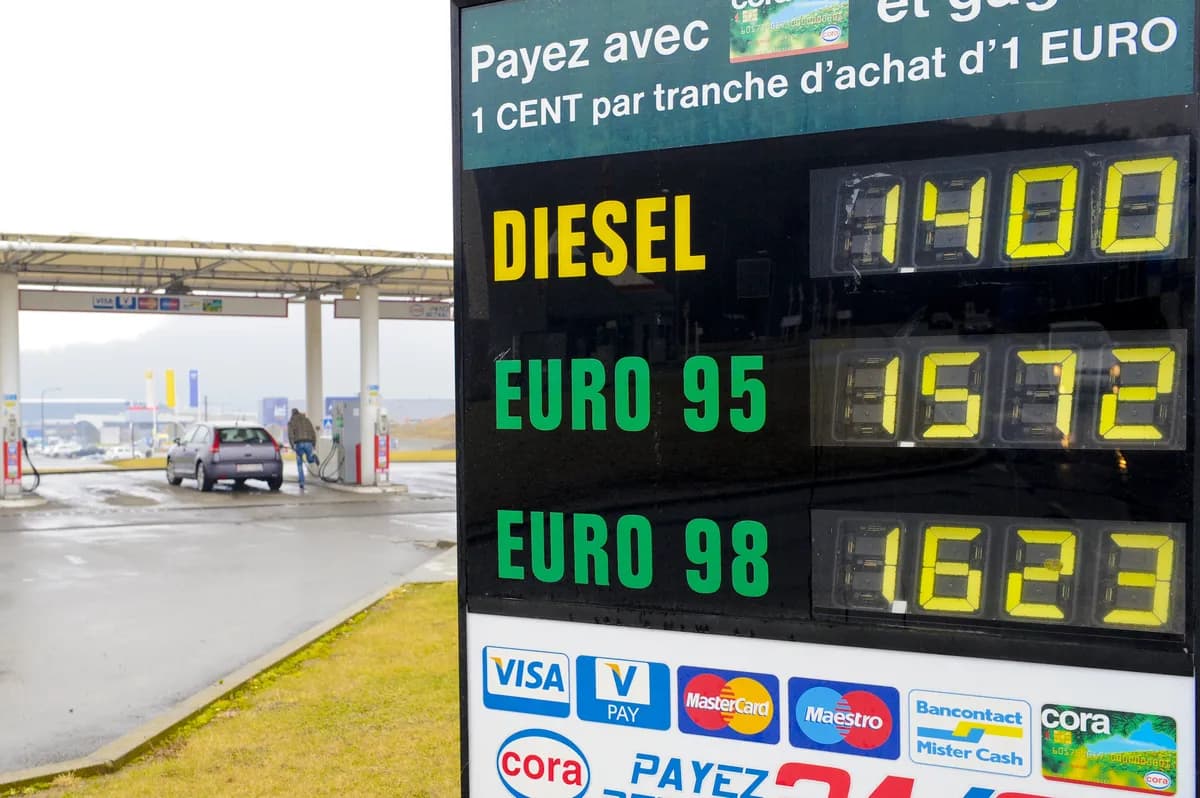
Recent US and Israeli strikes on Iran have disrupted oil and gas flows, particularly through the Strait of Hormuz, according to research from four sources. This critical chokepoint handles about 20-30% of global oil shipments, and the disruption has led to significant price spikes and inflationary pressures, research from four sources indicates. Analysts from UBS, UOB, and Capital Economics provide forecasts on oil prices, market volatility, and supply risks, according to research from four sources. UBS analysts predict oil prices could surge by 15-20% if disruptions persist, while UOB warns of increased market volatility affecting energy-dependent sectors. Capital Economics highlights supply risks that could push prices higher in the short term, noting that prolonged tensions might lead to sustained market instability. The conflict is linked to broader geopolitical strategies involving China, Russia, and energy dominance, research from three sources reports. These powers are seen as leveraging the situation to challenge US influence in the region and secure their own energy interests, potentially reshaping global alliances and intensifying competition for resources.
Asian markets are trading positively, major_media reports, with investors showing resilience despite global tensions. Mainland China's Shanghai index rose 1.5%, major_media states, driven by strong performances in technology and manufacturing stocks, while Hong Kong's Hang Seng index increased 2.2%, according to major_media, buoyed by gains in financial and property sectors. This positive trend reflects optimism in Asian economies, though analysts caution that it may be tempered by ongoing geopolitical risks.
European stock markets are expected to decline at opening, major_media reports, as concerns over energy costs and inflation weigh on investor sentiment. Stockholm's broad OMXS index closed up 0.7% yesterday, major_media says, reflecting a mixed regional performance, and the New York stock exchange closed in positive territory yesterday, according to major_media, with the S&P 500 and Dow Jones indices posting modest gains amid cautious optimism. The divergence between European and US markets underscores the varying impacts of oil price shocks on different economies.
The oil price rose in the morning, with a barrel of North Sea oil costing nearly $103, major_media reports, marking a sharp increase from previous levels. Analysts forecast oil prices to rise significantly due to supply disruptions, with some predicting sustained highs if geopolitical tensions escalate, but other analysts forecast oil prices to stabilize or have limited impact due to market adjustments, such as increased production from other regions or strategic reserves releases. The current price levels highlight the immediate effects of the Middle East conflict on global energy markets.
IG offers trading on over 13,000 stocks with specific commission rates and extended hours for US shares, research from two sources confirms. For example, IG charges competitive commissions on trades, often lower than traditional brokers, and provides extended trading hours that allow access to US markets outside standard sessions. IG offers out-of-hours trading for 70 US shares, while other reports indicate IG offers out-of-hours trading for 700 US shares, highlighting variations in service offerings. Stock exchanges worldwide have varying trading hours, with examples provided for major exchanges, according to research from two sources. For instance, the London Stock Exchange operates from 8:00 AM to 4:30 PM local time, the Tokyo Stock Exchange from 9:00 AM to 3:00 PM, and the New York Stock Exchange from 9:30 AM to 4:00 PM Eastern Time, facilitating global market access for traders. These trading platforms and exchange hours enable investors to respond quickly to market developments, such as the current oil price volatility.
Market participants are closely monitoring the situation, as the disruptions could affect global economic growth and trade flows. The mixed signals from Asian, European, and US markets reflect uncertainty over how long the oil price spikes will last and their broader impact. Investors are advised to consider diversification and risk management strategies in light of the heightened volatility, with analysts emphasizing the need for vigilance in energy-sensitive sectors.