

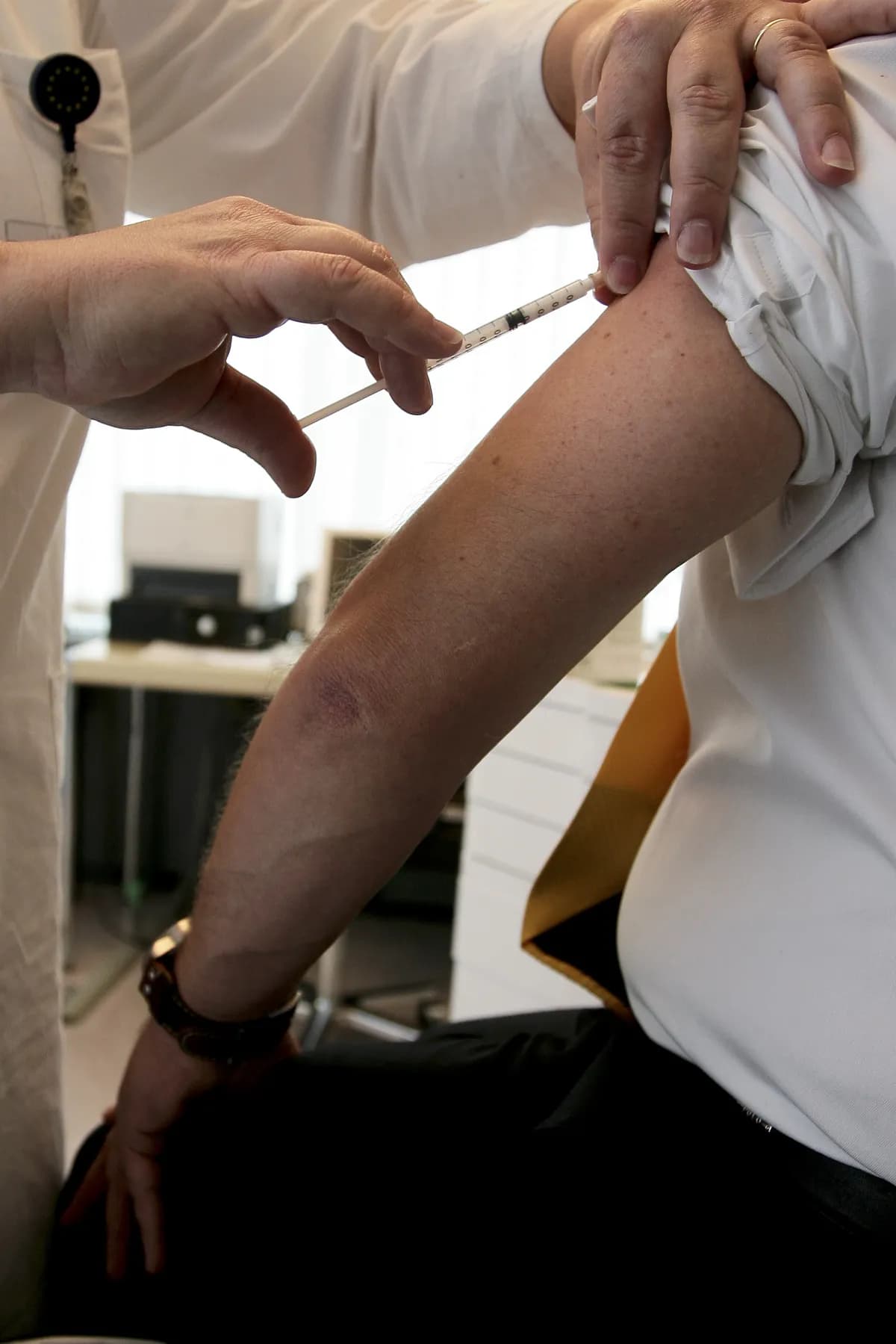
An outbreak of meningitis started in Kent earlier this month, with two people dying from the infection following an outbreak linked to the Club Chemistry nightclub in Canterbury, according to reports. As of 22nd March, there are a total of 20 confirmed cases and nine suspected cases of meningococcal disease, reports state. The UK Health Security Agency confirmed there had been no new cases of the infection in the past 24 hours. The UKHSA, along with NHS England, coordinated a vaccination programme against the specific strain of meningitis, known as MenB, that caused the outbreak, reports indicate. The vaccination programme was offered to certain groups of people, including those who have been in close contact with the 29 confirmed or suspected cases, students at the University of Kent who reside at the Canterbury campus, and anyone who was working at the Club Chemistry nightclub between 5th March and 15th March, according to reports.
Scammers are using the fear and uncertainty around the meningitis outbreak to target Brits and steal their cash, the Daily Express reports. Some people have reported receiving fake text messages from people claiming to be the NHS, asking them to book in for a MenB vaccine, according to reports. Caroline, a TikTok scam alert and advice account holder, noted that these messages look incredibly convincing. The NHS will never ask you to pay for a vaccine, and if you're told in a text or an email to part with your money in exchange for a MenB vaccine, this is not a genuine message, reports state.
Scammers are using the recent meningitis outbreak to scam people, and it's incredibly convincing, so you need to be on your guard.
According to Caroline on TikTok, whenever there's a health scare in the UK, whether it be Covid, monkeypox or meningitis, scams always spike. During previous health campaigns, thousands of fake NHS messages were reported, and people lost hundreds of pounds, she noted.
Whenever there's a health scare in the UK, whether it be Covid, monkeypox or meningitis, scams always spike.
During previous health campaigns, thousands of fake NHS messages were reported, and people lost hundreds of pounds.