

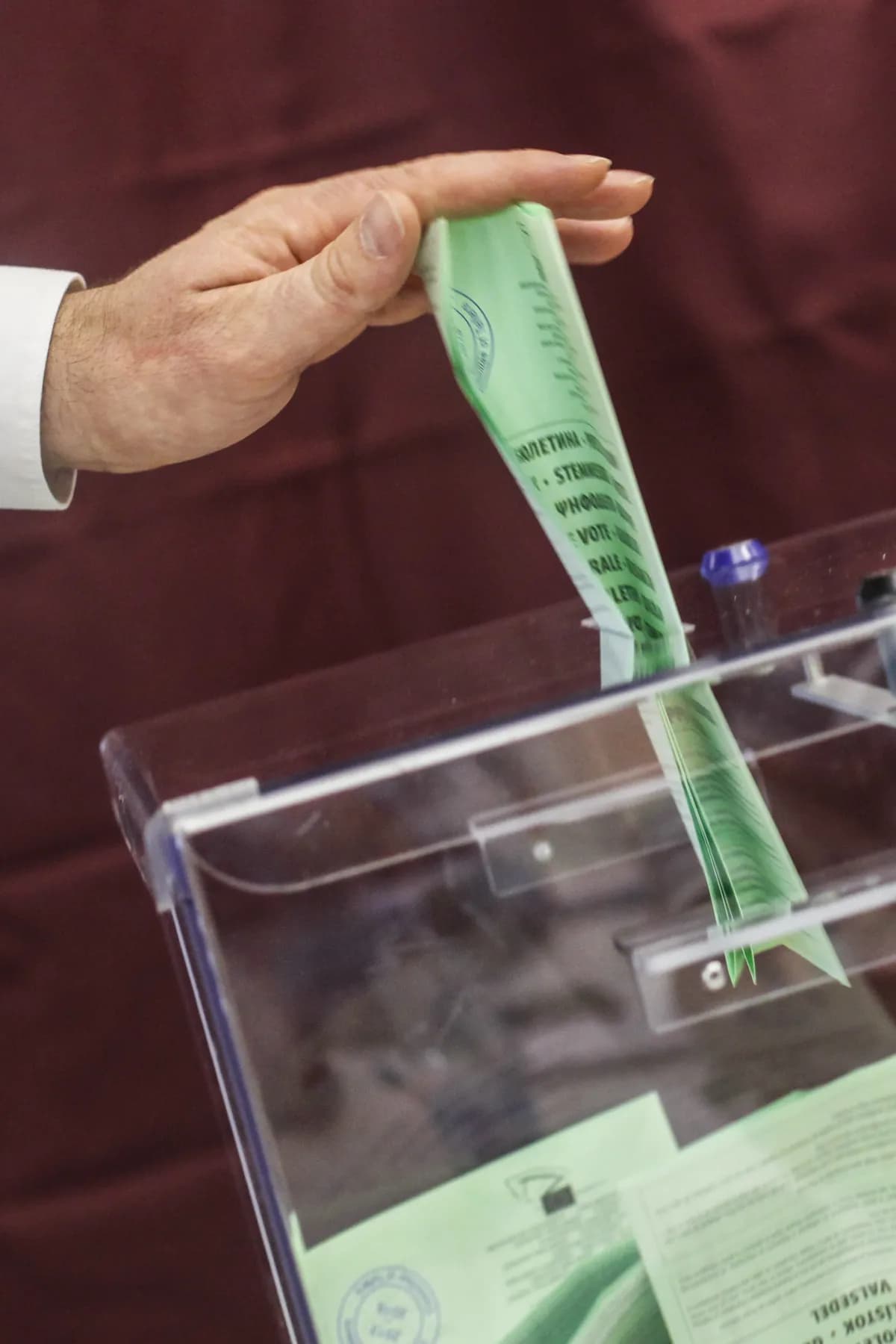
The referendum, which would have inscribed a firm separation between judges and prosecutors into the constitution, proposed distinct bodies to govern them and a new disciplinary court. Opposition parties argued that the reform would shatter a careful balance of powers established following the defeat of fascism and increase political influence over the courts. The vote quickly morphed into a plebiscite on Meloni's near-record three and a half years in office, interpreted as an expression of dissatisfaction with her governance.
Turnout for the referendum was almost 60%, with exit polls initially showing the 'No' vote leading by a small margin, but that grew to a substantial lead as the count progressed. Many Italians struggled to understand the technical details of the referendum, which may indicate a communication failure by Meloni's team. A high turnout was expected to favour the government, but it was not enough to swing the vote, highlighting the complexity of the issue and public disengagement.
Meloni has not achieved much of the promised reforms domestically, against a backdrop of Italy's stagnant economy. Many people in Italy are concerned about the war's impact on their energy costs, adding to economic anxieties. In contrast, Meloni has won respect for skillfully finding her own role in foreign policy in Europe. She is a close ally of Donald Trump, who is increasingly unpopular in Italy, as is his war in the Middle East, creating a potential liability for her domestic image.
Despite the defeat, Meloni ruled out stepping down, whatever the result of the referendum. The right-wing coalition has overseen a rare period of political stability for Italy, which may help buffer the impact of this setback. However, the referendum loss underscores challenges in her governance approach and public trust.
Opposition parties are hailing the result as a sign that voters are looking for change, with a general election due next year. This outcome could energize opposition campaigns and shift political dynamics ahead of the upcoming vote, signaling a potential turning point in Italian politics.