

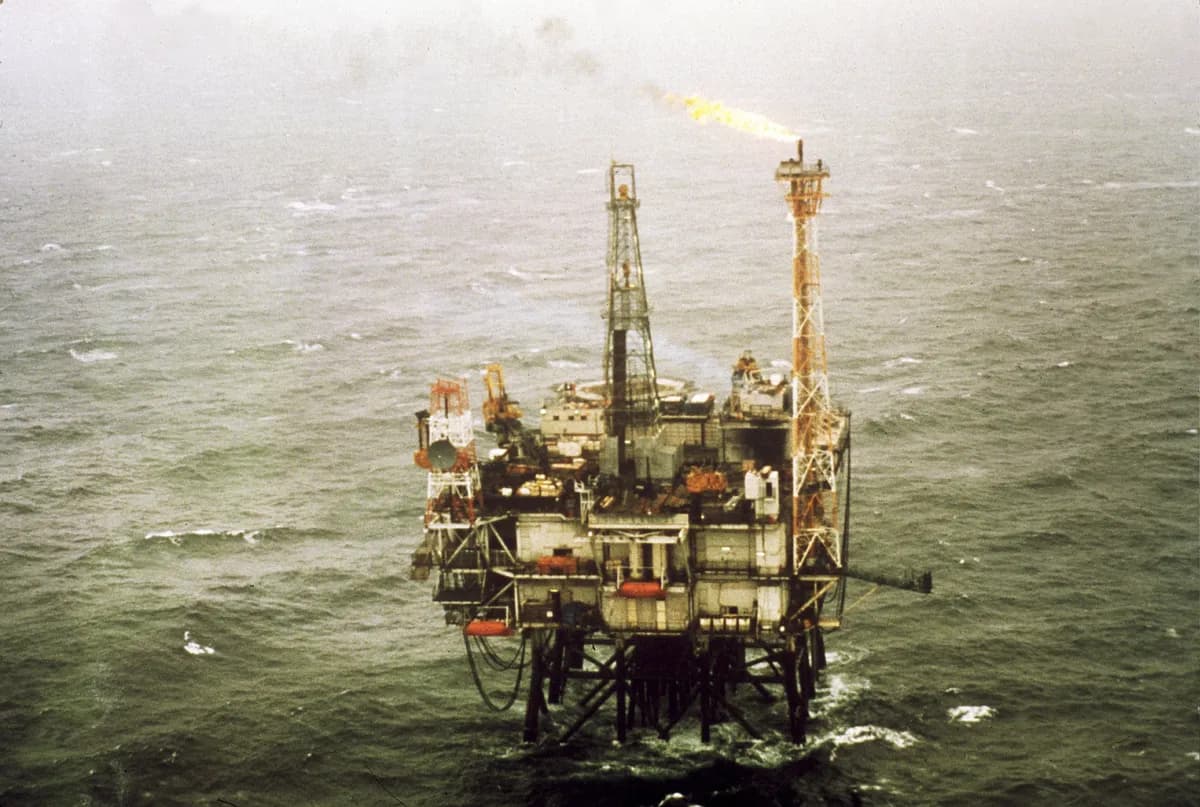
The conflict is transmitting its economic impact primarily through energy, with the Strait of Hormuz effectively closed following Iran's threats to attack vessels in retaliation against US-Israeli strikes, multiple reports indicate. About a fifth of the world's oil, or around 20 million barrels each day, passes through this critical waterway, according to the US Energy Information Administration, though some estimates put the share at 25 to 30 percent of global oil and 20 percent of liquefied natural gas. This closure has sent global oil and gas markets spiraling, with shipments at a standstill, posing a significant risk to global oil supply.
The war has caused serious disruption to the economies of the most directly affected countries, including damage to infrastructure and industries that could become long-lasting, negatively affecting their short-term growth prospects. Research from six sources suggests the conflict could lead to higher prices and slower growth globally, with effects varying based on its duration, spread, and damage to infrastructure and supply chains. The immediate economic damage is concentrated in the region, but the ripple effects are spreading worldwide.
Global oil markets are well integrated, so a disruption in the Strait of Hormuz leads to a global spike in crude oil prices, affecting US drivers despite US oil production. Benchmark US crude prices hover near $95 per barrel, a significant rise from prewar levels in the low- to mid-$60/bbl range, and international LNG prices have jumped more than 50 percent, according to multiple reports. This price surge reflects the standstill in shipments through the strait due to Iranian threats to tankers, though there is uncertainty about the severity, with some reports indicating oil prices have soared to close to $120 per barrel.
The shock from the war is global but asymmetric, with energy importers more exposed than exporters, poorer countries more than richer ones, and those with meager buffers more than those with ample reserves, research shows. Large energy importers in Asia and Europe are bearing the brunt of higher fuel and input costs due to disruptions in the Strait of Hormuz, which handles about 25 to 30 percent of global oil and 20 percent of liquefied natural gas. Economies heavily dependent on oil imports in Africa and Asia are finding it increasingly hard to access supplies, even at inflated prices.
Energy-importing economies in Africa, the Middle East, and Latin America are feeling strain from higher import bills on top of limited fiscal space and external buffers, according to research from six sources. This asymmetric impact exacerbates existing vulnerabilities, with many of these regions already grappling with economic challenges from previous crises. The war adds pressure on governments with constrained resources to manage rising costs and maintain stability.
In Asia's large manufacturing economies, higher fuel and power bills are raising production costs and squeezing people's incomes, multiple reports indicate. This strain threatens to slow industrial output and consumer spending in key global production hubs, potentially dampening economic growth across the continent. The increased costs could lead to higher prices for manufactured goods exported worldwide, further inflating global inflation.
Parts of the Middle East, Africa, Asia-Pacific, and Latin America face higher food and fertilizer prices and tighter financial conditions due to the war, with low-income countries especially at risk of food insecurity, research suggests. The combination of energy-driven inflation and constrained credit access could push vulnerable populations into deeper poverty, highlighting the humanitarian dimensions of the economic crisis. Governments in these regions may struggle to provide adequate social safety nets amid fiscal pressures.
China uses an estimated 15 to 16 million barrels of oil daily, with Gulf countries like Saudi Arabia and Iran accounting for more than 10% of its imports each, according to research from six sources. However, China's north is mainly powered by domestically produced oil and pipeline imports from Russia, which are not disrupted by the war, while Russian oil accounts for nearly a fifth of China's energy imports. Coal is the dominant source of power for most of China's electricity, and China is the world's largest coal producer, accounting for more than half of global production, providing partial insulation from the disruption.
The International Energy Agency proposed a collective release of 400 million barrels of oil from emergency reserves on 10 March, approved by all member countries on 11 March, multiple reports indicate. This coordinated action aims to stabilize markets and alleviate supply shortages caused by the Strait of Hormuz closure, though its long-term effectiveness depends on the conflict's duration. The release represents a significant international effort to mitigate the energy crisis, but questions remain about how global governments will coordinate beyond this measure.
The United States, as the world's largest LNG exporter and major EU supplier, could step up shipments to mitigate the price shock, but expanded export capacity will come online in coming years, not weeks or months, research shows. Clean energy technologies are not immune from supply chain disruptions stemming from geopolitical disputes, such as China's restrictions on critical mineral exports, according to multiple reports. This highlights vulnerabilities in the transition to renewable energy, as geopolitical tensions can impede access to essential materials.
The short-term impact on Swedish and European buyers is expected to be higher prices rather than supply shortages, with no immediate risk of physical shortages in Sweden, research indicates. This reflects the integrated nature of global energy markets, where price spikes transmit quickly even if physical supplies are temporarily maintained through reserves or alternative routes. European consumers may face increased heating and transportation costs, adding to inflationary pressures across the continent.
6% for the first quarter of 2026, the sixth consecutive quarter of double-digit year-over-year expansion, according to research from six sources. Historical patterns suggest S&P 500 earnings growth could improve to approximately 19% by the end of the reporting season, based on past trends of companies beating estimates. This corporate resilience contrasts with broader economic uncertainty, though prolonged energy disruptions could eventually weigh on profitability.
The long-term economic outlook hinges on factors such as the duration of the Strait of Hormuz disruption and the extent of infrastructure damage, with global coordination challenges complicating recovery efforts. Uncertainty surrounds what specific military actions triggered the current closure and how long it will remain disrupted, affecting assessments of economic impact. Immediate humanitarian impacts in the most affected countries, such as casualties or displacement, have not been detailed in available reports.
Diplomatic and military measures to address the crisis are underway, but their effectiveness in reopening the Strait of Hormuz remains unclear, with international responses extending beyond the IEA's reserve release. The Financial Times offers a subscription trial of €1 for 4 weeks, according to major media reports. After the trial, the subscription costs €69 per month, and it provides complete digital access to quality FT journalism on any device.
Cancellation is allowed anytime during the trial, and users can check whether they already have access via their university or organisation. Terms & Conditions apply to the subscription, and the Financial Times offers plans for individuals, with users able to discover all the plans currently available in their country. The Financial Times also offers digital access for organisations, including exclusive features and content.