

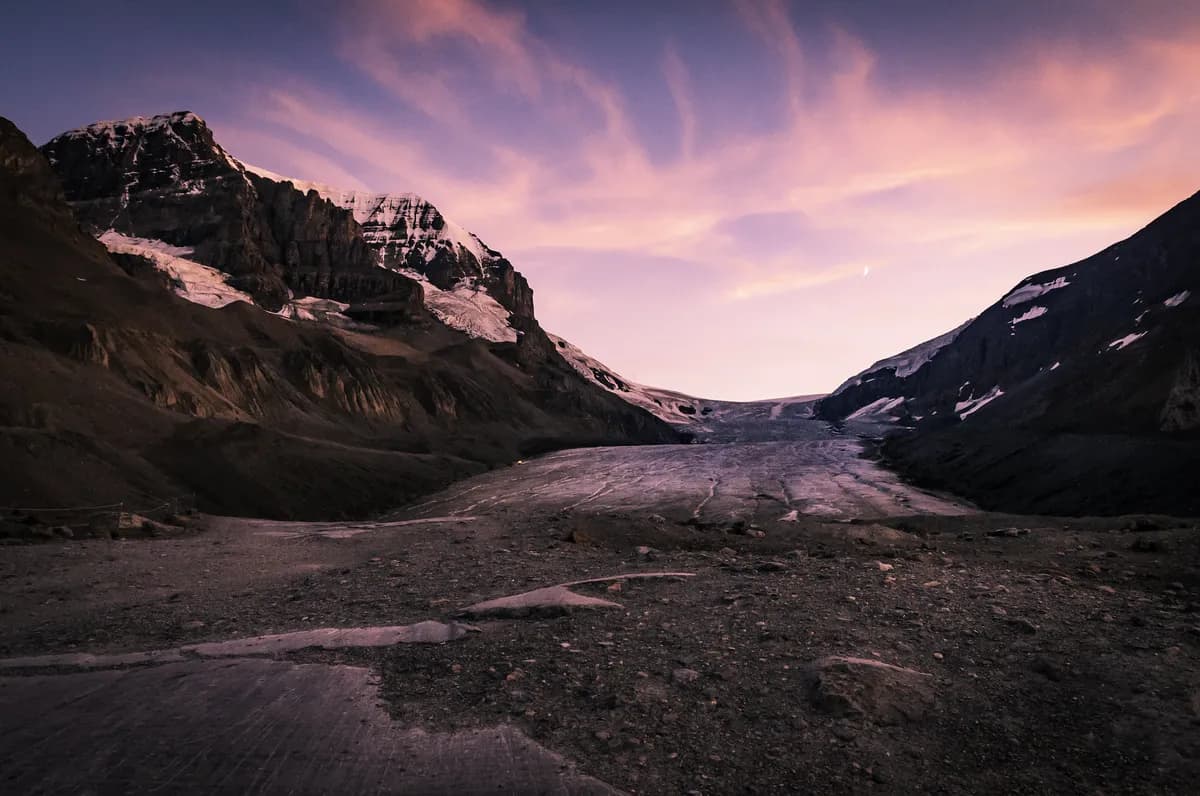
The ice block, estimated to be about 100 feet (30 meters) high, has halted progress for icefall doctors working for the Sagarmatha Pollution Control Committee (SPCC). The doctors reached Base Camp three weeks ago but have been unable to find a way around the serac. According to BBC News - World, Ang Sarki Sherpa, an icefall doctor, described reaching the serac on 10 April and noted that the crevasse below is melting. He added that the team spent four days touring the area, looking at every possible route from the mountain to the right and left, but scaling the serac has been deemed too risky.
The only current option is to wait for the serac to melt and collapse, which is hoped to happen within days. According to BBC News - World, Tshering Tenzing Sherpa, SPCC base camp co-ordinator, described that no artificial ways to melt the ice have been found, leaving no choice but to wait for it to melt and crumble naturally. By this stage in April, the icefall doctors would normally have fixed the route as far as Camp 3, but they remain blocked by the serac about 600 meters below Camp 1. Sherpas hope that rope-fixing work to Camp 2 will be completed within a few days after the ice melts.
We haven't found artificial ways to melt it so far, so we don't have any options other than to wait for it melting and crumbling itself.
The delay means preparations are weeks behind schedule for the spring climbing season, and fears are growing that climbers will be queuing to reach the summit again this year. Favorable weather is expected only until the end of May, adding urgency to the situation. Nepal's Department of Tourism is exploring options to mitigate the delay. According to BBC News - World, Ram Krishna Lamichhane, director general of the department, described that they are thinking about airlifting the rope-fixing team and their logistics to Camp 2 by helicopter, so they can open the route above that altitude for now. He also stated that they will wait for the ice to melt at the obstruction and work there when everything is safe.
Among those affected is Purnima Shrestha, a prominent climber and photographer from Nepal currently acclimatising to summit Everest for the sixth time. According to BBC News - World, Shrestha described that climbers usually move between Camp 1, Camp 2, and Camp 3 back and forth during the acclimatisation process, and delays in opening the route have added concerns of possible traffic jams to the peak this year. The situation highlights the ongoing challenges of managing the world's highest peak during the busy climbing season.
We reached it on 10 April. The crevasse below is melting.
There is no choice. We spent four days touring the area, looking at every place from the mountain to the right and left.
We are thinking about airlifting the rope-fixing team and their logistics to Camp 2 by helicopter, so they can open the route above that altitude for now.
We will wait for the ice to melt at the place where there is an obstruction and work there when everything is safe.