

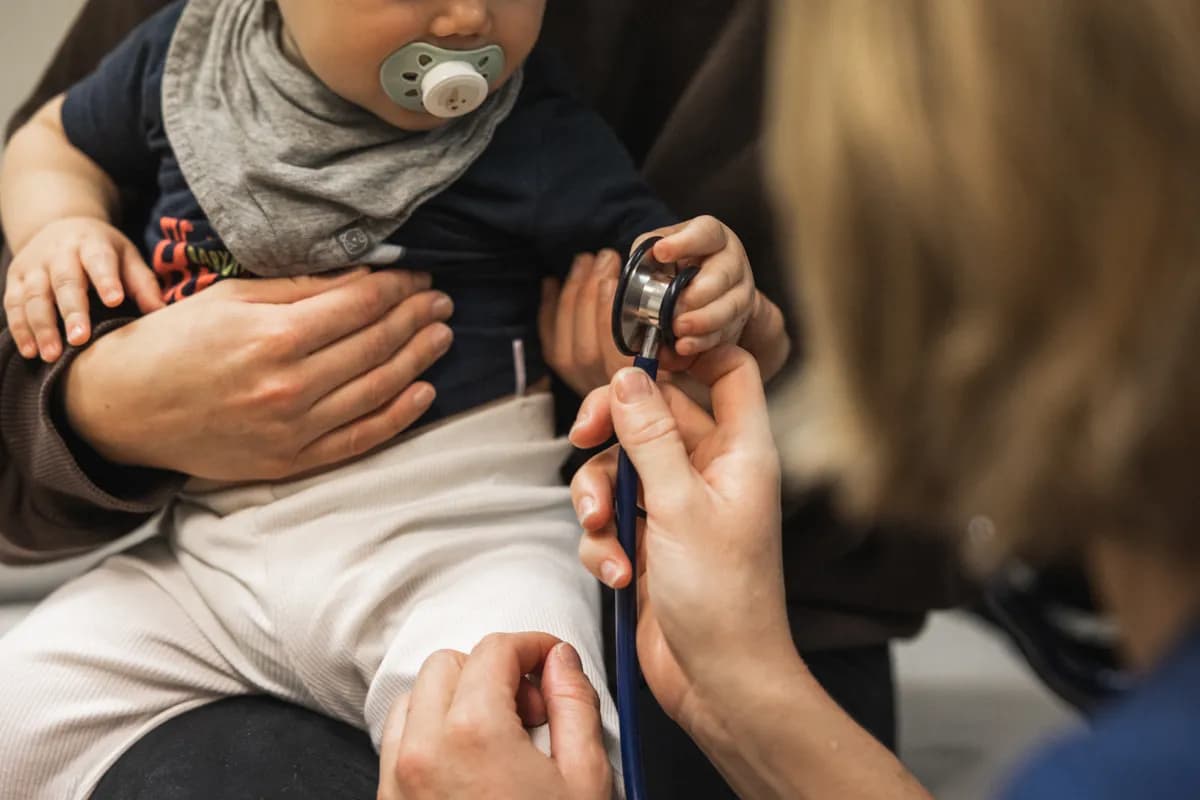
Researchers at Lund University in Sweden have made a significant medical breakthrough that could prevent blindness in premature infants. According to a study published on April 7, 2026, cortisone eye drops can prevent the development of a serious eye disease called retinopathy of prematurity (ROP), which is one of the most common causes of severe vision impairment and blindness in children.
ROP occurs when blood vessels in the retina are not fully developed by the 40th week of pregnancy. When babies are born very prematurely, these blood vessels haven't completed their growth. The condition can lead to bleeding, scarring, retinal detachment, and in severe cases, blindness.
The traditional treatments for severe ROP involve laser treatment of the retina or injections of anti-vascular medication into the eye. These treatments carry risks and typically require anesthesia, which should be avoided in premature infants whenever possible.
The new research suggests that cortisone eye drops could provide a safer, less invasive alternative to prevent this condition. The study, which was conducted at Lund University, represents a potentially significant advancement in neonatal care that could benefit thousands of premature infants worldwide.