

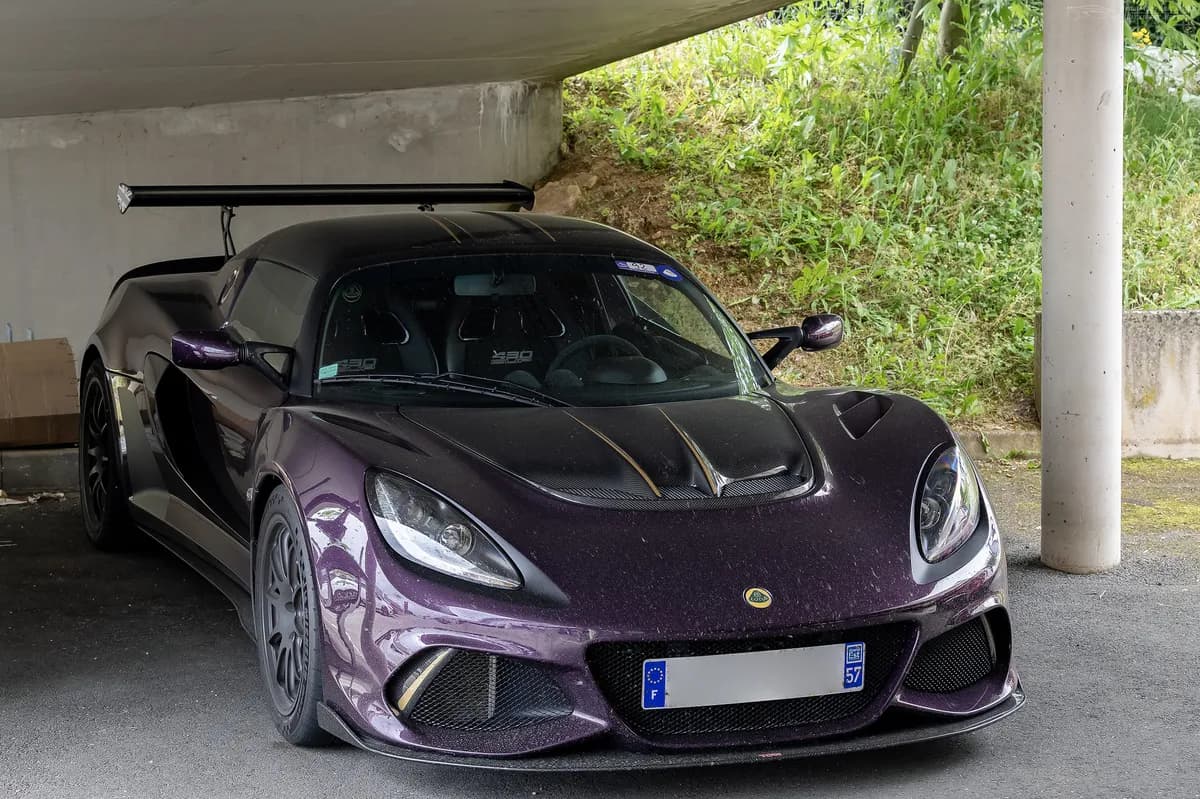
The British sports car maker had previously indicated the Type 135 would be a battery electric vehicle, but multiple reports now point to a plug-in hybrid system. Lotus CEO Feng Qingfeng said luxury car customers remain satisfied with powerful internal combustion engines and that EV performance gains are not obvious to them. The V8 engine could be sourced from Horse Powertrains, a Geely-Renault joint venture, or from Mercedes-AMG.
The Type 135 is set to launch in 2028, though some sources suggest customer deliveries could begin as early as 2027. Production will take place in Europe, but the exact location has not been confirmed. Research indicates the car may be built at Lotus's historic Hethel plant in the UK, while other reports say the site is undecided.
Pricing is expected to start from £75,000, or about US$95,000. The car is likely to use the Lightweight Electric Vehicle Architecture platform, with a mid-engined layout and batteries stacked vertically behind the seats. Entry-level models may feature a 66kWh battery.
Design and engineering will be rooted in the UK, with research and development conducted in China. A teaser image released by Lotus shows a wide, clean design with horizontal rear lights and no obvious aerodynamic devices. Lotus is stepping away from its plan to focus exclusively on electric vehicles and is introducing a plug-in 'Hyper Hybrid' powertrain.
The system is expected to deliver a range exceeding 1,100 kilometers and use a 900-volt electrical architecture for ultra-fast charging. The company is also exploring range-extended hybrids called 'Super Hybrids' with over 1,000 kilometers of range. Lotus plans to debut a mid-sized SUV next year to compete with the Porsche Macan.
The brand delivered over 7,600 vehicles in the first nine months of 2024, a 136% increase year-on-year, and reported revenue of €516 million in the same period. The Type 135 is described by Lotus as its first supercar, though the electric Evija is considered a hypercar. The company has not offered a V8 since the Esprit ended production in 2004, and the current Emira uses a turbo four-cylinder from Mercedes-AMG.
The powertrain choice for the Type 135 remains uncertain, with conflicting reports on whether it will be fully electric or a V8 hybrid. The launch timeline is also unclear, as is the production location. The identity of the V8 engine supplier has not been confirmed.
Lotus's shift to hybrids raises questions about its previous all-electric strategy and a reported plan to phase out petrol engines by 2028. The Type 135 represents a pivotal moment for Lotus as it navigates the transition from traditional combustion engines to electrification, balancing heritage with innovation. The supercar's development underscores the challenges automakers face in meeting evolving consumer expectations while adhering to stringent emissions regulations.
Lotus's decision to explore hybrid technology reflects a broader industry trend where manufacturers are reevaluating their electrification timelines. The Type 135's performance credentials, including its targeted 1,000-plus horsepower, position it as a direct competitor to established supercar marques. The integration of a V8 engine with hybrid assistance aims to deliver both exhilarating performance and improved efficiency.
Lotus's engineering team is leveraging the company's lightweight philosophy to offset the added weight of hybrid components. The use of advanced battery technology, such as the 900-volt architecture, promises rapid charging capabilities that enhance usability. The Hyper Hybrid system's extended range addresses range anxiety, a common concern among electric vehicle adopters.
Lotus's broader product strategy, including the upcoming mid-sized SUV, indicates a push toward higher volume segments to ensure financial sustainability. The company's recent sales growth demonstrates increasing market acceptance of the Lotus brand. However, the shift away from a pure electric lineup may dilute the brand's environmental messaging.
The Type 135's final specification will likely influence Lotus's reputation for years to come. Industry analysts are closely watching Lotus's next moves, as the Type 135 could redefine the brand's identity in the modern automotive landscape.