

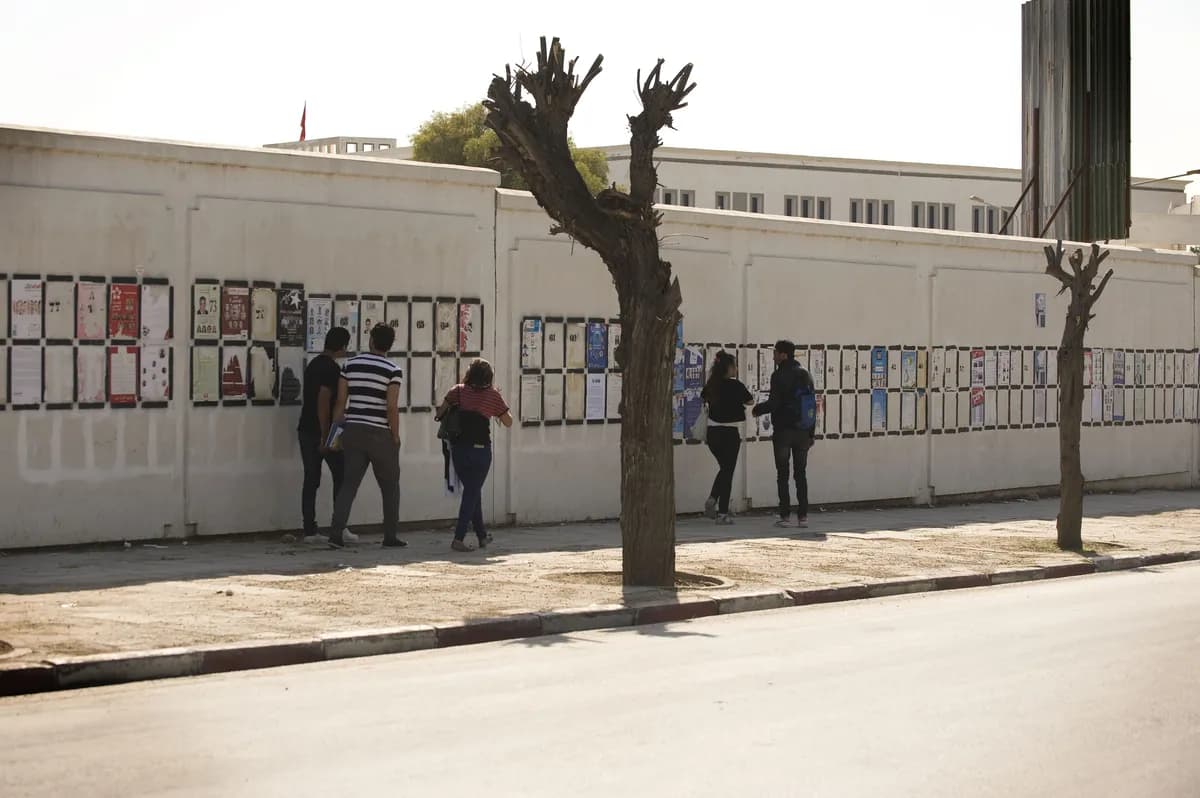
The 2026 municipal elections in France are set for March 15 and 22, as confirmed by a decree published on August 28, 2025. In Lorraine, the number of candidate lists totals 3,128, distributed across the four departments: 1,033 in Moselle, 801 in Meurthe-et-Moselle, 667 in Vosges, and 627 in Meuse, according to major media reports. More than half of Lorraine's communes (51.7%) have only one candidate list, while 696 communes feature two or more lists, with Thionville reaching seven and Metz nine. Three communes—Franconville (Meurthe-et-Moselle), Verneuil-Petit (Meuse), and Hestroff (Moselle)—have no candidates at all. In such cases, a special delegation is appointed by prefectural decree to temporarily replace the municipal council and elect a president with limited powers, and partial elections must be organized within a maximum of three months if no candidates are found, according to major media reports.
Despite mandatory gender parity rules requiring all communes, including those with fewer than 1,000 inhabitants, to alternate male and female candidates on lists, men still outnumber women on Lorraine's lists, accounting for 52% of candidates, according to major media reports. Only 19.2% of lead candidates in Lorraine are women, far below the national average of 24.6%. Moselle ranks as the fifth metropolitan department with the lowest rate of female lead candidates at 18.3%. The parity rules, which apply to all communes for the first time in 2026, aim to improve representation but have not yet achieved balance in leadership positions.
Incumbent mayors in Lorraine are largely seeking re-election: 64% are running as lead candidates again, while 9% are running but not as lead candidates, according to major media reports. Some small communes have multiple lists despite low populations—for example, Rembercourt-sur-Mad (164 inhabitants) has three lists, and Jezainville (1,096) has four. Basse-Ham, with 2,400 inhabitants, has four lists, which is considered exceptional. In larger towns, the political landscape is varied: in Sarreguemines, lists include an extreme-left list, a National Rally list, and a right-wing sovereignist list; in Forbach, a Les Républicains list and a far-right union list; in Thionville, an extreme-left list and a La France Insoumise list; and in Sarrebourg, lists have been published but no specific names are given, according to major media reports.
The voting system has changed for 2026. In municipalities with fewer than 1,000 inhabitants, the system is now proportional and equal list ballot with two rounds, requiring parity and alternation. In Paris, Lyon, and Marseille, voters now participate in two ballots: one for borough or sector councilors and one for municipal councilors, according to research reports. These changes aim to increase representation and simplify voting.
Arne Näslund (DKL) is the chairperson of Dorotea kommunlista but is not running as a candidate.
Across France, some candidate lists have adopted creative names, such as 'Nouvel'Hères' in Saint-Martin-d'Hères, 'L'envol de Colombe' in Colombe, 'Hières et demain' in Hières-sur-Amby, 'Naturellement Saoû' in Saoû, 'Les portes du vivre ensemble' in Portes-en-Valdaine, 'Ça vaut le coup d'Essegney' in Essegney, 'Épense à vous' in Épense, 'Aillon de l'avant' in Aillon-le-Jeune, 'Un cœur qui Balme' in Balme, 'Astérix avec les Romains' in the Doubs, and 'En avant Gailhan' in Gailhan, according to multiple media reports.
In a separate but related context, the Dorotea kommunlista (DKL) is making a comeback after four years of absence for the 2026 Swedish municipal elections, presenting a list of 19 candidates, according to major media reports. According to SVT Västerbotten, Arne Näslund, the chairperson of DKL, is not running as a candidate. The absence of DKL in 2022 contributed to the Sweden Democrats strengthening their position, according to several analysts.
National trends from previous elections provide context for the 2026 municipal vote. In the 2020 municipal elections, the left reversed the trend of 2014, flipping cities like Annecy, Bordeaux, Marseille, and Saint-Paul, while the right reclaimed several cities from the left, including Metz, and the National Rally strengthened its local presence by winning Perpignan, according to research reports. The 2022 presidential and legislative elections weakened Macron's majority. In the 2024 European Parliament election, the National Rally saw its support soar, prompting Macron to dissolve the National Assembly. New legislative elections were held on June 30 and July 7, 2024, where the left reunited as the New Popular Front (NFP) and won a narrow plurality of 193 deputies, while the National Rally became the largest single-party group with 125 deputies, and the center suffered a major collapse, losing one-third of its representatives, according to research reports. Éric Ciotti formed an alliance with the National Rally, causing a crisis in The Republicans.
Results of the 2026 municipal elections in major French cities show that Socialist Party and Green candidates won in Paris, Lyon, and Marseille, according to research reports. In Bordeaux, centrist candidate Thomas Cazenave defeated incumbent Pierre Hurmic, according to research reports. The vast majority of mayors in rural areas were independent (sans étiquette). However, there is a contradiction regarding control of Bordeaux: some reports say Macron's Renaissance party now controls Bordeaux, while others say centrist candidate Thomas Cazenave defeated the incumbent, implying a change from left to center but not necessarily to Renaissance. The specific results for Lorraine are not yet known, nor is the exact voter turnout. The performance of the National Rally in Lorraine and the implications of the Dorotea kommunlista comeback for local politics remain unclear.