

Landsat satellites typically descend in midmorning orbit when sunlight is optimal, but Landsat 8 and 9 use their ascending paths for nighttime special requests. Visible bands are not useful in darkness, but thermal infrared and shortwave infrared bands can detect heat sources such as volcanoes and fires. The Thermal Infrared Sensor measures surface temperatures from geysers to ice, according to official sources.
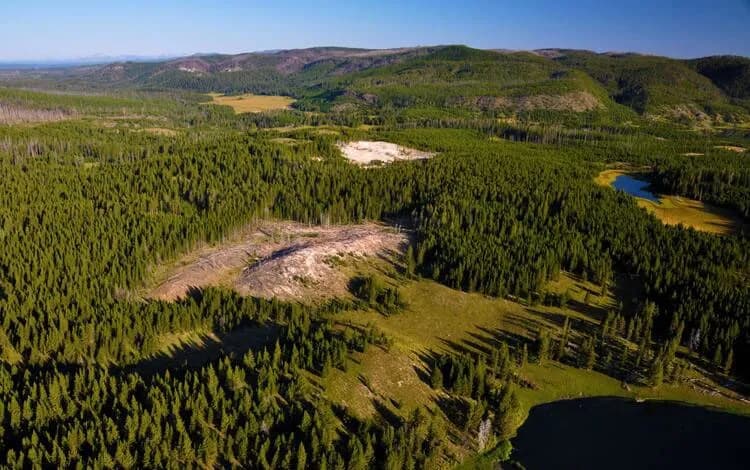
Nighttime imaging serves as an all-purpose solution for monitoring active volcanoes, changing ice environments, and wildfire hazards, Crawford said. One request turned into systematic observation for Yellowstone National Park, which has 10,000 thermal features including geysers and hot springs. After Landsat 9 launched in 2021, two satellites now image every land area every eight days. A consistent annual nighttime campaign targets active volcanoes, with a list provided by R. Greg Vaughan, remote sensing lead for Yellowstone Volcano Observatory.