

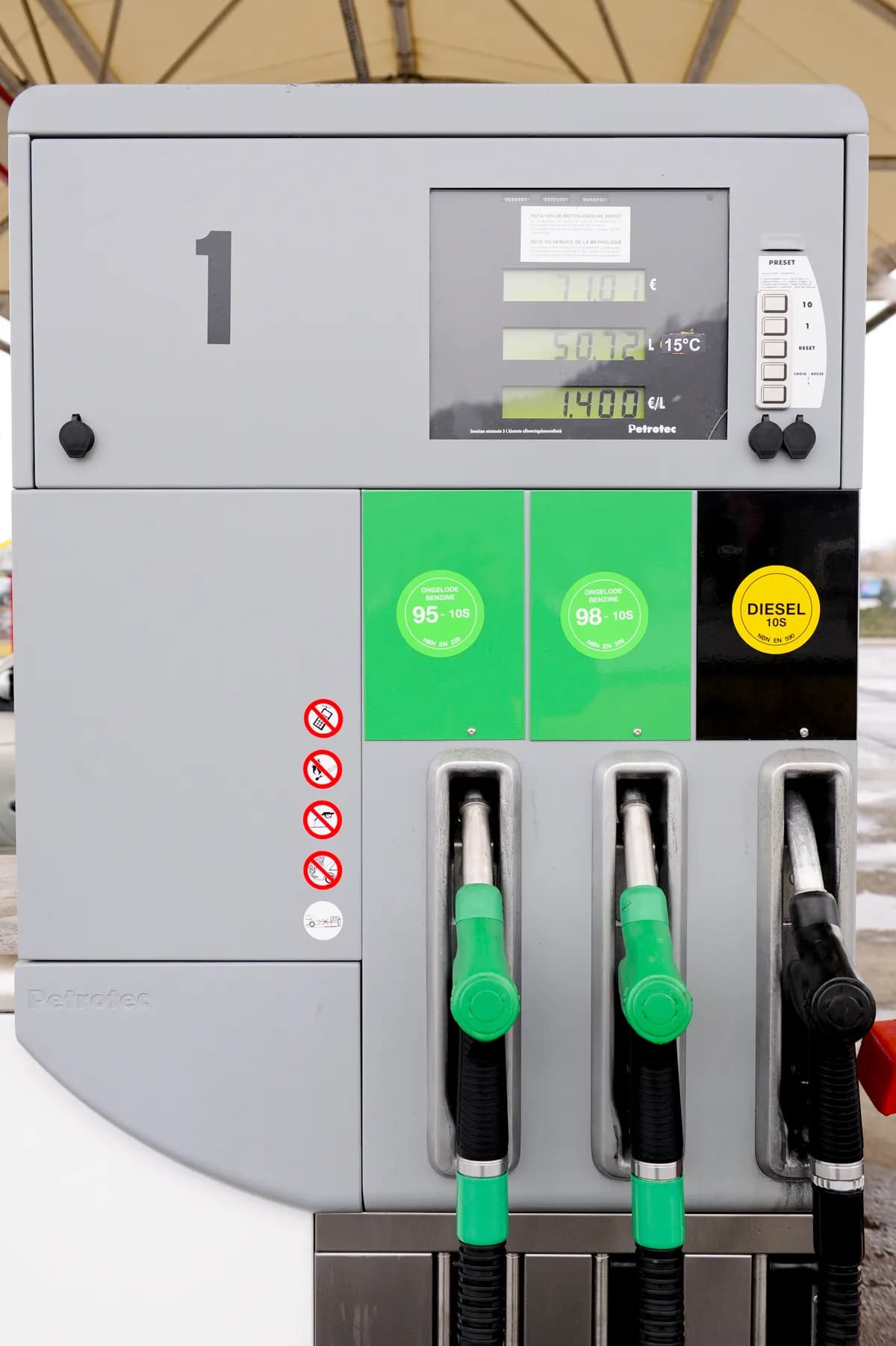
The immediate market impacts have been severe, with Brent crude rising above $110 per barrel and geopolitical tensions introducing supply risk premiums that drive volatility and price increases. Goldman Sachs revised its 2026 oil price forecast to an average of $85 per barrel, up from $77, reflecting sustained pressure. In response, the International Energy Agency coordinated a record release of 400 million barrels from strategic reserves, with IEA Executive Director Fatih Birol stating it is prepared to do so again if necessary. Oil prices and geopolitical risk premia have surged rapidly, similar to levels during the First Gulf War in 1990 and the Russia-Ukraine conflict in 2022, indicating heightened market instability.
Bangladesh faces a severe energy security threat from the LNG supply disruption through the Strait of Hormuz, as Qatar and Oman provide one-third of its LNG. The country has a daily gas demand of 4,000 mmcf and a supply below 2,700 mmcf, with LNG accounting for 800 mmcf of that supply. According to energytracker.asia, Md. Arfanul Hoque, Chairman of Petrobangla, described how the Bangladesh government reduced gas supply by 150-200 mmcf as a precautionary measure due to the Middle East conflict. This reduced supply has significantly hurt Bangladesh's RMG sector, causing production drops and export declines, exacerbating economic strain.
Globally, sustained energy price shocks could push inflation higher, tighten financial conditions, and complicate policy trade-offs, according to research. If oil reaches $125 per barrel and natural gas hits €150 per megawatt hour sustained, it could trim a percentage point off euro area real GDP and drag it into recession. In contrast, the U.S. economy is relatively robust, requiring oil at $150 per barrel and significant financial tightening to induce a recession, highlighting divergent vulnerabilities across regions.
The Saudi Arabian banking sector's stability is directly affected by oil price volatility, with research indicating a long-run statistically significant positive relationship and a short-run negative relationship between oil price shocks and bank stability and efficiency. Oil price shocks directly impact the stability and efficiency of banks in Saudi Arabia, adding financial stress in a key oil-producing nation. This volatility complicates economic management amid broader market turmoil.
Renewable energy growth offers a partial buffer against fossil fuel disruptions, as the International Renewable Energy Agency reports that more than 90% of new renewable power projects worldwide in 2024 were cheaper than fossil-fuel alternatives. China leads the world in renewables, with about one in ten cars being electric, reducing its reliance on oil imports. India has expanded clean energy but more slowly than China and faces a shortage of cooking gas due to the energy crisis, showing varied adaptation strategies.
Investment implications include greater volatility in commodities compared to traditional securities, particularly if instruments involve leverage, according to research. The S&P 500 Index, an unmanaged broad-based index that includes 500 widely held common stocks with total return figures reflecting dividend reinvestment, serves as a benchmark amid market shifts. This volatility underscores the need for cautious portfolio management in uncertain times.
Logistical constraints and supply chain vulnerabilities are emerging, with transportation, insurance, and storage constraints limiting Middle East energy export capacity and potentially increasing economic costs. Middle East conflicts can significantly impact LNG supply chains, particularly from Qatar, creating market tightness and price pressures. These bottlenecks exacerbate the global energy crunch and hinder recovery efforts.
Key unknowns remain, including what specific measures are being taken by international bodies or governments to secure the Strait of Hormuz and ensure energy flow. The duration of disruptions in the Strait of Hormuz is uncertain, affecting assessments of global energy supply and market stability. Broader impacts on global inflation and recession risks from current energy price shocks are still unfolding, with diplomatic or military efforts to de-escalate the Middle East conflict unclear.
Amid this coverage, the Financial Times offers a promotional trial of €1 for 4 weeks for digital access, according to major media reports. After the trial, the regular subscription rate is €69 per month for complete digital access to FT journalism on any device, and users can cancel anytime during the trial period. Terms and conditions apply, with plans for individuals varying by country and digital access for organizations including exclusive features and content. Users can check if they already have access via their university or organization, facilitating broader economic insight during the crisis.