

As of 12:30 pm on 1 April 2026, there are 21 confirmed cases of meningitis B in Kent, with two deaths reported. The outbreak has resulted in 15 confirmed cases and two fatalities, with an additional 12 suspected cases, thought to have originated from a Canterbury nightclub on March 5. Two people died in the Kent meningitis B outbreak earlier this month, reportedly aged between 18 and 21, with one a University of Kent student and another a year 13 pupil from Queen Elizabeth’s Grammar School in Faversham. According to the UK Health Security Agency, the number of confirmed cases in Kent is 20, with three others under investigation. This discrepancy in case numbers affects the perceived scale and severity of the outbreak, with implications for public health responses and resource allocation. Similarly, the difference in suspected case numbers—12 versus three under investigation—influences the assessment of outbreak spread and potential future confirmed cases, impacting vaccination and treatment strategies.
Meningococcal infection is a bacterial disease spread via saliva through close contact, such as coughing or kissing, and can cause serious illness like meningitis and sepsis. The infection progresses quickly, and early medical care is crucial for symptoms like high fever, severe headache, neck stiffness, or non-blanching rashes. Common signs of meningitis include sudden severe headache, neck stiffness, fever, photophobia, malaise, and vomiting, with bacterial meningitis potentially leading to sepsis and organ failure within hours. Early symptoms of meningitis include flu-like illnesses such as headache, fever, muscle aches, and lethargy, while later symptoms include confusion and a non-blanching rash.
In the UK, parents have been urged to be attentive to skin rashes and informed about the 'glass test' for suspected meningococcal disease. The 'glass test' involves pressing a transparent glass against a skin rash to see if it pales or disappears; if it does not, it may indicate meningococcal disease. Sensitivity to light (photophobia) can be a symptom of meningitis, caused by inflammation affecting nerves.
Recent tragic cases highlight the vulnerability of young adults to meningitis B. Alfie Mullans, 18, died from meningitis B in June 2023 after going to bed with a headache and waking with a blotch on his chest. Meg Draper, 18, died from meningitis B while studying at the University of Bournemouth in October 2025. Aaron Mills, 18, died from meningitis B on January 3 after mild cold-like symptoms, while studying at university in Liverpool.
Historical cases show the devastating long-term consequences of the disease. Danielle Nicholls' 18-month-old daughter Cici died from meningococcal septicaemia caused by meningitis B in 2012 during a family holiday in Lanzarote. A person contracted meningitis B in November 2018 at the University of Southampton, resulting in meningococcal septicaemia, organ failure, and amputations of legs and hands, with a later hand transplant. Ketia Moponda, 20, lost both legs and all ten fingers to meningococcal septicaemia from meningitis after falling ill at De Montfort University in September 2024.
Current patients face serious medical situations. Kaitlyn Spearman, 27, was diagnosed with meningitis B after a week-long headache and a sudden purple rash, and is in serious condition in hospital. Kaitlyn Spearman's family, including her children, have been given preventative antibiotics. Keeleigh Goodwin is recovering in hospital from meningitis after collapsing in her flat. It is believed Keeleigh Goodwin caught the illness at Club Chemistry, the Canterbury nightclub where the outbreak is thought to have originated.
Vaccine gaps and policy limitations have left many unprotected. There was no public vaccine for the meningitis B strain that killed Cici in 2012; it was introduced in 2015. The MenB vaccine was introduced on the NHS for babies in 2015, so most young people born before then are unprotected unless vaccinated privately. Meg Draper had been vaccinated against meningitis strains A, C, W, and Y but not MenB, as it is only offered to young children born after 2015. The UK Health Security Agency stated that neither the MenB vaccine for infants nor the MenACWY vaccine for teenagers protects against all meningococcal strains or all infections that cause meningitis.
Public response and advocacy efforts have intensified. Marissa Mullans has launched a petition for a meningitis B awareness campaign in schools and for the vaccine to be made available to all teenagers. The UK government has asked the Joint Committee on Vaccination and Immunisation to reexamine eligibility for meningitis vaccines for teenagers and young adults. Across the country, worried parents and students have been trying to get the meningitis vaccine privately.
Swedish expert involvement has provided international insights. Jonas F Ludvigsson contacted leading experts and arranged a webinar with the Swedish Medical Association after learning about the meningococcal disease outbreak in England. During the webinar, it was recommended that children traveling to affected areas in England consider getting a travel vaccine, especially for longer stays.
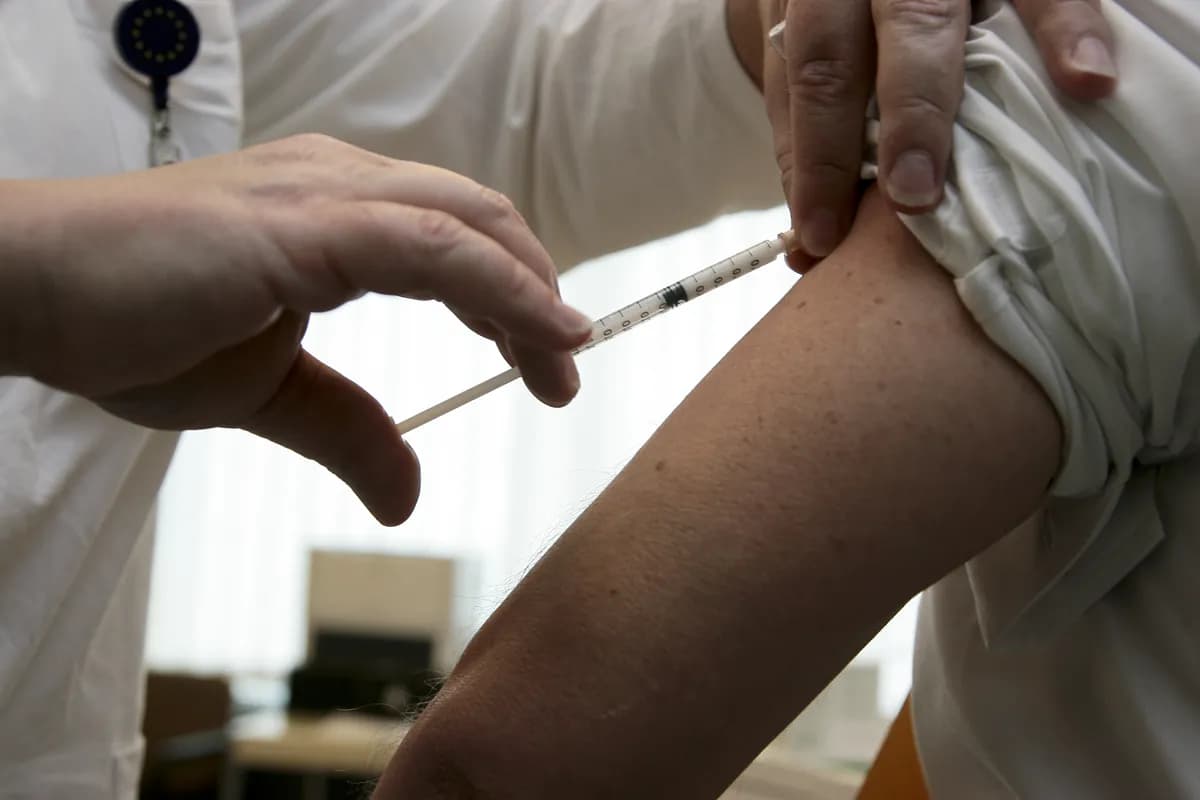
Official outbreak response measures include targeted vaccination programs. A targeted vaccination programme has been announced at the University of Kent. About 5,000 students in university halls in Kent are to be offered the meningitis B vaccine. Health officials have confirmed vaccinations will start on Wednesday. More than 10,600 people have been vaccinated since the Kent outbreak, with the programme extended to 15 and 16-year-olds at four schools as a precaution.
The UK Health Security Agency declared a national incident on Sunday to help ensure supplies of antibiotics. The national incident is not a sign that the outbreak is spreading beyond Kent; it is an operational tool to allow authorities to flex national resources. Hundreds of people are being offered antibiotics as an immediate treatment for meningitis.
Schools and universities have been significantly impacted. Ranya, a 21-year-old student at Kent University, was hospitalised for two days with suspected meningitis, experiencing severe neck pains, headaches, and light sensitivity. Five schools in the county have confirmed or suspected cases of meningitis.
Health chiefs have described the outbreak as unprecedented. An outbreak of meningitis in the Canterbury area is unprecedented, according to health chiefs. The number of confirmed cases of invasive meningitis in the Canterbury area stands at 15.
Several key unknowns remain about the outbreak. The exact origin of the initial infection in the Kent meningitis outbreak is not confirmed. The total number of confirmed and suspected cases in the Kent outbreak is inconsistent across sources. The availability and distribution of the meningitis vaccine in private pharmacies and the NHS during the outbreak are unclear. The long-term health outcomes for current patients like Kaitlyn Spearman and Keeleigh Goodwin are not reported. The effectiveness and timeline of the targeted vaccination programme at the University of Kent and other schools are not detailed.