

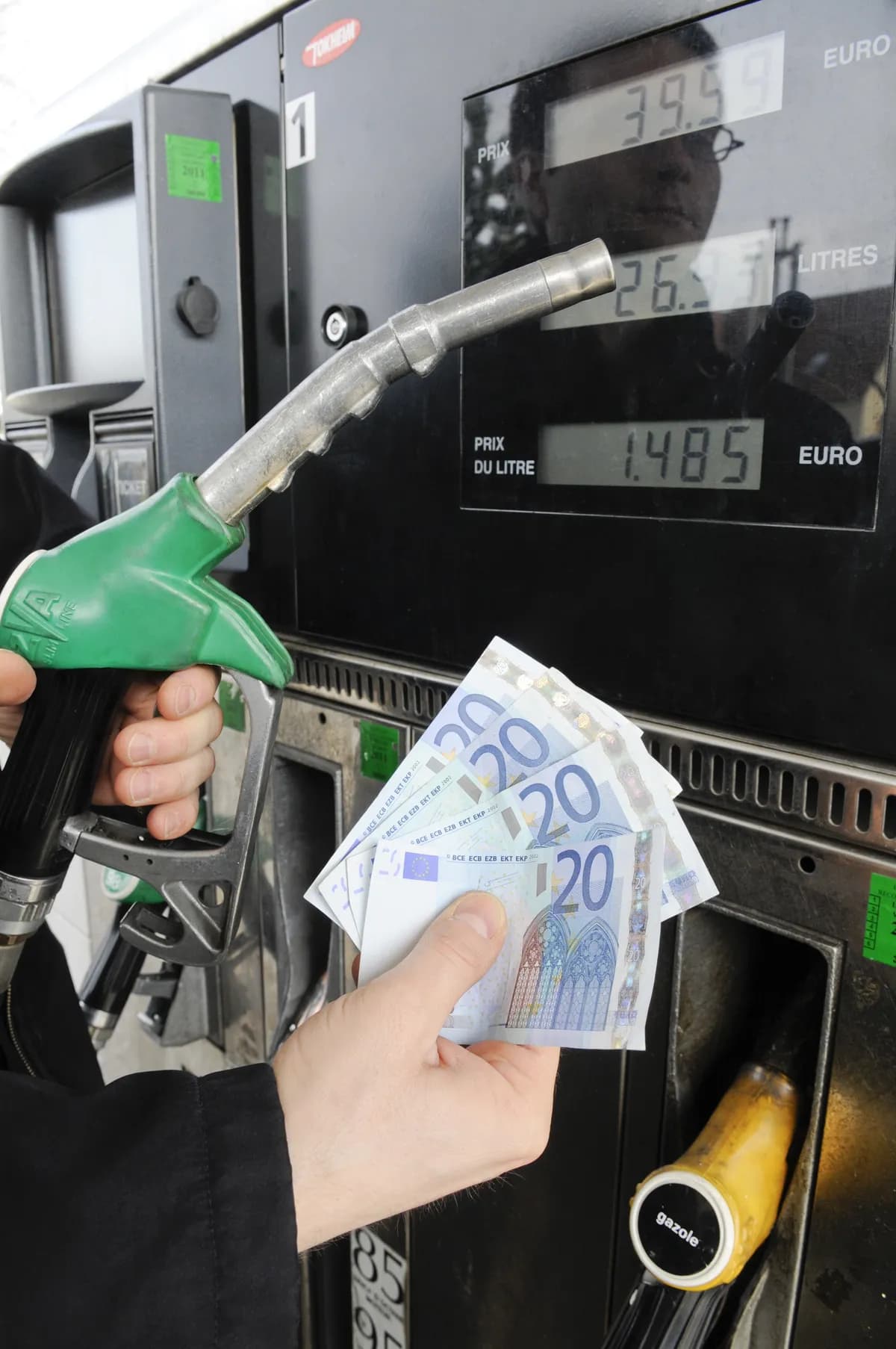
Jet fuel prices have surged dramatically in recent weeks, driven by the escalating conflict between the US, Israel, and Iran, which has disrupted supplies from the Gulf region. According to multiple reports, prices have risen from approximately $85 to $90 per barrel to between $150 and $200 per barrel. This spike has created what experts describe as a 'toxic cocktail' of fuel price hikes and shortages that could affect summer holidays. James Noel-Beswick of Sparta Commodities warned that a physical shortage of jet fuel could lead to flight cancellations within weeks.
Airlines are responding by canceling thousands of flights and raising ticket prices, according to multiple reports. Consumers have the right to a full refund within seven days if a flight is canceled, regardless of the reason, as confirmed by Juha Beurling-Pomoell of Kuluttajaliitto. Travel insurance also covers cancellations due to fuel shortages, according to multiple reports. KLM said on April 16 it would cancel 160 flights in Europe in the coming month due to rising fuel costs. Another airline said on April 7 it would slash flights through May.
However, some travel experts downplay the immediate impact. Tim Jeans, former Ryanair commercial director, said there is no need for concern and that summer travel plans will largely go ahead. Some airlines are well hedged against fuel price increases and will not be immediately affected, according to an EasyJet spokesperson and Ryanair CEO Michael O'Leary. This hedging provides a buffer against the current price surge, but the duration of the conflict remains uncertain.
The European Union has warned that summer flight tickets could become 'really, really expensive' and that the trend may last years, according to the EU energy commissioner. Fuel can constitute up to a quarter of operating expenses for airlines, making them highly sensitive to price changes. The combination of high fuel costs and potential supply disruptions could lead to sustained higher fares.
Flight cancellations will begin 'soon' if the Strait of Hormuz remains closed.
Specific airlines have taken various actions. A Greek airline expects suspended Middle East flights and a spike in fuel prices to have a 'notable impact' on its first-quarter results, according to the airline. A Malaysian airline cut 10% of flights across the group and imposed a surcharge of about 20% on fuel, as reported by the airline's executives. An airline group planned to increase long-haul ticket prices by 50 euros ($58) per round trip. An Indian carrier said it would revise its fuel surcharge from a flat domestic surcharge to a distance-based grid.
In Nigeria, airlines temporarily suspended a planned nationwide shutdown after government intervention. The Airline Operators of Nigeria (AON) had warned they would halt services from April 20 due to surging jet fuel costs. The suspension is conditional on the outcome of a meeting scheduled for April 22. Airlines also urged government agencies and service providers to cease requesting upfront payments.
Europe's jet fuel supply is a growing concern. Research indicates that Europe only has around six weeks of jet fuel supply left. Fatih Birol, head of the International Energy Agency (IEA), said flight cancellations will begin 'soon' if the Strait of Hormuz remains closed. The strait is a critical chokepoint for oil and fuel shipments from the Gulf, and its closure could exacerbate supply shortages.
There are contradictions regarding the risk of flight cancellations. Some experts argue that flights will not be canceled due to fuel unavailability, only schedule trimming. However, James Noel-Beswick warns that a physical shortage could lead to cancellations within weeks. Similarly, while some airlines like Ryanair and EasyJet are hedged and may not raise fares, the EU warns that overall ticket prices could become 'really, really expensive' and the trend may last years. These uncertainties affect consumer confidence: if cancellations are unlikely, travelers can book with less worry; if shortages are imminent, they may face disruptions.
Several unknowns remain. It is unclear how long the Strait of Hormuz will remain closed or disrupted. The exact current jet fuel price and how quickly it is changing are not precisely known. Which specific airlines have already canceled flights due to fuel costs, and how many flights, is also uncertain. Whether the Nigerian airlines' shutdown will proceed after the April 22 meeting is yet to be determined. Finally, the actual jet fuel supply level in Europe and how many weeks of supply remain are not fully confirmed.