

The Australian economy is showing early signs of stagflation, with soaring oil prices and the Reserve Bank's interest rate rises increasing business costs and driving consumer confidence to its lowest level on record. The ANZ-Roy Morgan weekly measure of consumer sentiment dropped 5.4 points over the past seven days, falling 20% since the conflict began, to its lowest level since 1973. The Westpac-Melbourne Institute sentiment index recorded its sharpest monthly decline since the onset of the pandemic, indicating a severe consumer pullback.
Globally, the war in the Middle East is upending lives and livelihoods in the region and beyond, dimming the outlook for many economies. Energy is the main transmission channel for the war's economic impact, with the closure of the Strait of Hormuz causing the largest disruption in global oil market history according to the International Energy Agency. The ongoing war has resulted in the Strait of Hormuz being effectively closed, creating a severe supply bottleneck.
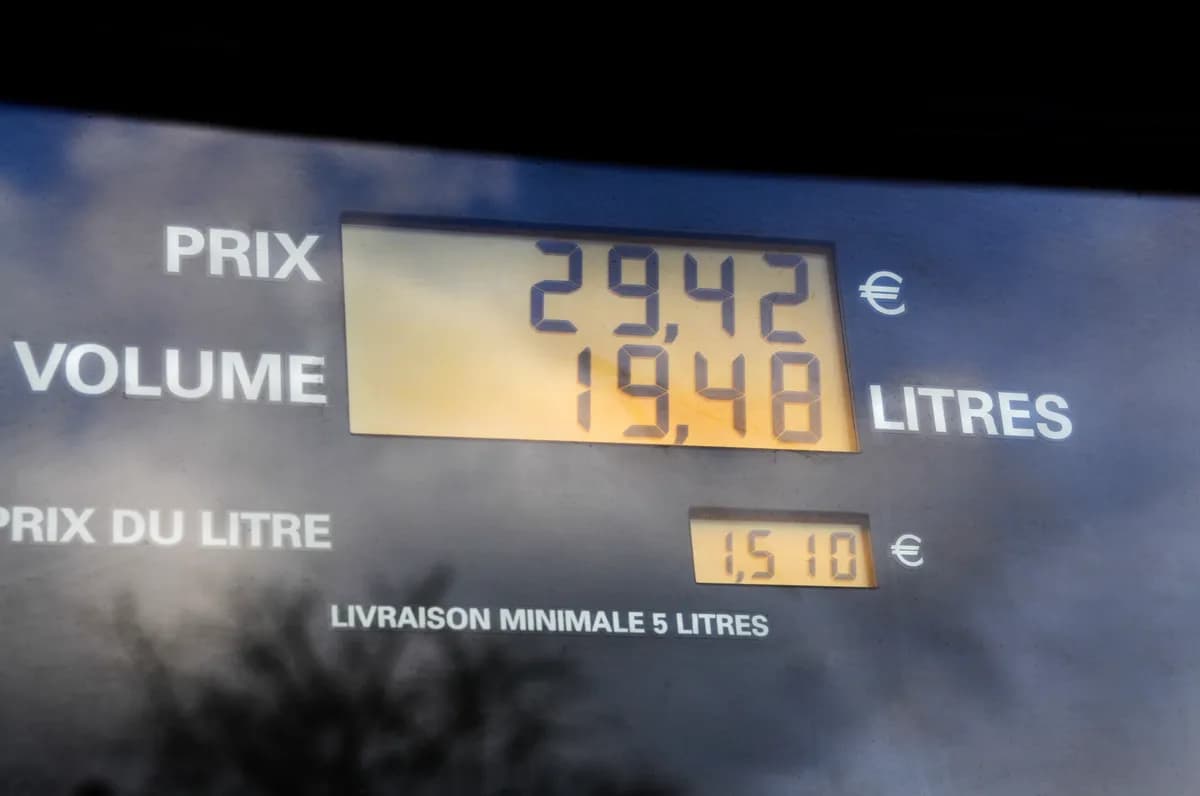
Oil prices have risen sharply to around $90 per barrel from around $67 per barrel last week, reflecting the huge volatility triggered by the Iran war. In Australia, the average petrol price at the pump has spiked to $1.69 per litre from $1.56 per litre prior, directly impacting household budgets. This immediate market impact is transmitting economic strain across fuel-importing nations.
The Strait of Hormuz is a critical chokepoint, with about 25 to 30 percent of global oil and 20 percent of liquefied natural gas passing through it. Around one fifth of global oil supplies transit the Strait of Hormuz each day, with few alternative export routes. Alternative shipping routes are not yet equipped to quickly replace the volume of supply passing through the strait, which is currently effectively shut. A prolonged halt to shipments through the strait would pose a significant risk to global supply.
The economic shock is global but asymmetric, with energy importers, poorer countries, and those with meager buffers more exposed. Large energy importers in Asia and Europe are bearing the brunt of higher fuel and input costs due to disruptions in the Strait of Hormuz. Economies heavily dependent on oil imports in Africa and Asia are finding it increasingly hard to access supplies, even at inflated prices. Parts of the Middle East, Africa, Asia-Pacific, and Latin America face higher food and fertilizer prices and tighter financial conditions, with low-income countries especially at risk of food insecurity and potentially needing more external support.
For fuel-importing economies, the effect is like a large, sudden tax on income. Energy-importing economies in Africa, the Middle East, and Latin America are feeling strain from higher import bills on top of limited fiscal space and external buffers. In Asia's large manufacturing economies, higher fuel and power bills are raising production costs and squeezing people's incomes, compounding existing financial pressures.
In Australia, households are adjusting behavior in response to these pressures. Australians are choosing cheaper dining options like chicken schnitzel over rib-eye steak, avoiding entrees, and sticking with tap water rather than wine when dining out. Households are stocking up on long-life pantry staples over fears food prices will rise and shortages could occur. Reduced spending on dining out is about 'cautious consumption', where people shift into risk-averse behavior due to future concerns even if they can afford more.
This cautious consumption follows pre-existing financial strains. Some people were already struggling before the surge in petrol prices and interest rate hikes pushed them into financial distress. The trend of people paring spending on dining out has been confirmed by multiple surveys and data sources. Households were already facing reigniting inflation and rising mortgage rates heading into March when petrol prices started to climb.
Business indicators reinforce the stagflation fears. The number of people who believe it is a good time to buy a large household item is in freefall. The S&P Global manufacturing index for Australia dropped into contractionary territory, with private output falling for the first time since end of 2023, and businesses lifted prices at their fastest pace in more than two and a half years. Treasury modelling shows that if oil remains above $US100 a barrel through the first half of this year, inflation could spike above 5%; if above $US120, inflation could climb above 5.5% and 'scar' the economy until at least 2027.
Militarily, broad-based strikes on Iranian targets aim for regime change, including an assassination of Supreme Leader Khamenei and other officials. Iran has launched drones and ballistic missiles at US military bases in Kuwait, Qatar, Saudi Arabia, and the UAE in retaliation. President Trump indicated he was willing to fight for several more weeks using larger strikes, while the Iranian leadership remained defiant.
Financial markets have reacted sharply to the heightened risks. Markets have pushed back expectations for a Fed rate cut to September from July, and futures bets have switched to a hike from a cut in the ECB rate in the next twelve months. Longer-term bond yields have risen, with the US 10-year increasing to 4.1% from 3.9% last Friday. The base case is for Trump to find a way to declare victory before significant energy disruption and higher inflation expectations become entrenched, due to voter concerns about inflation and midterm elections.
Internationally, governments are mobilizing responses. The International Energy Agency proposed a collective release of 400 million barrels of oil from emergency reserves on 10 March, approved by all member countries on 11 March. The Swedish Energy Agency holds responsibility for Sweden's emergency reserves of oil and fuel, including determining storage obligations and oversight. Stock releases are not carried out in response to high fuel prices alone, but when there is an interruption, shortage, or credible risk of one, with the Swedish Government deciding upon a release of the Swedish national reserves.
Key unknowns persist, including the duration of the conflict, the extent of disruptions in the Strait of Hormuz, and outages at key energy infrastructure. Prolonged escalation could cause energy price spikes to spill over into core economic indicators like inflation, interest rates, trade balances, and GDP growth. The exact trajectory of oil prices and the full global economic fallout remain uncertain.
Potential scenarios are concerning. Rising oil prices, if persisted, could lead to global 'stagflation' through higher commodity prices, supply disruption, reduced demand, and delayed investments. Oil could rise to $150 per barrel in case of a prolonged war. Global energy markets dependent on imported fossil fuels are at the mercy of global commodity markets due to the Middle East crisis, and all countries face the indirect threat of higher costs driven by tighter fossil fuel markets and elevated geopolitical risk premiums.
Regionally, impacts vary. Around a quarter of global oil supply passes through the Strait of Hormuz, with the bulk going to China (33%), India (14%), Japan (12%), South Korea (10%), and Europe (7%). Most crude oil and oil products leaving the Strait of Hormuz are destined for Asia. For Sweden and European buyers, the short-term impact is expected to be higher prices rather than supply shortages, driven by geopolitical uncertainty and competition for cargoes. There is no indication of an immediate risk of physical shortages in Sweden, and the Swedish Energy Agency is in ongoing contact with authorities and industry to coordinate Sweden's energy and fuel supply preparedness.
The broader context highlights the war's extensive damage. The war has caused serious disruption to the economies of the most directly affected countries, damaging infrastructure and industries, negatively affecting short-term growth prospects. All roads lead to higher prices and slower growth due to the war, with outcomes depending on conflict duration, spread, and damage. The speed of consumer response to economic uncertainty has been unusual. Households have adjusted budgets to pay for rising fuel prices and elevated energy bills by spending less on other things. Iran accounts for less than 5% of global oil production, and other countries have spare capacity to offset this supply loss, but the chokepoint closure remains the primary disruption.