

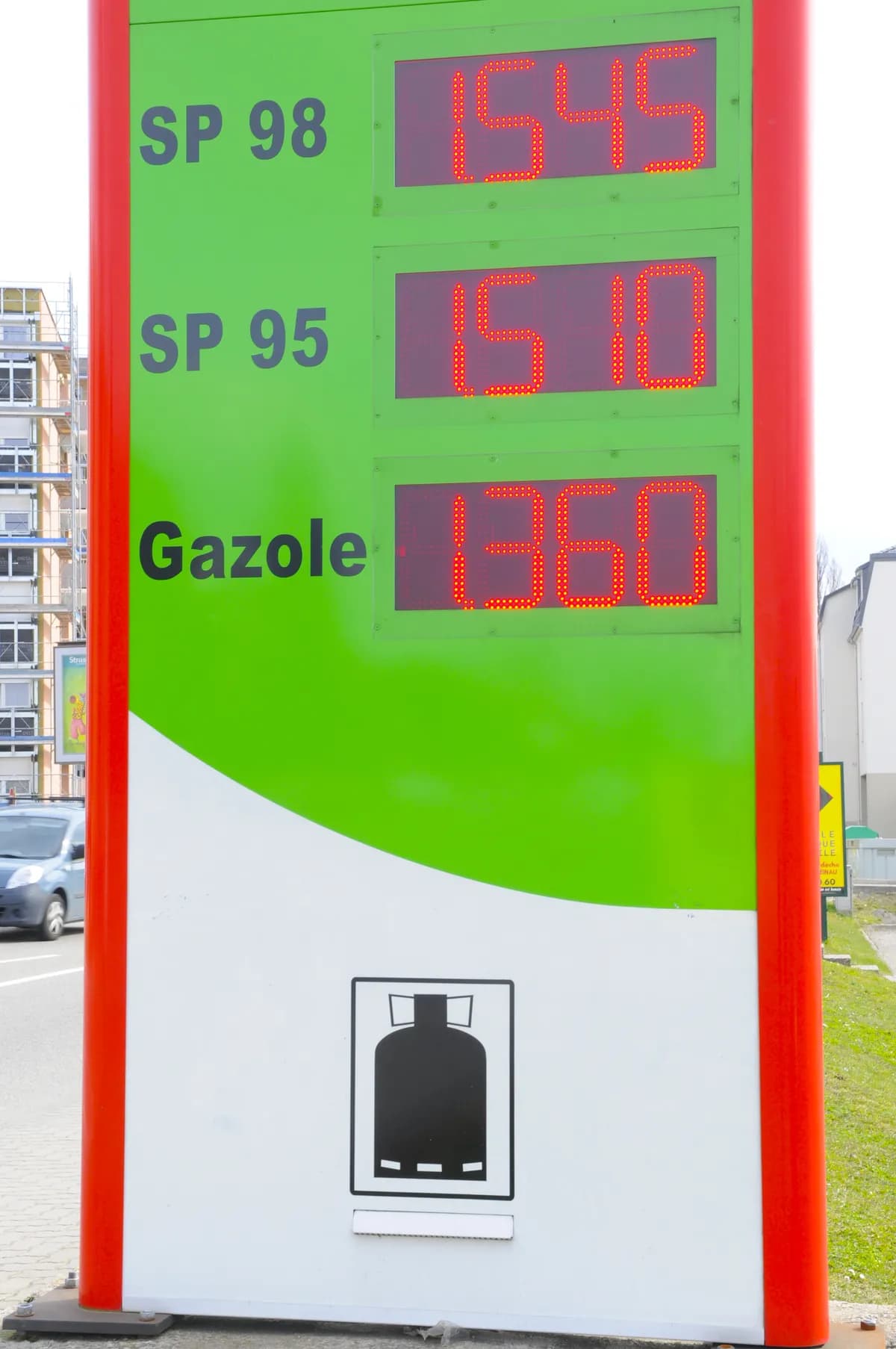
Multiple reports indicate the war in Iran has caused fuel prices to rise. In the UK, RAC figures show the average price of petrol has increased by almost 12% since the first attacks on Iran on February 28, with the cost of a litre jumping by almost 16p to 148.6p. Diesel has surged more dramatically to a three-year spike, up 22% in less than four weeks, with 31.5p added to the average price, which on Tuesday peaked at 173.8p. The RAC Foundation estimates drivers have spent an additional £307 million on fuel since February 28 compared to if prices had remained at pre-war levels.
The price of Brent Crude rose above $108.95 a barrel on Thursday, after US President Donald Trump reiterated threats to hit Iran 'extremely hard' in the coming weeks. This marks a sharp increase from about $72 a barrel on 27 February, the day before the war started. A litre of diesel cost 179.9p on Sunday on average – up more than 35p since the Iran war started and 25p higher than petrol, according to the RAC. The RAC Foundation notes the current disparity between petrol and diesel prices is the worst since at least 2003. The UK imports the vast majority of diesel, leaving it more exposed to price shocks, while most petrol is refined domestically.
European drivers face paying an extra €220 (£190) a year at the pumps because of the surge in oil prices caused by the war in Iran, according to the Transport & Environment (T&E) thinktank. In the UK, analysts at the Energy and Climate Intelligence Unit (ECIU) estimate that $100 a barrel oil means British drivers who do 8,000 miles a year face a jump in annual fuel costs of £140. Electric vehicles are already significantly cheaper to fuel than petrol or diesel vehicles, with the annual saving in the UK already £870 a year but would jump to more than £1,000 a year with a $100 oil price.
The war in Iran is threatening to increase the cost of filling potholes due to rising prices of oil-based bitumen. The war is also pushing up the 'cost of dying' as higher gas prices feed through to funerals, with the average cost of a funeral in Britain up 1.3% since January. The average cremation is now £4,293 – up 1.4% on January’s figure, while the average burial is up by 1% to £6,129.
Fuel retailers have rejected claims that they have been profiteering. The government has said it is monitoring fuel retailers to ensure they do not 'profiteer' from the Iran war by hiking prices more than necessary. Retailer margins on diesel have fallen into the negative due to a more prominent acceleration in the wholesale cost of the fuel, and fuel supplies remain stable.
The blockage of the Strait of Hormuz since the outbreak of the Iran war has sent petrol and diesel prices soaring. It remains unclear how long the surge in fuel prices due to the Iran war will last, or whether the UK government will take additional measures, such as delaying the fuel duty rise, to mitigate the impact on consumers. The full extent of the impact on other sectors beyond fuel, such as broader inflation and consumer goods, is also not yet known.